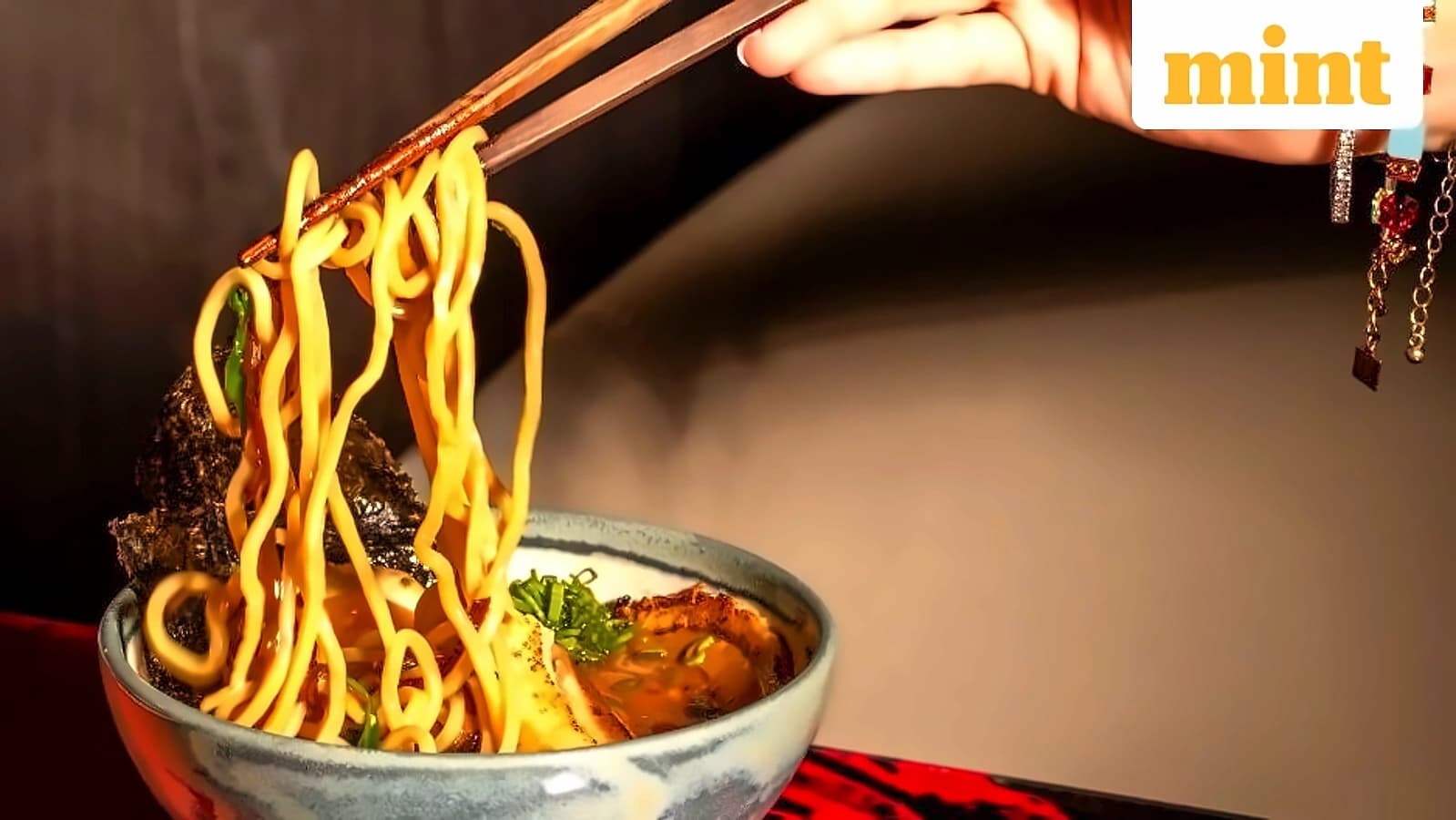
The self-service ramyun bar trend is gaining significant traction in India, with Chennai-based Myeon Hub requiring an investment of approximately ₹20 lakh to establish operations. According to reports from Mint, this represents a substantial reduction compared to traditional restaurant formats that require larger kitchens, extensive food-preparation infrastructure and specialized staff. The format addresses the gap between packaged convenience and restaurant customization, offering quick, affordable and authentic Korean noodles without requiring full-service restaurant operations.
Earlier this year, Nongshim Co. Ltd, one of South Korea's largest noodle makers, partnered with Reliance Retail's Freshpik to launch a self-service ramyun bar in India. As reported by Mint, Udit Jain, director at Rama Vision Ltd, the official distributor of Nongshim in India, stated that the country remains an important growth market with focus on building consumer awareness and encouraging trial. The trend is also spawning standalone businesses, with operators seeking lower-cost ways to drive footfall and create a niche between quick-service restaurants and speciality Korean eateries.
According to Mint reports, Gimi Michi, a Gurugram-based startup, recently raised $1 million in seed funding led by IndiaQuotient to expand its Korean food portfolio. The company claims to have crossed ₹1 crore in monthly net sales and is growing approximately 60% month-on-month. Wow! Momo founder Sagar Daryani reported that the Korean range generates around ₹1 crore in monthly sales from instant noodles, while the company's overall noodle business contributes roughly ₹2 crore monthly. Korean noodles accounted for 34% of noodle sales on Blinkit across major Indian cities in 2024, with adoption particularly strong in smaller markets including 45% in Kochi, 44% in Dehradun and 41% in Ludhiana.
As reported by Mint, the customer base for Korean food has expanded beyond K-pop and K-drama fans to include students, young professionals, families and mainstream diners seeking affordable meal options. Dhruv Kohli, founder of Boba Bhai, noted that what began with K-pop and Korean entertainment is now influencing everyday food choices, with particularly strong traction among Gen Z consumers and young professionals. The format allows customers to customize and cook their noodles in-store, turning a simple at-home convenience food into a fine dining experience that requires lower investment and leaner staffing for restaurant operators.