Kia India has officially announced a price revision of up to 2% across its entire vehicle line-up, with the updated pricing structure scheduled to come into effect from July 1, 2026. According to the latest reports, this price adjustment has been necessitated by continuously rising input costs alongside an overall increase in operational expenditure. The South Korean automaker emphasised its ongoing commitment to providing customers with premium products and a high-quality ownership experience, while confirming that the price hike will vary depending on the individual model and variant chosen. The manufacturer has endeavoured to keep the price hike to a minimum by absorbing a significant proportion of the escalating cost pressures internally, ensuring that the core value proposition of each vehicle in its domestic portfolio is maintained. Customers planning to purchase a Kia vehicle can still avail current prices until the end of June 2026 before the revised pricing structure takes effect.
The price increase will vary based on the model and variants, with Kia India's comprehensive lineup including Sonet, Syros, Seltos, Carens, Carens Clavis, Carens Clavis EV, Carnival, EV6, and EV9. The EV6 and EV9 are positioned at the top of the lineup among these models. The manufacturer stated that the brand has absorbed maximum cost growth while passing on a minimum cost to the customer through the price increase, ensuring that the impact on consumers remains manageable despite the challenging cost environment. The exact quantum of the price increase will vary depending on the individual model and variant chosen, with the company maintaining its commitment to preserving the core value proposition of each vehicle in its domestic portfolio. The revision will apply across Kia's current portfolio, which includes models such as Sonet, Syros, Seltos, Carens Clavis, Carnival and EV6.
The development coincides with increased pressure on the automobile industry due to persistent currency instability and growing input costs, as reported by Essential Business Intelligence, ETAuto, NDTV, and Zee News. Several Indian automakers have recently started changing their prices in response to these challenges. Other automakers that have increased automobile pricing include Tata Motors, BMW India, Mercedes-Benz, Maruti Suzuki, Hyundai Motor India, and Nissan Motor India. Notably, Maruti Suzuki announced a price rise of up to ₹30,000 for all of its models, which will take effect on June 1. Tata Motors has also announced a price hike of up to 2.5% across its commercial vehicle portfolio, effective from July 1, 2026, citing rising commodity prices and higher input costs. The simultaneous price increases across multiple manufacturers reflect the industry-wide impact of rising operational costs and currency volatility on automotive operations. Like several other automakers operating in India, Kia has been facing higher commodity and logistics costs, making the price revision necessary to offset increasing costs of raw materials, components and logistics.

Despite the price increase announcement, Kia India continues to demonstrate robust sales performance with monthly sales of about 27,000–29,000 units in recent months. According to ETAuto, the company reported 27,286 units in April and 29,112 units in March. This strong sales momentum reflects the South Korean brand's successful market penetration strategy and expanding portfolio in India's competitive automotive landscape. The consistent sales figures demonstrate the resilience of Kia's product offerings despite the challenging operating environment and the upcoming price adjustments.
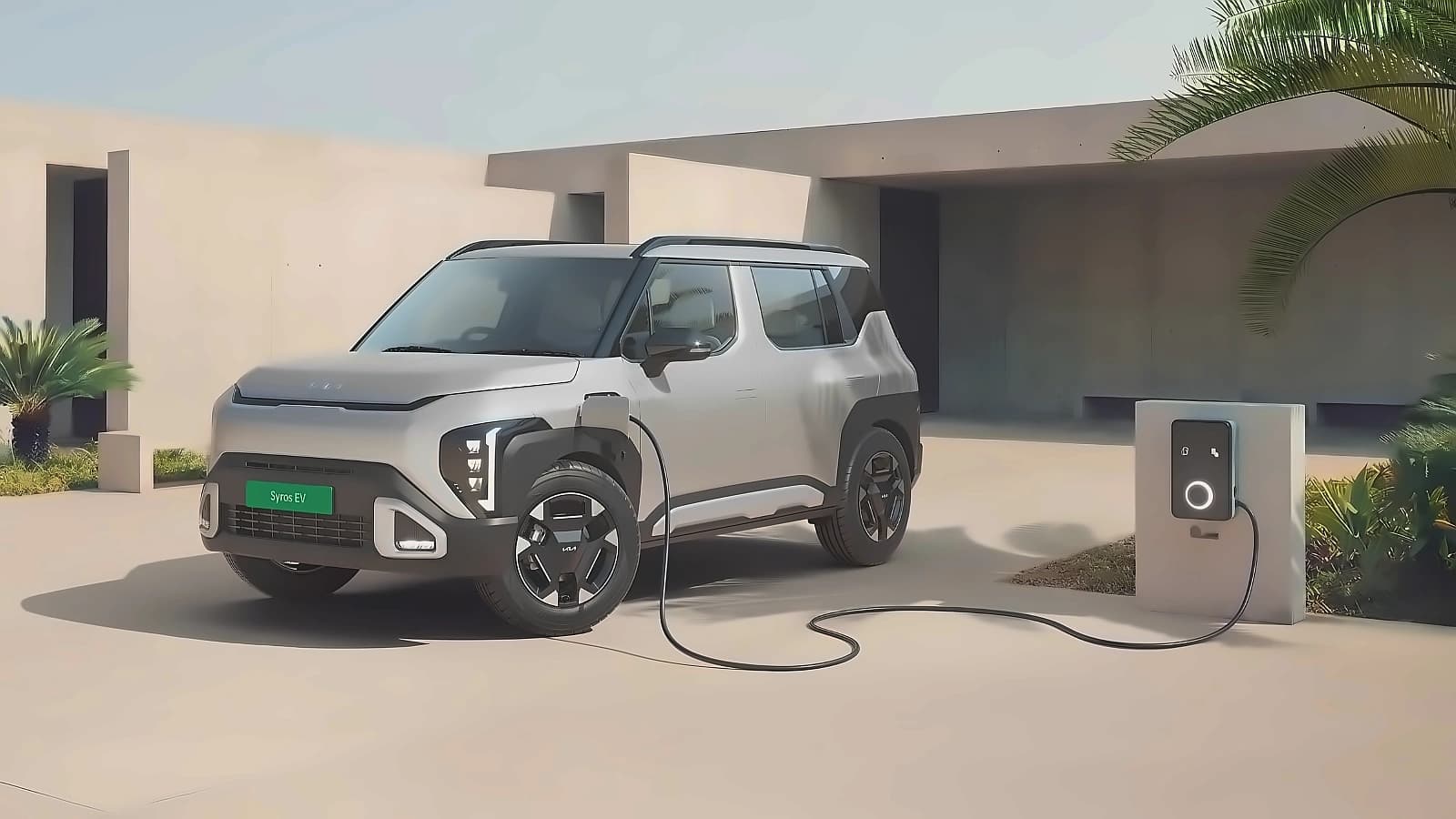
To increase their market share in the country, Kia India has been working on multiple products in the pipeline, with some expected to launch in the coming months and others in 2027. The company is working on their second electric offering and their first electric SUV in the form of Syros EV, which is expected to launch some time around August 2026. Additionally, the next generation Kia Sonet has been spied testing with recent test mule sightings, though the launch might not be in the immediate vicinity and might come with larger touchscreens on the inside, front and rear ventilated seats and other features. Kia India is also keen on bringing Sorento Hybrid and are expected to locally manufacture it, instead of taking the CKD route. The Sorento will be Kia's first Hybrid offering for Indian market and will be the brand's flagship ICE SUV, taking on immediate rivals like Jeep Meridian, VW Tayron R Line, Skoda Kodiaq and others, with price-wise some variants locking horns with traditional ladder-frame SUVs like Toyota Fortuner and MG Majestor.