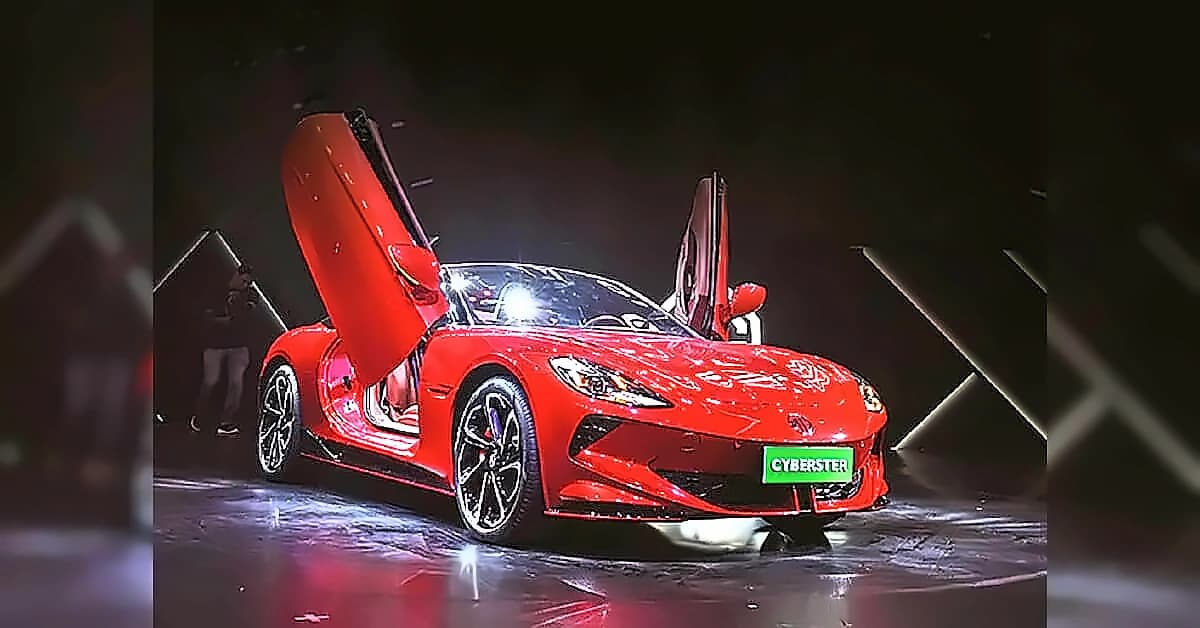
JSW MG Motor has maintained its position at the top of the Fada Dealer Satisfaction Study for the fourth consecutive year, according to the latest industry rankings announced on September 1, 2026. The company's consistent performance demonstrates strong dealer relationships and operational excellence in the competitive four-wheeler mass segment. As reported by Business Standard, Toyota Kirloskar Motor and Kia recorded the strongest year-on-year gains in satisfaction scores among ranked original equipment manufacturers, indicating improving performance across the industry.
The 2026 study shows JSW MG Motor India leading with 865 points, followed by Mahindra & Mahindra at 853 points and Tata Motors at 836 points in the mass-market four-wheeler segment. According to the study conducted by FADA in association with Singapore-based consulting firm PremonAsia, these rankings reflect the stability of dealer satisfaction levels across major automotive manufacturers in the Indian market. The segment average moved up by 39 points to 810, indicating notable improvement in overall dealer sentiment across the four-wheeler mass-market segment. The study received 2,045 valid dealer responses collected during July and August 2026, covering around 60 attributes across six factors with scores out of 1,000. The study shows a massive 268-point difference between JSW MG and Renault, highlighting the clear gap between top and bottom performers. Renault India was last among ranked brands at 597 points, marking the widest gap between top and bottom car brands in 2026.
The study reveals significant shifts in automotive manufacturer rankings over the past four years. Hyundai dropped from first place in 2022 to sixth position in 2026, while Maruti Suzuki fell from second position in 2022 to seventh place in the current rankings. Renault India maintained its position at eighth place throughout the study period. Kia stood fourth with 812 points, while Toyota scored 778 points and took fifth position, recording the strongest year-on-year gains among ranked automakers. Royal Enfield topped the two-wheeler segment with 878 points, followed by Hero MotoCorp with 873 points, with Bajaj Auto scoring the lowest among six ranked bike brands at 570 points, creating a massive 308-point difference between the top and bottom performers in the bike segment. VinFast Auto led electric four-wheelers with 858 points, and Ather Energy led pure-electric two-wheelers with 864 points. As reported by Business Standard, Honda Cars was not ranked in 2026 due to low sample size, indicating varying levels of dealer engagement across different manufacturers.
The 2026 study marked a significant expansion by broadening its analytical framework to include the Tractor and Wheeled Construction Equipment sectors for the first time. The Tractor segment recorded a satisfaction index of 784, while the 4-Wheeler Luxury category posted an index of 758. The Commercial Vehicle segment witnessed a shift in leadership, with Tata Motors CV ascending to the top spot with 800 points, narrowly edging out Ashok Leyland at 795 points. BMW in the 4-Wheeler Luxury segment and Mahindra's Swaraj Division in tractors secured pole positions in their respective categories. VECV-Eicher demonstrated strong improvement in the CV space, while Royal Enfield retained its top ranking in the Two-Wheeler category with 878 index points, closely pursued by Hero MotoCorp. The Two-Wheeler segment improved by 35 points to 827, while the commercial vehicle segment recorded an average score of 782. BMW India topped the luxury car category at 779 points, 21 points above its 758 category average, though no other luxury car scores were provided for comparison.
According to the Fada Dealer Satisfaction Study, product portfolio, reliability and regular product updates remain key strengths in the four-wheeler mass segment, supported by effective sales team training and warranty processes. FADA President Sai Giridhar noted that product quality, reliability and model range remain strong areas for the industry, while emphasizing that greater attention is now needed on dealer viability, including sustainable margins, inventory management, vehicle buyback policies and sharing of training costs. PremonAsia Director Rahul Sharma highlighted that while product remains the strongest pillar of dealer satisfaction, after-sales, sales and order planning, and business viability and policy are now becoming increasingly important. The study shows that dealers increasingly face economic and operational pressures including inventory management, stock carrying costs, parts availability, and delivery timelines. PremonAsia Director and COO Rahul Sharma said, "The Overall Dealer Satisfaction Index has moved up 29 points over 2025. Changing importance of factors influencing dealer satisfaction displays the dynamic nature of Industry. While Product remains the strongest pillar, After-Sales, Sales & Order Planning and Business Viability & Policy together account for nearly two thirds of dealer mind space."
The study's "Voice of Dealer" findings identified profitability and margins as the most frequently repeated improvement request, followed by product and EV transition, OEM relationship, inventory and stock, and dealer rights and policy. In the 4W mass-market segment, dealers raised concerns around inventory and deadstock, stock carrying costs, parts availability and delivery turnaround times. For commercial vehicle dealers, service economics emerged as a particular concern including vehicle-on-road margins, labour rates, warranty reimbursement, parts availability and turnaround time. FADA President Sai Giridhar noted that the improvement in the overall index also highlighted unresolved issues around dealer economics, pointing to the need for greater focus on sustainable margins and dealer viability. PremonAsia Director Rahul Sharma noted that the Voice of Dealer reinforces the quantitative findings – profitability, inventory, dealer rights and future readiness are now central to the OEM-dealer partnership. FADA President Sai Giridhar said, "Dealers are also seeking more structured involvement in decision-making and regular engagement with OEMs at national, regional and zonal levels. As the automotive retail business evolves, particularly with the transition towards new technologies, strengthening dealer economics and ensuring a fair, collaborative and sustainable OEM–dealer relationship will be critical for the industry's long-term growth."