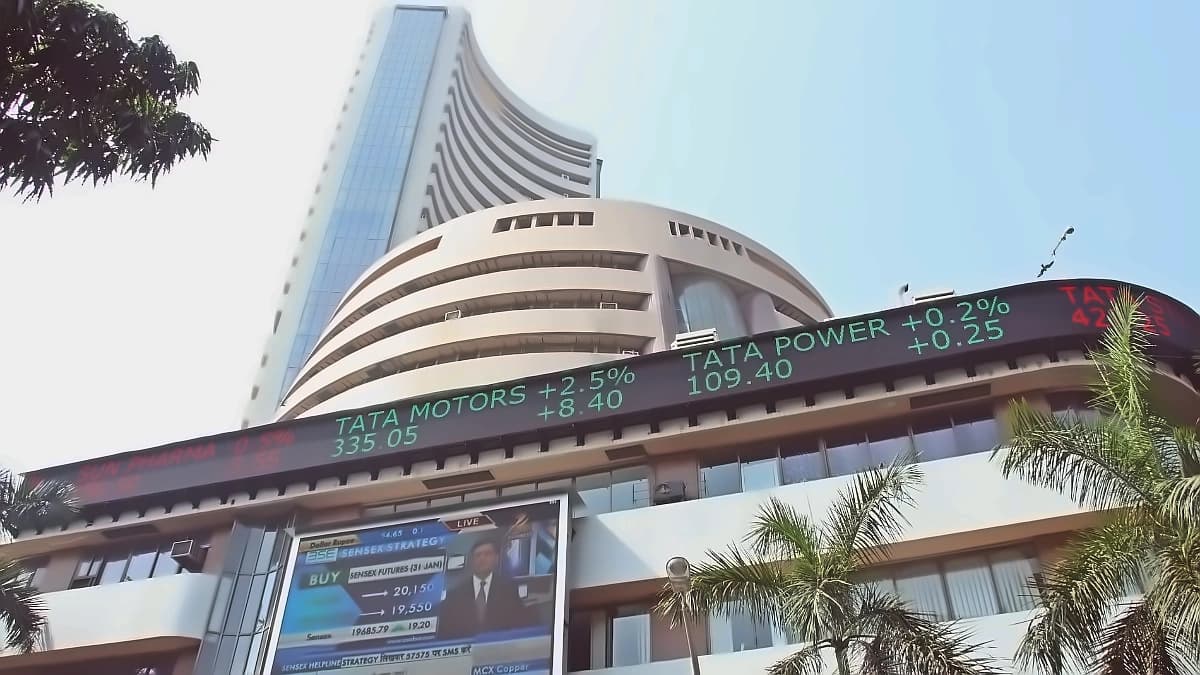
ITC shares plummeted to their lowest level in nearly three years on Thursday, January 1, following the government's notification of increased excise duty on cigarettes. According to latest market data, the stock experienced a significant drop, falling nearly 6% in early trading to hit a 33-month low. This represents a substantial deterioration from the previous session when ITC shares had hit a 52-week low of ₹385, declining 4.46% from the previous close of ₹403. At around 9:35 AM on the previous trading day, the stock was trading 3.60% lower at ₹388.50 on the NSE, while on the BSE, ITC shares were trading 3.86% lower at ₹387.45. The continued decline demonstrates sustained selling pressure as investors react to the government's tax notification that directly impacts tobacco companies' profitability and pricing strategies.
The government on Wednesday (December 31) officially notified February 1 as the implementation date for additional excise duty on tobacco products and a new cess on pan masala. According to the Finance Ministry notification, excise duty will range between ₹2,050 and ₹8,500 per thousand cigarette sticks, depending on product length. From February 1, pan masala, cigarettes, tobacco and similar products will attract a GST rate of 40%, while bidis will attract 18% GST, replacing the current compensation cess structure. A Health and National Security Cess will be levied on pan masala, while tobacco products face additional excise duties. The Finance Ministry also notified the Chewing Tobacco, Jarda Scented Tobacco and Gutkha Packing Machines (Capacity Determination and Collection of Duty) Rules, 2026, following Parliament's December approval of the Central Excise (Amendment) Bill 2025.
Large institutional transactions have significantly amplified the selling pressure on ITC shares. About 3.76 crore shares changed hands in a block deal on Thursday, adding to the previous day's transaction of 4.03 crore shares (0.31% equity) worth ₹1,614.5 crore at ₹400 per share. These substantial institutional transactions indicate major shifts in institutional investor sentiment coinciding with the regulatory developments. The timing of these large block deals, occurring alongside the government's tax notification, suggests coordinated institutional selling as major investors reassess their positions in tobacco stocks under the new tax regime. The sharp decline also coincided with the block deal, adding significant downward pressure on the stock.
The tobacco sector selloff has intensified with Godfrey Phillips India Ltd. shares plummeting by 10.12% to ₹2,482.80, hitting eight-month lows. VST Industries shares also declined over 2% to ₹252.05, demonstrating the widespread impact across tobacco manufacturers. According to industry data, total taxes on cigarettes in India currently account for about 53% of retail prices, which remains significantly below the World Health Organisation benchmark of 75% intended to discourage consumption. This sector-wide decline reflects unified investor sentiment of caution, driven by anticipation of reduced profit margins and potential consumer resistance to price hikes across all tobacco companies.
Market analysts have turned increasingly negative on ITC's prospects following the latest developments. Kunal Parar, Vice President at Choice Equity Broking, stated that ITC has immediate support at ₹390, but warned that if the stock breaks below ₹383, it could see a deeper correction and fall to ₹350. "My view on ITC is negative in the near term. From trading perspective, I advise avoid on ITC," Parar told ET NOW. However, he suggested that ₹383 could be a good level for long-term investment entry. The cigarette segment, which contributes 48% of ITC's overall topline and showed revenue growth of 6.7% to ₹8,722 crore in the September quarter, now faces significant headwinds from the new tax structure that poses a direct threat to this revenue stream.