Indian Railway Finance Corporation Limited (IRFC) has successfully completed a major strategic refinancing operation worth ₹12,842 crore for Hindustan Urvarak and Rasayan Limited (HURL) through a Rupee Term Loan agreement signed in New Delhi. According to the latest announcement under Regulation 30, this transaction represents one of IRFC's largest refinancing initiatives and marks a significant step forward in advancing its strategic vision under IRFC 2.0, anchored in a whole-of-government approach. The loan agreement was executed between Sunil Kumar Goel, Executive Director (Finance), IRFC, and Poonam Jeswani, Chief Financial Officer, HURL, in the presence of the Chairman & Managing Director of IRFC and the Chairman of HURL, along with senior officials from both organisations. The refinancing is expected to deliver substantial value to HURL through competitive financing terms and an optimised repayment structure aligned with its operational cash flows.
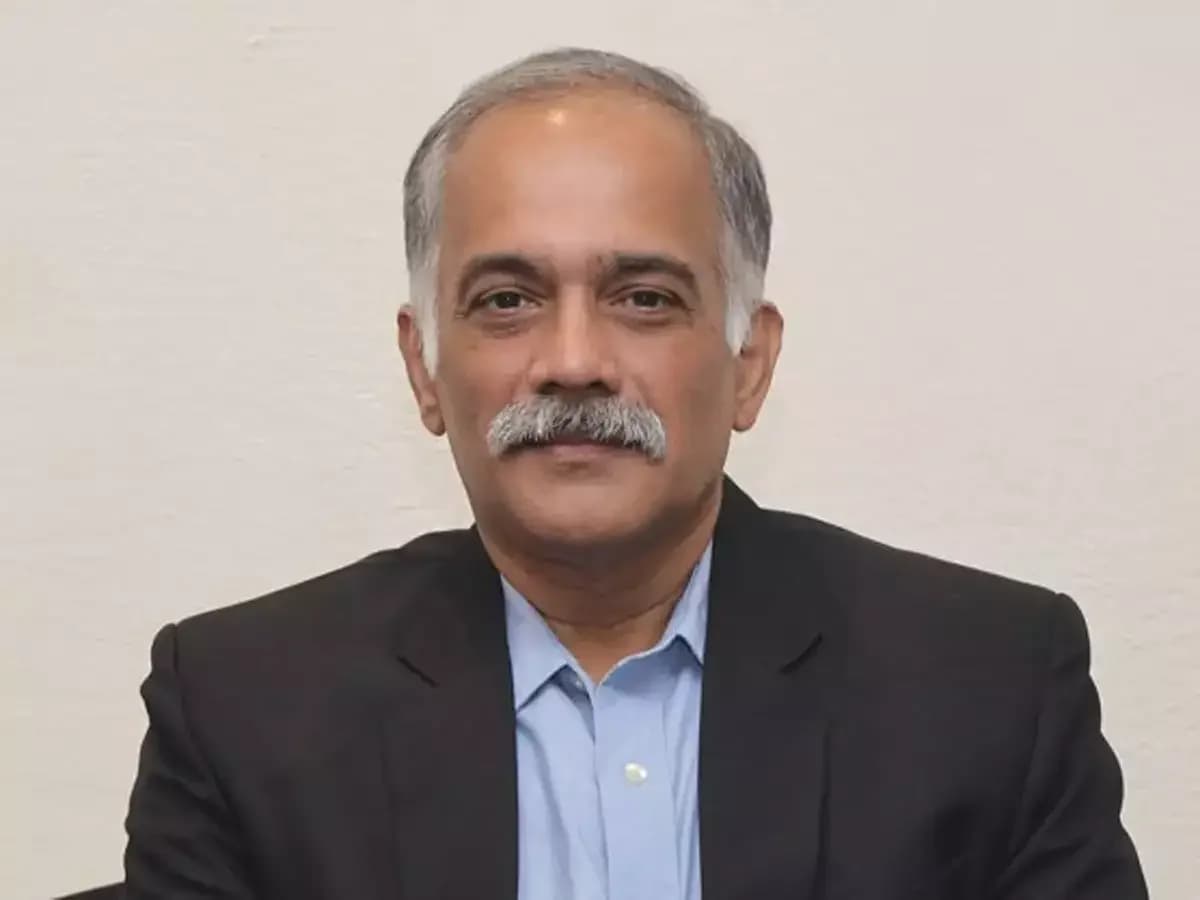
Speaking on this occasion, Manoj Kumar Dubey, Chairman & Managing Director, IRFC, emphasized the company's strategic expansion. As reported by Upstox, Dubey stated that IRFC is actively expanding its footprint by supporting critical infrastructure sectors that have strong linkages with the railways. The refinancing transaction with HURL reflects their whole-of-government approach, where they bring cost-effective, long-term financing solutions to strategically important sectors such as fertilizers. By enabling financial efficiency, the company is contributing to agricultural sustainability while strengthening logistics with railways at the core. This transaction further reinforces IRFC's position as a key financial partner in nation-building initiatives and demonstrates its capability to structure large-scale refinancing solutions for complex, multi-stakeholder infrastructure projects.
The completed refinancing is designed to enhance financial flexibility, improve debt servicing efficiency, and free up resources for operational strengthening and future growth. According to the company's press release, this transaction will deliver substantial value to HURL through competitive financing terms and an optimised repayment structure aligned with its operational cash flows. The project demonstrates strong forward and backward linkages with the railway ecosystem, with HURL's plants well connected through rail infrastructure and fertilizer movement undertaken in coordination with Indian Railways. The company has also operationalised institutional mechanisms for seamless rail freight payments, underscoring its deep integration with the rail transport network. This deal marks IRFC's growing role beyond railway financing into key infrastructure sectors, with the fertilizer industry's expected 10.7% annual growth until 2026 highlighting the strategic importance of funding these linked areas.
IRFC's financial position shows mixed indicators with TTM P/E ratio ranging from 16.7 to 27.75, while facing significant challenges with a high Debt-to-Equity ratio of 743.81% and a low interest coverage ratio. As reported by Upstox, the company maintains a strong asset quality record with a zero-NPA portfolio as a Navratna CPSE. HURL, a joint venture of leading PSUs including NTPC, Coal India, Indian Oil, FCIL, and HFCL, was established under the Government of India's initiative to revive closed fertiliser plants at Gorakhpur, Sindri, and Barauni, with all three plants now operational. The company plays a critical role in strengthening India's domestic urea production capacity, with its mandate covering projects with forward and backward linkages to railways including power generation, mining, fuel and coal, warehousing, telecom, hotels and catering, metro rail, freight corridors, ports, and multimodal logistics.
IRFC has demonstrated strong financial health with Moody's rating Baa3 (stable outlook) and S&P rating BBB- (positive outlook), while local agencies CRISIL and CARE rate its long-term programs AAA. The company plans to raise up to ₹70,000 crore in FY27 for its expanding lending activities, supported by its Capital to Risk-Weighted Assets Ratio (CRAR) of 160%. Recent Q3 FY26 results showed a 10.5% increase in net profit to ₹1,802 crore, though revenue saw a slight decrease. However, IRFC faces challenges with its P/E ratio of around 18x being much higher than peers, suggesting potential overvaluation relative to growth prospects. The company's diversification into sectors like fertilizers increases exposure to volatility, while success will depend on managing sector-specific issues and justifying its higher valuation through consistent execution of its infrastructure financing strategy.