IRFC shares gained over 2% following the announcement of the ₹13,527 crore term loan agreement with L&T Metro Rail (Hyderabad) Limited (L&TMRHL). According to latest market updates, the stock was trading around ₹100.62, outperforming broader market sentiment during the session. The positive market response reflects investor optimism over IRFC's expanding role beyond traditional railway financing and strengthening position in urban infrastructure projects. However, the stock remains under pressure with a nearly 5% decline over the past month and a negative return of around 28% over the last year, indicating broader market challenges despite the positive development.
The refinancing package has been structured with comprehensive government backing and security mechanisms. As reported by Outlook Business, the facility is backed by an unconditional and irrevocable undertaking from the Government of Telangana for servicing payments due to IRFC. The deal is also supported by a state government guarantee and an RBI-backed direct debit mechanism, providing multiple layers of security for the long-term financing arrangement. The 20-year tenure with quarterly repayments replaces higher-cost borrowings with competitively priced long-term rupee financing, addressing the project's previous funding challenges. The refinancing facility will be used to repay existing high-cost debt instruments, refinance non-convertible debentures (NCDs), and replace older term loans with long-term funding, providing stability to long-term operations and allowing existing lenders to exit in an orderly manner.
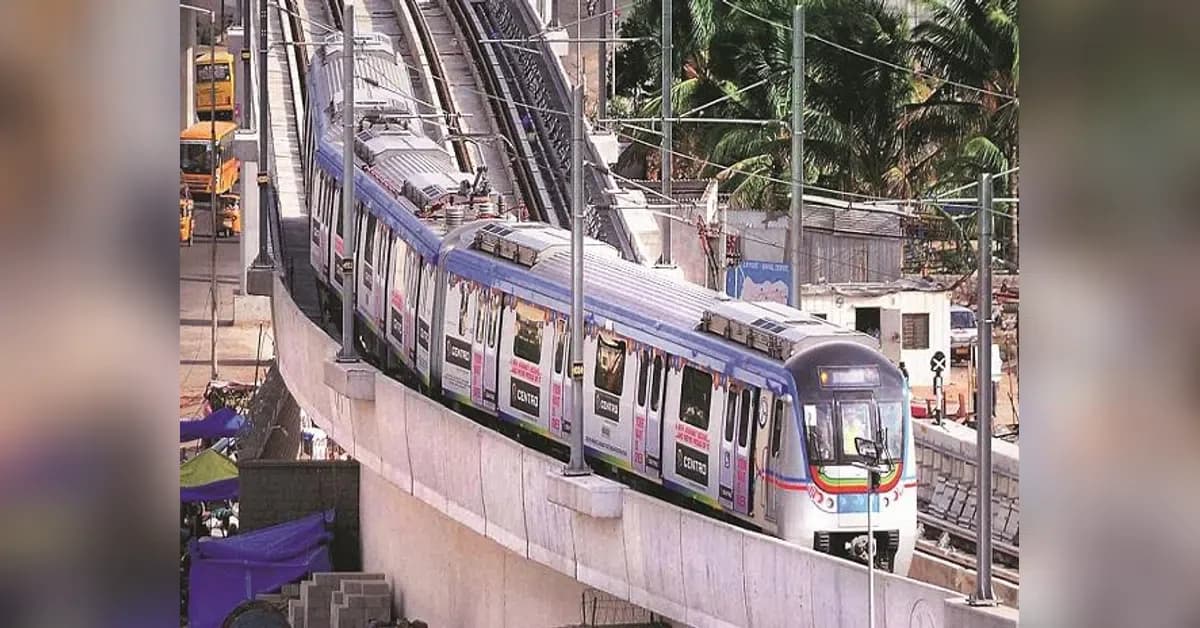
The Hyderabad Metro Phase-I network spans 69.2 kilometres across three corridors and includes 57 stations, currently serving more than five lakh passenger journeys every day according to Outlook Business. According to Telangana Chief Secretary K Ramakrishna Rao as reported by Business Standard, Hyderabad Metro Phase 1 incurred a loss of ₹340 crore last year against revenue of ₹1,100 crore. However, the project's ridership has recovered to around 450,000 passengers after the pandemic, with the refinancing expected to improve long-term financial sustainability and support the metro's path to profitability. The agreement, signed on May 25, 2026, is aimed at restructuring existing debt and improving the financial health of the Hyderabad Metro Rail system.
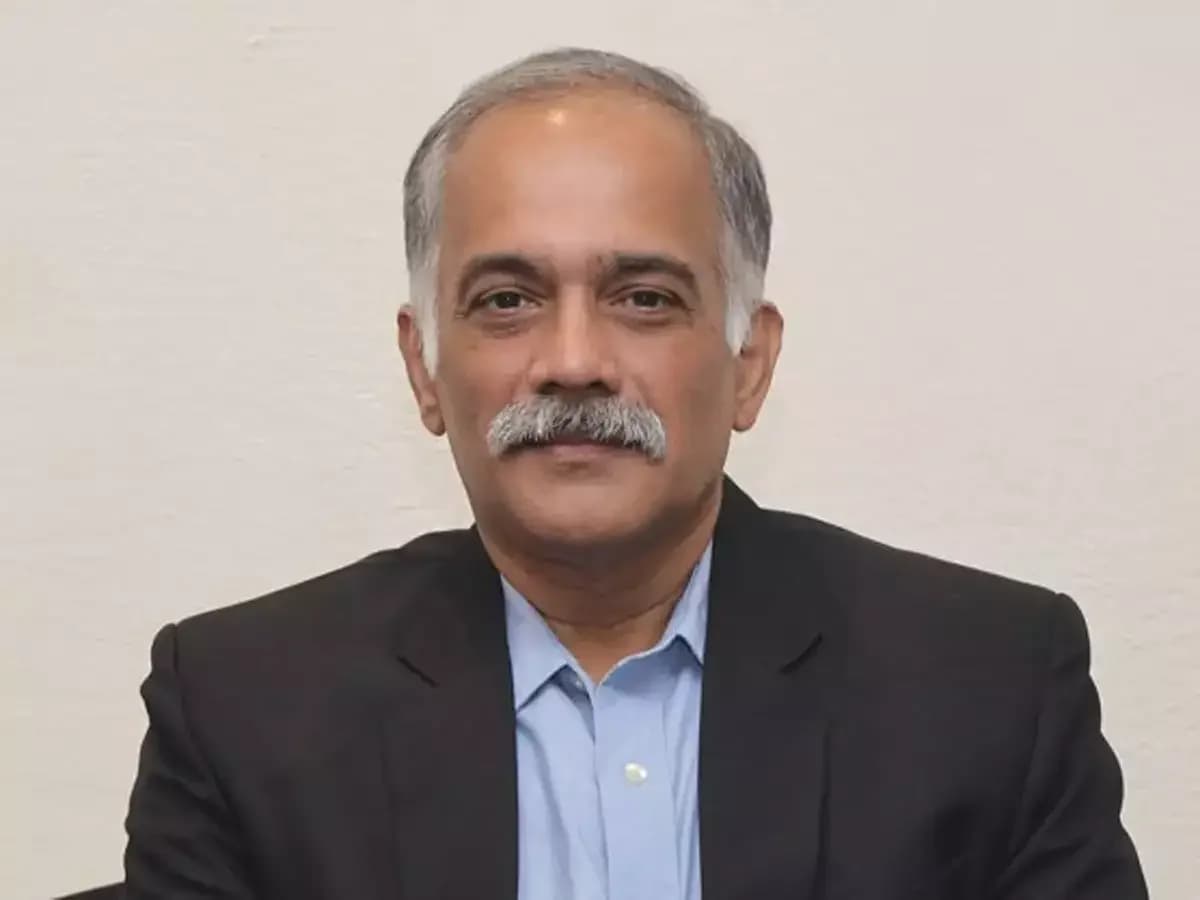
This transaction represents a significant milestone in IRFC's diversification strategy beyond conventional railway assets into urban mobility and broader infrastructure projects. As reported by Outlook Business, IRFC Chairman and Managing Director Manoj Kumar Dubey stated that the transaction highlights the company's increasing ability to create long-tenure financing structures for major infrastructure assets. The facility will refinance existing liabilities, including non-convertible debentures, commercial papers and term loans, facilitating an orderly exit for current lenders while supporting future metro expansion plans. The deal is among the largest transactions in India's urban transit financing space and signals IRFC's commitment to serving as a domestic financing partner for large infrastructure projects. This transaction highlights IRFC's gradual diversification into long-tenure public mobility assets and aligns with India's broader infrastructure development vision and increasing emphasis on public transport expansion in major cities.
The complete transfer and debt takeover paves the way for a Phase-2 expansion of the southern state capital, with the 77-kilometre expansion expected to cost ₹25,000 crore and the state government having sent a proposal to the Union housing and urban affairs ministry. According to Business Standard, the refinancing arrangement follows an agreement between L&T and the Telangana government, which saw the state buying out the former's stake in India's longest-running public-private partnership (PPP) metro project for ₹1,461 crore. Larsen & Toubro (L&T) exited the project after suffering pandemic-related revenue challenges, with the refinancing representing a significant development in India's metro infrastructure financing landscape. The ownership shift from L&T to the Government of Telangana has converted the project into a state-owned urban mobility asset, strengthening government backing for financial restructuring and improving credit confidence in the project.