
Indian Railway Finance Corporation (IRFC), a Navratna CPSE under the railways ministry, delivered its highest-ever quarterly profit after tax of ₹1,802.19 crore in the quarter ended December 31, 2025, representing a 10.52% increase compared to ₹1,630.66 crore in the same period of the previous fiscal year. According to reports from Upstox, this milestone performance underscores the company's strong execution capabilities under its IRFC 2.0 strategy.
Despite the robust profit growth, IRFC's revenue from operations declined 1.51% to ₹6,661.13 crore in the October-December quarter of FY26, compared to ₹6,763.43 crore in the year-ago period. For the nine-month period ended FY26, PAT stood at ₹5,324.86 crore, up 10.47% compared to ₹4,820.13 crore in the corresponding period last year, as reported by Upstox.
The company's Net Interest Margin improved by over 8% on a year-on-year basis, supported by value-accretive disbursements across varied segments and disciplined liability management. IRFC's Assets Under Management advanced to a record ₹4.75 lakh crore as of December 2025, despite the absence of fresh business from Indian Railways during the period. The firm maintained its zero non-performing asset record and obtained its fifth consecutive 'Excellent' performance rating from the Department of Public Enterprises, according to Upstox reports.
The company has already achieved its annual sanction guidance of ₹60,000 crore within nine months, demonstrating robust pipeline execution. IRFC completed a ₹9,821 crore refinancing of DFCCIL's World Bank loan, replacing foreign currency exposure with rupee financing to generate savings and mitigate risk. As reported by Upstox, shares of Indian Railway Finance Corporation were trading down 0.62% at ₹121.43 apiece on the NSE, with a market capitalisation of ₹1,58,690.87 crore.
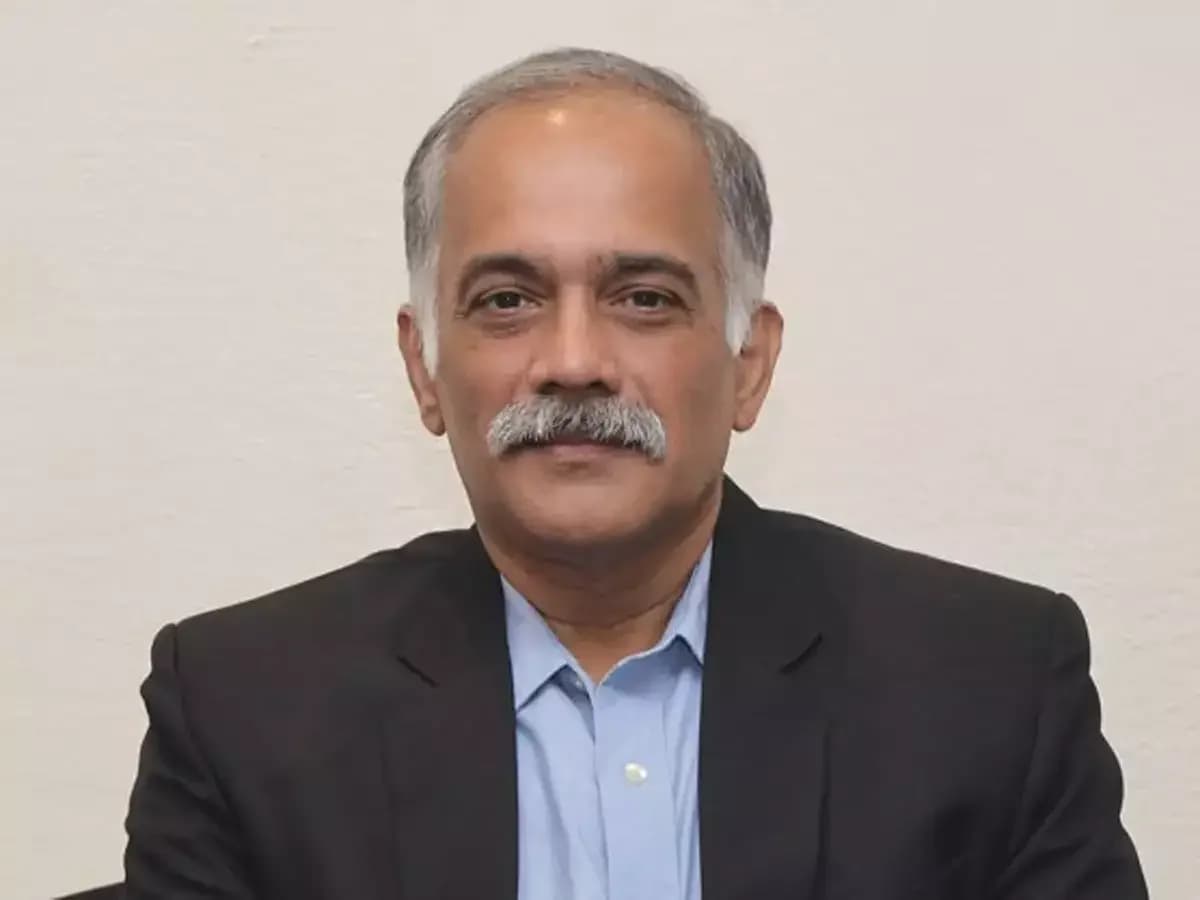
Manoj Kumar Dubey, Chairman and Managing Director of IRFC, emphasized that the quarter reflects strong execution under IRFC 2.0, stating that the performance demonstrates the resilience of the business model and effectiveness of diversification across core railway financing and allied infrastructure segments. According to Upstox, Dubey highlighted that the DFCCIL refinancing transaction establishes a scalable refinancing template that can be replicated across other large railway and railway-linked infrastructure projects.