Telecom infrastructure company Indus Towers Ltd reported mixed financial results for the second quarter of FY27, with net profit declining 2.5% year-on-year to ₹1,793 crore compared with ₹1,839 crore in the corresponding period last year. According to reports from CNBC TV18 and The Economic Times, revenue grew 4% to ₹8,516 crore from ₹8,188 crore in the year-ago period, indicating strong top-line growth despite profit pressures. The company's extensive tower portfolio and pan-India presence position it as a critical enabler of digital connectivity, especially with increasing data demand and 5G rollout.
The company's EBITDA increased marginally to ₹4,633 crore from ₹4,613 crore, but EBITDA margin narrowed significantly to 54.4% from 56.3% a year earlier, representing a 190 basis points decline. As reported by CNBC TV18 and The Economic Times, the company's return on equity (ROE) before tax declined to 25.3% from 38.4% a year earlier, while post-tax ROE fell to 18.8% from 29%. Return on capital employed (ROCE) decreased to 19.1% from 26.3% during the same period. Rental revenue growth was moderate at just 3.8% due to a decline in ARPT (down 1.6% YoY), while cash EBITDA grew faster QoQ at 3.3% due to lower other network expenses and drop in energy losses on seasonality. The company benefits from long-term contracts, stable cash flows, and strong relationships with major telecom players, making it a key participant in India's telecom ecosystem.
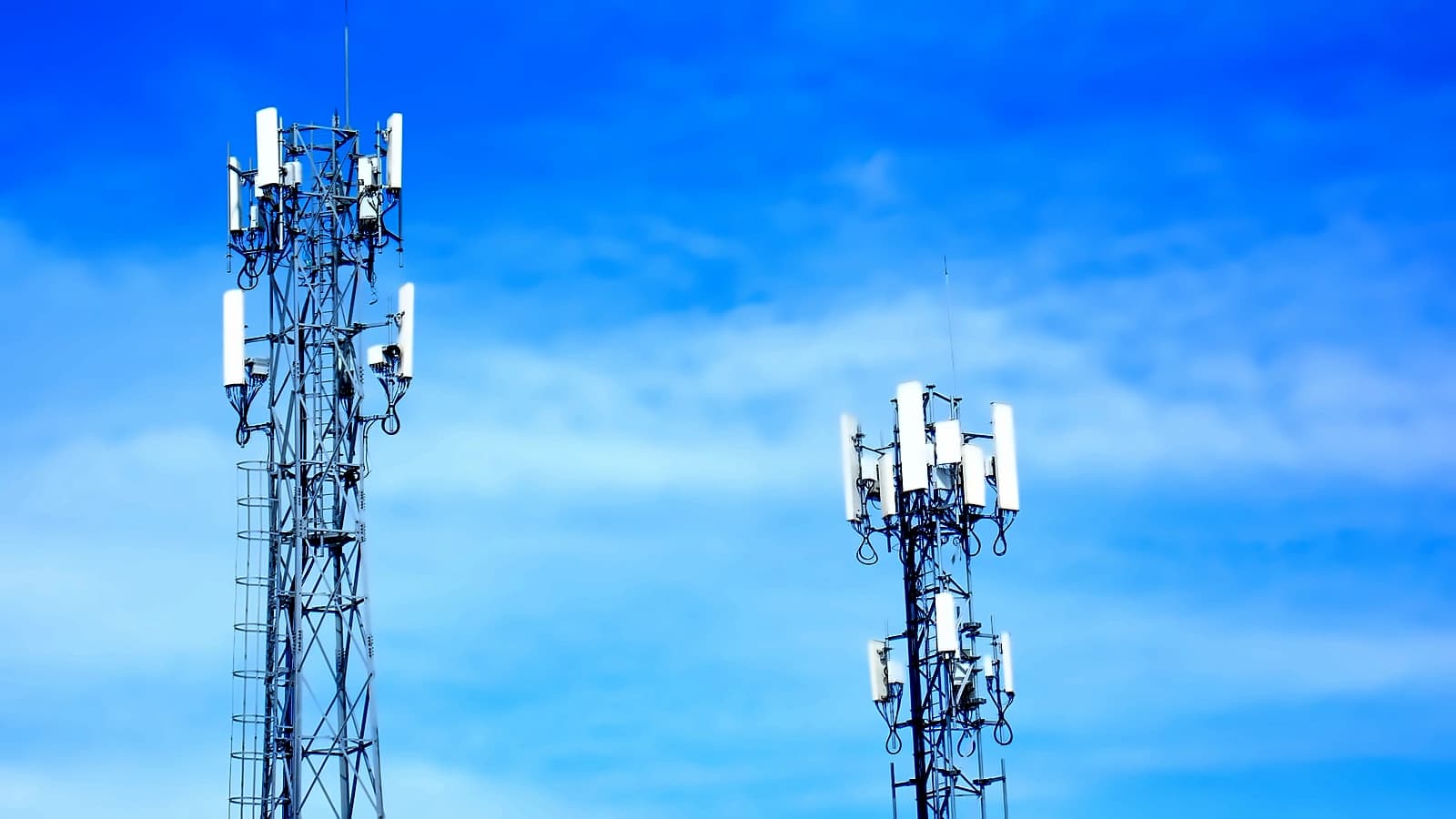
According to CNBC TV18 and The Economic Times, Indus Towers demonstrated strong operational growth with total tower base increasing 5.6% year-on-year to 2,70,480 as of September 30, 2026. The company's co-location base, which measures telecom operator installations at towers, grew 5.9% to 4,40,153. The tenancy ratio improved to 1.63, reflecting the company's success in capturing substantial share of customers' incremental rollouts and reinforcing its position as their preferred infrastructure partner. The company operates through a scalable and asset-heavy infrastructure model, with its extensive tower portfolio and pan-India presence positioning it as a critical enabler of digital connectivity. However, capex remains elevated at 28.2% of revenue, supporting tower and tenancy net add, which is restricting an uptick in EPS on faster growth in D&A (7.9% YoY) and impeding FCF generation.
Prachur Sah, Managing Director and CEO of Indus Towers Limited, stated that the company delivered a strong quarter underpinned by sustained customer demand, healthy co-location additions and robust cash flow generation. As reported by CNBC TV18 and The Economic Times, Sah highlighted the company's focus on a low-cost shared infrastructure model, digital energy management and AI-led transformation to enhance operational efficiency and customer experience. The company noted that the year-ago quarter included a write-back of ₹195 crore in provisions for doubtful receivables, supported by collections against past overdue amounts. In Africa, Sah indicated that initial rollouts were progressing as planned, with momentum expected to build through the second half of the year. Indus Towers has maintained a shareholder-friendly approach with consistent capital return policies and a consistent dividend payout record, supported by strong cash generation.
According to CNBC TV18, shares of Indus Towers Ltd ended at ₹384.05, down by ₹1.95, or 0.51% on the BSE following the results announcement. The modest decline reflects investor reaction to the mixed quarterly performance, with revenue growth offset by margin pressures and profit decline despite strong operational metrics. ICICI Securities has recommended a REDUCE rating on Indus Tower with a target price of ₹360 in its research report dated October 28, 2026. The brokerage tweaked its EPS estimates and DCF-based target price to ₹360 (vs. ₹350), maintaining the REDUCE rating. The company remains confident of delivering sustainable growth and long-term shareholder value, supported by a healthy order book and compelling infrastructure value proposition, though earnings growth remains capped due to elevated capex requirements.