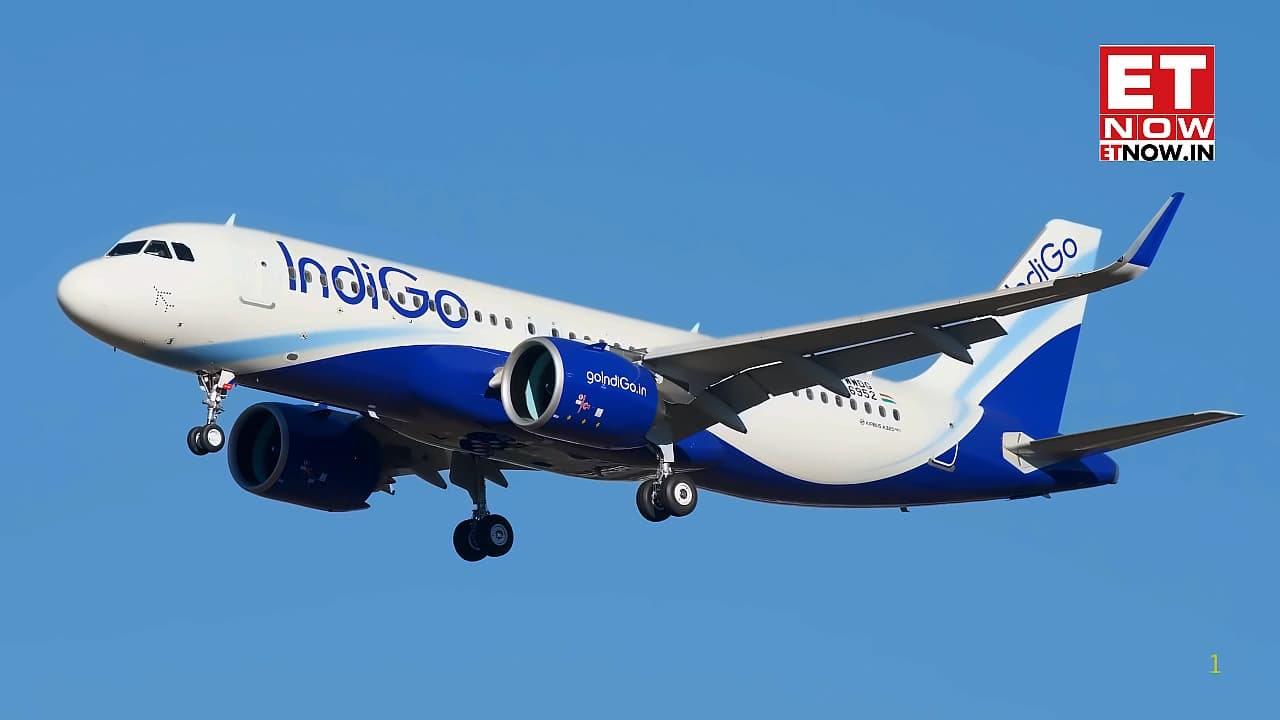
According to latest reports, IndiGo has significantly accelerated its fleet ownership strategy, with over 20% of its fleet now either owned or held under finance leases, up from approximately 10% at the end of September 2024. This represents a substantial achievement toward the airline's 2030 target of increasing owned and finance-leased aircraft to 30-40% of total fleet. As of March 2026, IndiGo owned 36 aircraft and had 53 under finance leases, taking their combined share to about 20% of the 441-aircraft fleet. The airline's ₹51,651 crore cash balance as of March 31, including ₹36,216 crore in free cash, provides the financial foundation for this strategic shift. The move addresses the airline's primary concern - foreign exchange exposure from dollar-denominated lease costs that have inflated significantly during the 13.64% rupee depreciation between June 2025 and March 2026.
According to latest reports, IndiGo's parent company InterGlobe Aviation reported a net loss of ₹2,394 crore for FY26, marking its first loss since FY23 and a dramatic reversal from the ₹7,258 crore profit posted in the previous year. The airline attributed the losses primarily to an 11% depreciation of the rupee against the dollar, which significantly inflated dollar-denominated lease costs as the airline's leased liabilities are dollar-denominated. Despite the overall loss, the airline reported revenue from operations of ₹84,962 crore, representing a 5% increase from the previous year. However, operational challenges compounded the financial pain, with capacity expanding 9.5% even as passenger traffic grew only 7.5%, pushing load factors down to 84.4% from 86% a year earlier. As per Mint, excluding the impact of foreign exchange and exceptional items, the company delivered a profit of ₹7,500 crore for FY26.
Operational metrics for FY26 reflected significant pressure on pricing power and demand, with revenue per available seat kilometre falling 3% to ₹4.99, indicating that the airline was flying more seats at lower fares into less demand. The airline's capacity expansion of 9.5% during FY26, even as disruptions linked to the ongoing Middle East conflict continued to affect aviation routes globally, created operational challenges. During the March quarter specifically, IndiGo reported a loss of ₹2,537 crore with quarterly revenue of ₹23,831 crore, representing a more than 3% increase from ₹23,098 crore recorded in Q4FY25. The reporting quarter was particularly impacted by a nearly 5% depreciation in the Indian rupee against the US dollar, leading to a foreign exchange loss of ₹4,823 crore in Q4FY26, significantly impacting operating margins.
The airline's shift from its traditional sale-and-leaseback model to finance leases that provide buyout options represents a fundamental change in its operational and financial structure. As CFO Gaurav Negi explained to analysts, "We are shifting now (from the operating lease) that we will start owning aircraft and the finance lease approach is the first step towards that." This strategy allows IndiGo to own the aircraft at the end of lease terms rather than returning them, providing greater control over operational costs and reducing exposure to currency volatility. The airline's ₹4,340 crore prepayment of finance lease obligations to its GIFT City subsidiary demonstrates this commitment to fleet ownership. According to Ambit Capital's Karan Khanna, "The shift toward owning aircraft acts as an effective operational and financial buffer against rupee depreciation." This complements the airline's foreign exchange hedging programme, increasing its hedge target from $1 billion to $3 billion, with $2 billion of exposure covered over a two-to-five-year period to reduce volatility risks.
Despite current challenges, IndiGo maintained its dominant market position with 65% market share as of April, up from 63.3% in March, while peer Air India Group saw its share decline to 24.7% from 26.2% in the same period. According to Elara Securities, the airline's mid-teens unit revenue growth expectations, driven by pricing-led demand, may create opportunities for market share gains as competitors implement larger capacity cuts. However, the airline has not provided full-year guidance on capacity or passenger growth for the first time, with CFO Gaurav Negi stating during the post-results investor call that "We will give full-year available seat per kilometre guidance later this year." The airline expects capacity growth of around 3-4% in Q1FY27 compared with the corresponding period last year, maintaining its expansion strategy despite current challenges while leveraging its strengthened balance sheet and reduced forex exposure through increased fleet ownership.