According to reports from The Economic Times, InterGlobe Aviation's IndiGo is temporarily suspending flights to six international destinations between July and September 2026 as part of a network optimisation exercise. The airline will continue operating most international services while monitoring conditions and may restore routes earlier if circumstances improve. Operations to Langkawi, Krabi, Ho Chi Minh City, Hong Kong and Shanghai will be suspended from July 1, 2026, while services to Siem Reap will be paused from July 3, 2026. The suspensions will remain in effect until September 30, 2026, with bookings for all affected routes resuming on October 1, 2026. As per The Economic Times, the disclosure was made under Regulation 30 of the SEBI (Listing Obligations and Disclosure Requirements) Regulations, 2015.
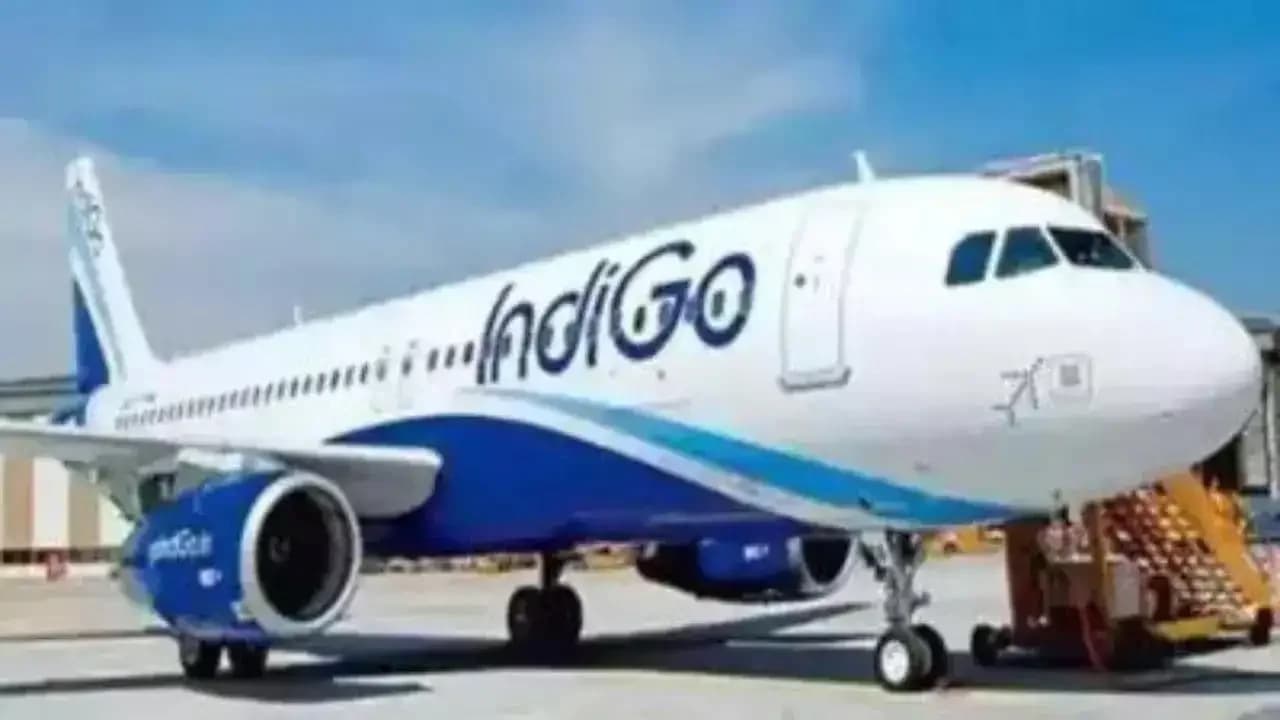
According to Moneycontrol reports, IndiGo is facing significant delays in receiving its A321XLR aircraft from Airbus SE, with the airline unlikely to receive the full batch of nine units this year. The airline was originally scheduled to receive the XLRs by year's end, but the time frame on some units has been pushed back by several months. IndiGo has already received two XLR jets and they are currently being used on routes to Athens and Istanbul. The airline has been informed that the Middle East war is disrupting Airbus's supply chain, prompting IndiGo to negotiate with the France-based manufacturer for favorable delivery slots. An Airbus spokesperson declined to comment on delivery schedules, while IndiGo also declined to provide statements on the matter.
Market experts predict that IndiGo faces significant cost pressures with rising energy prices and expansion plans creating near-term headwinds. According to The Economic Times, energy costs accumulate up to nearly 40% of total operating costs for airlines, and with jet fuel prices rising 70% year-on-year due to the US-Iran conflict, airline margins are coming under severe pressure. The weaker Indian rupee is also impacting the airline's bottom line, as Wright Research's Sonam Srivastava explains that "a lot of IndiGo's costs, like leases, maintenance, and fuel, are in dollars, but not as much of their revenue is. So, when the rupee weakens, it really hurts the bottom line." HSBC analysts noted that "extreme challenges in near term. High fuel cost requires further increase in yield, which could be demand-destructive."
Despite cost pressures, IndiGo is implementing a disciplined pricing-over-capacity strategy as recommended by Jefferies analysts. The airline's focus on premiumisation strategy while bridging low-cost operations and full-service routes is expected to drive FY27 revenue growth driven by fares with capacity growth expected in single digits, according to Morgan Stanley analysts. Wright Research's Sonam Srivastava noted that "IndiGo is making a clear choice: they'd rather get better prices than just add more flights." The airline is planning to return some of the pricier leased planes and use fewer of the older, less fuel-efficient aircraft, which should help save on both lease payments and fuel costs. INVasset PMS's Harshal Dasani expects the cost line to compress through FY27, with the setup looking constructive for the next two to three quarters as engine issues normalise and capacity recovers.
According to The Economic Times, IndiGo shares have fallen nearly 20% over the past six months and are down almost 30% from their August 2025 peak of ₹6,232. The stock closed 4% lower at ₹4,537.60 after Tuesday's trading session, with a market capitalisation of over ₹1.75 lakh crore as of June 9, 2026. The airline's 52-week high was ₹6,232.50 on August 18, 2025, while the 52-week low was ₹3,895.20. Despite recent challenges, IndiGo's parent company InterGlobe Aviation shares have delivered more than 152% returns over the last five years and over 84% gains in the last three years, according to NSE data. The XLR delays would represent another hurdle for IndiGo's ambitious international expansion, which is under pressure from soaring jet-fuel costs and airspace restrictions.