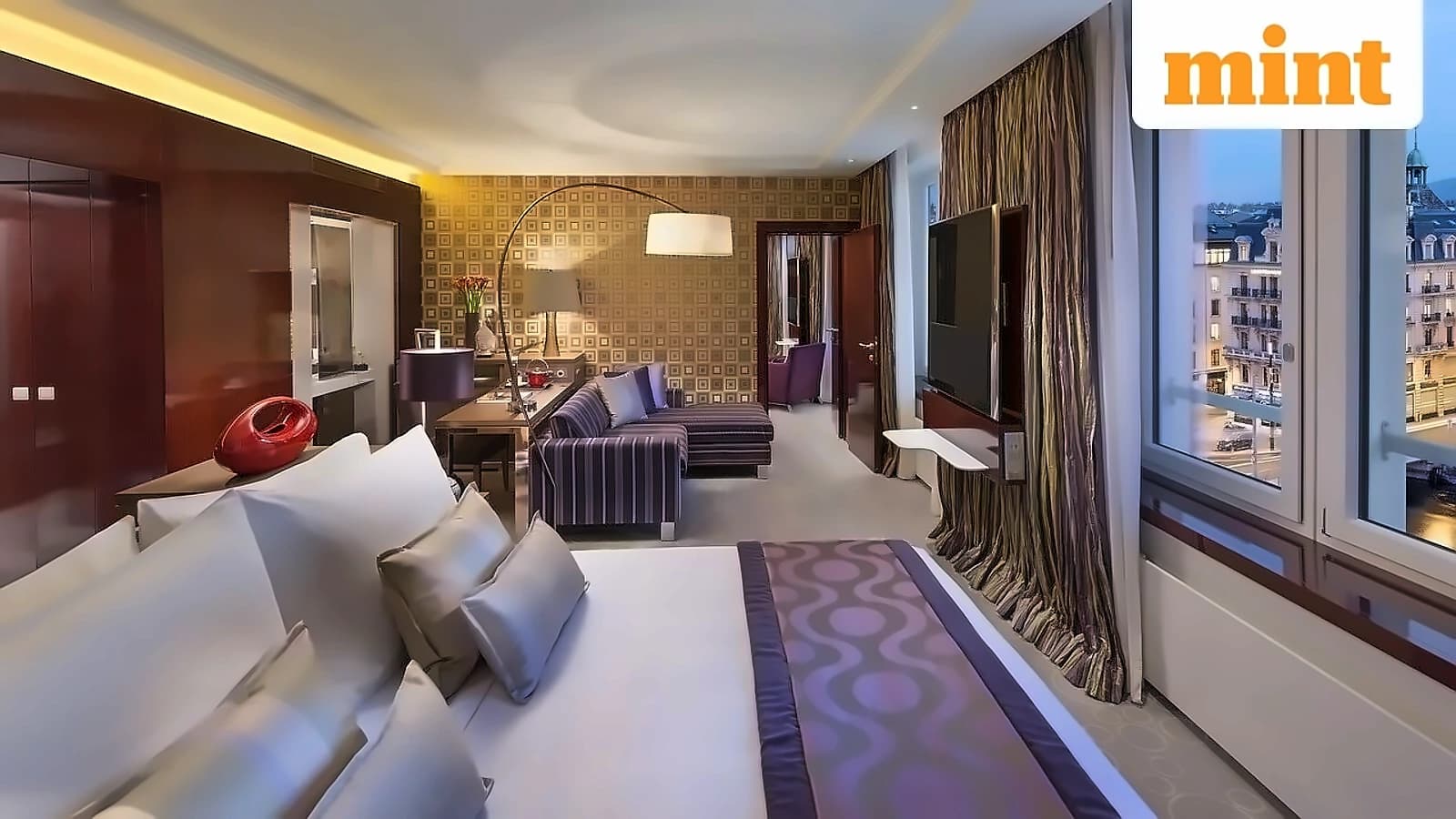
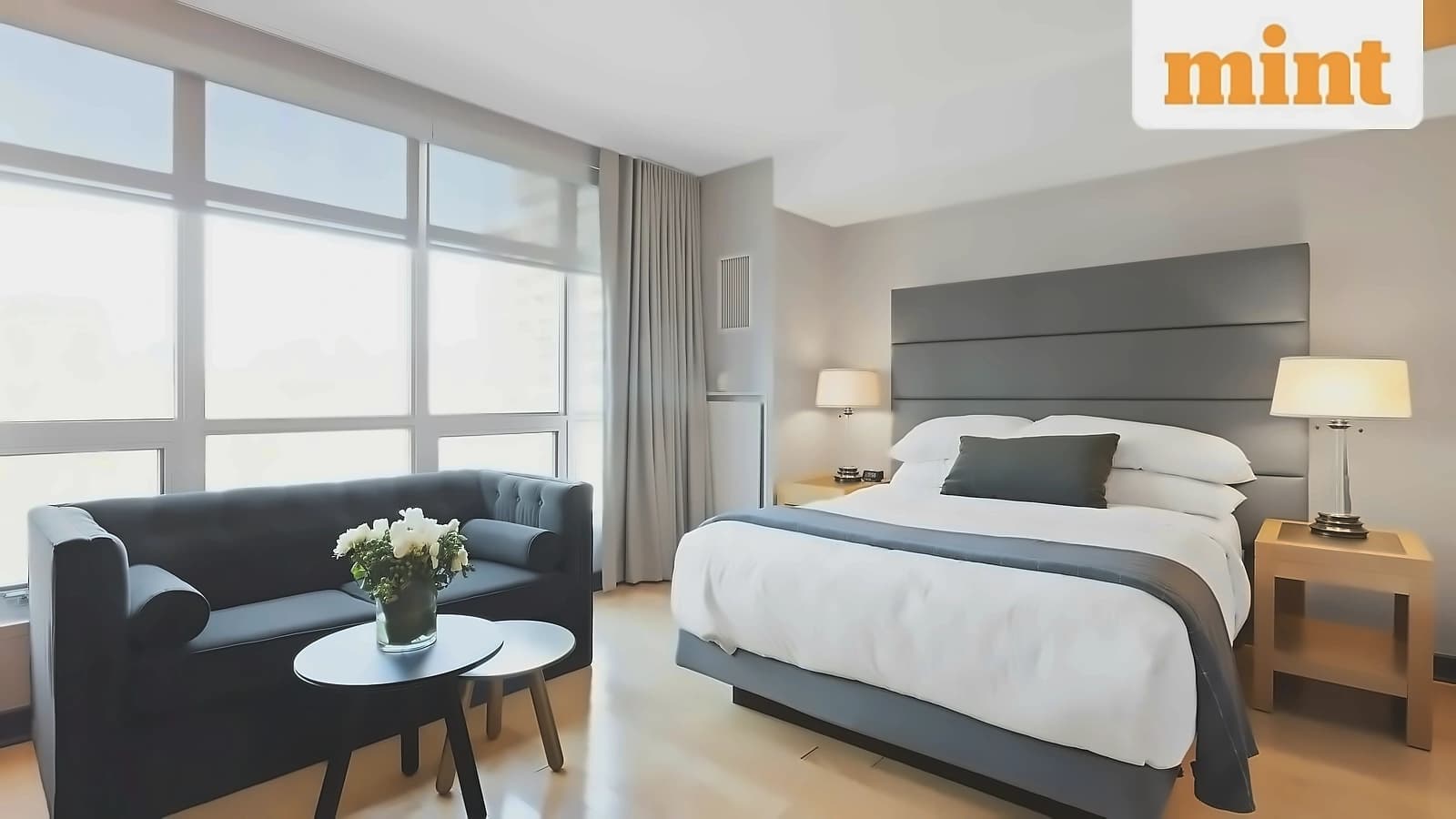
India's budget and mid-scale hotels are offering significantly more amenities than their global counterparts, according to a new report by Savills India and Hotelivate's Building Smarter Construction Cost Insights 2025. The survey covered approximately 600 hotels across 150 cities, representing around 40% of India's organised hotel inventory. As reported by Mint, hotels now run more than one restaurant even in budget segments, where global peers typically offer none. This model has become deeply embedded in Indian hotel development, with hotels adding multiple food and beverage outlets, event spaces, and leisure facilities including pools, spas, and wedding-sized banquet halls. According to Megha Tuli of Hotelivate-Savills, even in the budget segment, hotels in India typically offer more food and beverage outlets than their counterparts in Europe or the US. This is not a new trend but reflects long-standing consumer expectations around service and facilities.
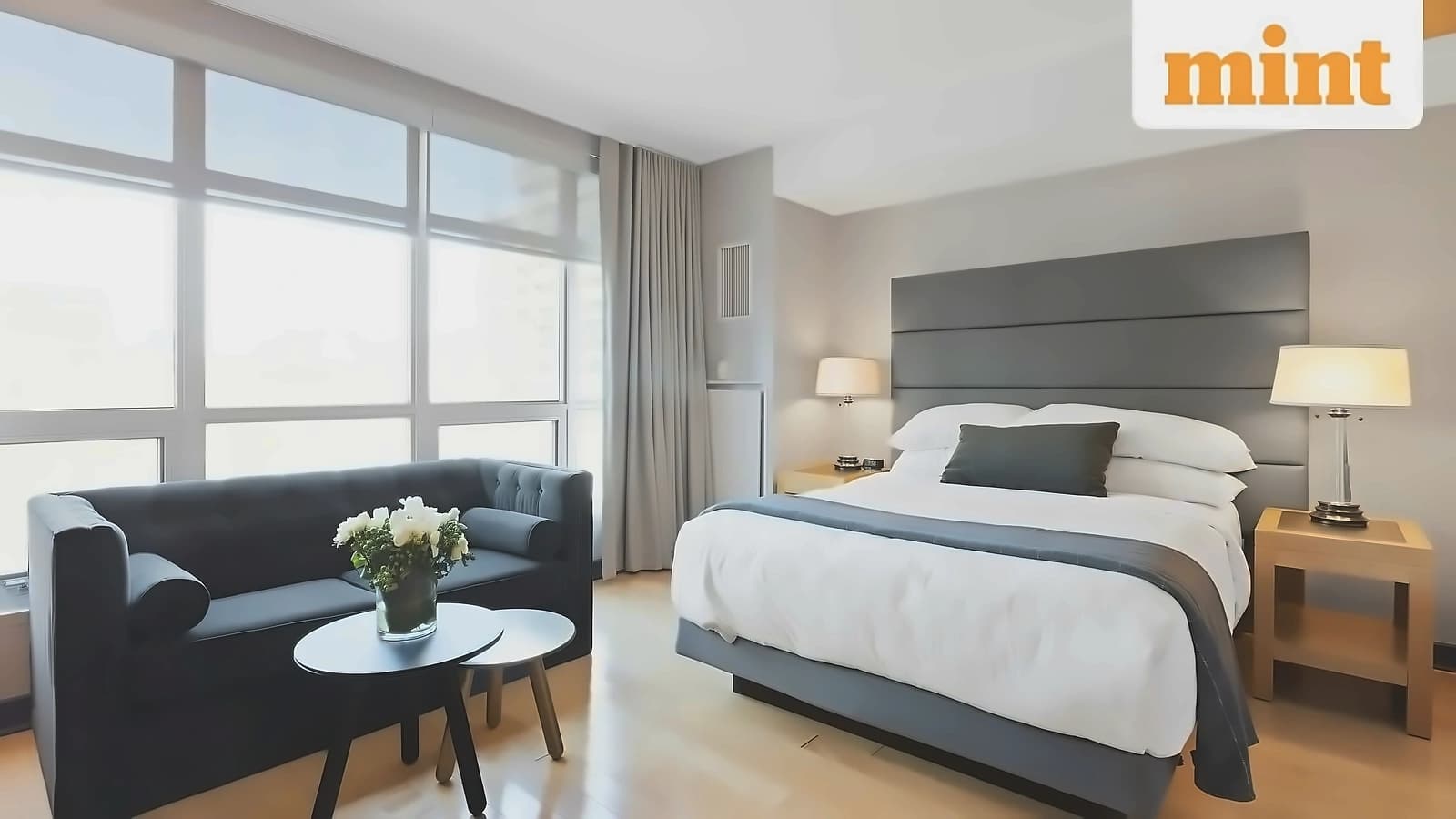
According to Vikramjit Singh, founder of Alivaa Hotels and Resorts, non-room revenue can contribute as much as 60% of total business in tier-II and tier-III cities. As reported by Mint, this makes it essential for even mid-market hotels to offer multiple restaurants and event spaces. Nationwide hotel room occupancy has held steady at 67-68%, but average room rates have continued to rise to about ₹9,000-9,100, up 8-9% from a year ago. This comes after three years of strong performance for the sector. The report estimates that the average cost of developing a hotel room is now around ₹1.36 crore, with wide variation across categories, with the median cost being at about ₹1.04 crore. The cost varies sharply across categories, with luxury hotels costing about 6.2 times more per room than budget properties, largely due to higher space allocation and additional facilities.
India currently has just over 2,100 branded hotels, with over 50,000 branded hotel rooms signed in 2025 and the pipeline now standing at more than 120,000 rooms, which is over half of current organised inventory of upwards of 200,000 rooms. As reported by Mint, this fresh organised hotel room supply will ease price pressure on travellers, though the impact is likely to be gradual. The report notes that luxury hotels cost about 6.2 times more per room than budget properties, largely due to higher space allocation and additional facilities. Megha Tuli of Hotelivate-Savills sees significant scope for more such amenity-rich hotels across India, reflecting how hotel demand works in India where guests often use hotels for weddings, family gatherings and group travel. The room is just one part of the stay.
External disruptions have affected short-term performance, with heavy monsoons in parts of Himachal Pradesh, Sikkim and Uttarakhand, along with geopolitical tensions creating temporary travel disruptions. However, these have not changed the broader demand trend. According to Megha Tuli of Hotelivate-Savills, room rates are ultimately a function of demand and supply, with additional amenities shaping perception and positioning but not being the sole driver of pricing. There are early signs of moderation in some markets, with Goa and Lucknow seeing some softening as new supply enters. This is typical of the hotel cycle, where strong performance attracts new development and eventually balances demand. The report indicates that there are early signs of moderation in some markets, with Goa and Lucknow seeing some softening as new supply enters.