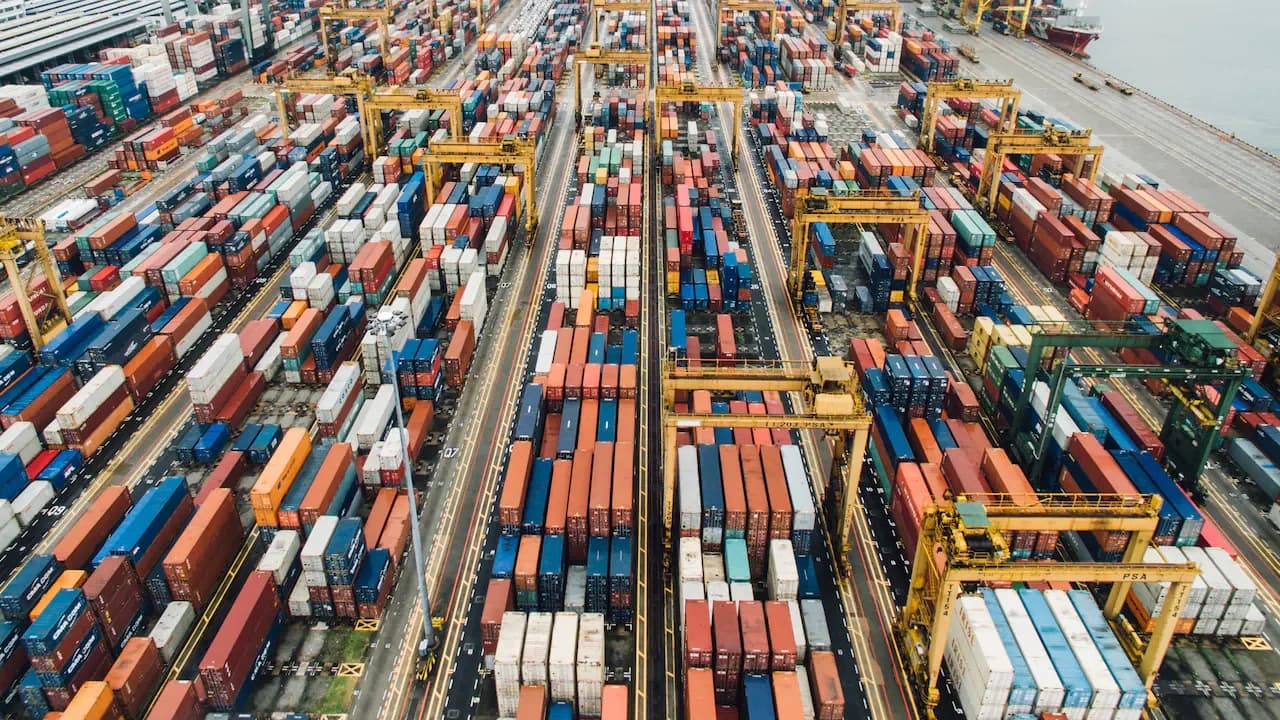
India's furniture manufacturers are rapidly shifting toward domestic sourcing as import delays and volatile input costs expose the industry's dependence on overseas materials. According to reports from Mint, companies including Pepperfry and Wooden Street are building inventory buffers and recalibrating pricing strategies amid rising logistics costs and inflation in crude-linked inputs. The industry imports roughly 15-20% of premium inputs such as raw solid wood, timber logs, veneer, and engineered panels from countries including Vietnam, China, Malaysia, and parts of Europe, creating significant supply chain vulnerabilities.

Pepperfry reported that approximately 30-35% of its stock-keeping units (SKUs) have seen price increases, with most changes in the 7-8% range driven by higher freight and input costs. As reported by Mint, a six-seater dining table is now roughly 5-10% more expensive than it was a quarter ago. Wakefit Innovations Ltd noted in its March quarter investor presentation that multiple external headwinds impacted the second half of the year, with raw material procurement costs rising substantially during March. Select foam chemicals including polyols and toluene diisocyanate (TDI) witnessed price increases ranging from 30% to 160% year-on-year across the industry.
Growing unpredictability in shipping timelines is emerging as a significant challenge for manufacturers. According to Wooden Street's Lokendra Ranawat, three weeks becomes five, five becomes seven, and often you find out late about delays linked to international shipments routed through Red Sea corridors. As reported by Mint, hardware fittings, specialty laminates and premium veneers have been among the most impacted categories because quality-focused manufacturers rely on specialized overseas suppliers with no quick domestic alternatives available.
The supply chain disruption is accelerating a broader shift toward locally available woods and engineered alternatives. According to Pepperfry, teak had already become expensive for online and mass-market retail even before geopolitical tensions intensified, with customers moving toward sheesham, mango and acacia. Bengaluru's Balaji Woodworks is leveraging domestic wood sourcing to avoid volatile import costs and shipping delays, with owner Ramesh Gowda noting that some price-sensitive customers are more open to engineered wood and Indian hardwood alternatives if delivery timelines are shorter. For Wooden Street, which works extensively with Rajasthan's artisan ecosystem, domestic sourcing has held up relatively well, with the company evaluating high-quality domestic alternatives before turning to overseas suppliers.
The Indian furniture market was valued at approximately ₹1,86,000 crore ($23.12 billion) in 2022 and is expected to rise at a compound annual growth rate of 10.9% to reach ₹2,25,000 crore ($32.7 billion) by 2026, according to the Trade Promotion Council of India. However, manufacturers are treading with caution as sustained price increases and delivery delays can quickly affect consumer demand, particularly in urban middle-income segments where buyers tend to postpone big-ticket home purchases during periods of uncertainty. The industry's heavy dependence on discretionary urban consumption makes it particularly vulnerable to supply chain disruptions and volatile input costs.