India's tourism sector has emerged as a key beneficiary of recent India-UK Comprehensive Economic and Trade Agreement (CETA) discussions, with the government committing to strengthen destination marketing and position the UK as a pilot market for future promotional campaigns. According to TravTalk, Dr. Jyotsna Suri played a pivotal role in spearheading and convincing the minister to get funds for India marketing through the ministry of commerce. The British side openly acknowledged that awareness about India among the younger generation has declined, with the challenge being not India's tourism product but the way it's marketed and projected globally. Commerce Minister Piyush Goyal immediately assured the delegation that there would be no shortage of funds, with financial support for overseas tourism promotion being facilitated through the Ministry of Commerce.
India's cruise industry is experiencing significant growth driven by changing consumer behavior and increased accessibility. According to reports from Thomas Cook India, the cruise market remains underpenetrated with only 2 lakh Indians taking international cruises annually compared to nearly 2 crore outbound travellers. The company expects 10-12% annual growth in cruise demand, with cruise penetration estimated at 8-10% among international holidaymakers and 15-18% for domestic travellers. As reported by industry experts, cruises are increasingly being chosen as the 'center piece' of holidays rather than an 'add-on' to overseas itineraries, representing a fundamental shift in consumer perception.
The industry is attracting significant investment and listing on stock exchanges to fund expansion. According to reports, Cordelia Cruises, India's only domestic ocean cruise operator, recently listed on stock exchanges primarily to fund two new ships. The company has carried approximately 700,000 passengers since launch and operates domestic cruises starting at around ₹21,000 per person. Antara Cruises, which operates luxury river cruises on the Ganges and Brahmaputra, returned to pre-pandemic travel volumes in 2024 and operated 65 sailings on the Ganges and 33 departures at Bhitarkanika National Park during FY26, all at full occupancy.
Cruise pricing varies significantly based on destination and duration, with Tirun Travel Marketing estimating mainstream international cruises at $200-250 (around ₹18,900-23,600) per person per night. As reported by industry experts, the average passenger age is about 34 years, making India one of the youngest cruise markets globally. The company TravClan sells itineraries from around $140 per night per person and has seen cruise enquiries through its travel agent network more than double over the past year, making cruises its fastest-growing category.
The domestic cruise sector is also experiencing growth with companies like Antara Cruises offering 2-20-day journeys on the Ganges and Brahmaputra, along with wildlife expeditions in Odisha's Bhitarkanika National Park. According to reports, the company commissioned two new luxury river vessels for the Brahmaputra as it expands into shorter domestic heritage cruises. Cordelia Cruises operates two-to-five-night sailings from Mumbai, Chennai and Visakhapatnam to destinations including Goa, Kochi, Lakshadweep, Sri Lanka and Southeast Asia, with several itineraries requiring little or no visa paperwork for Indian passengers. The discussions also highlighted India's growing MICE capabilities, with international delegates admitting they had never seriously considered India for major global conferences because they were largely unaware of its modern infrastructure, despite facilities such as Yashobhoomi and other world-class convention venues.
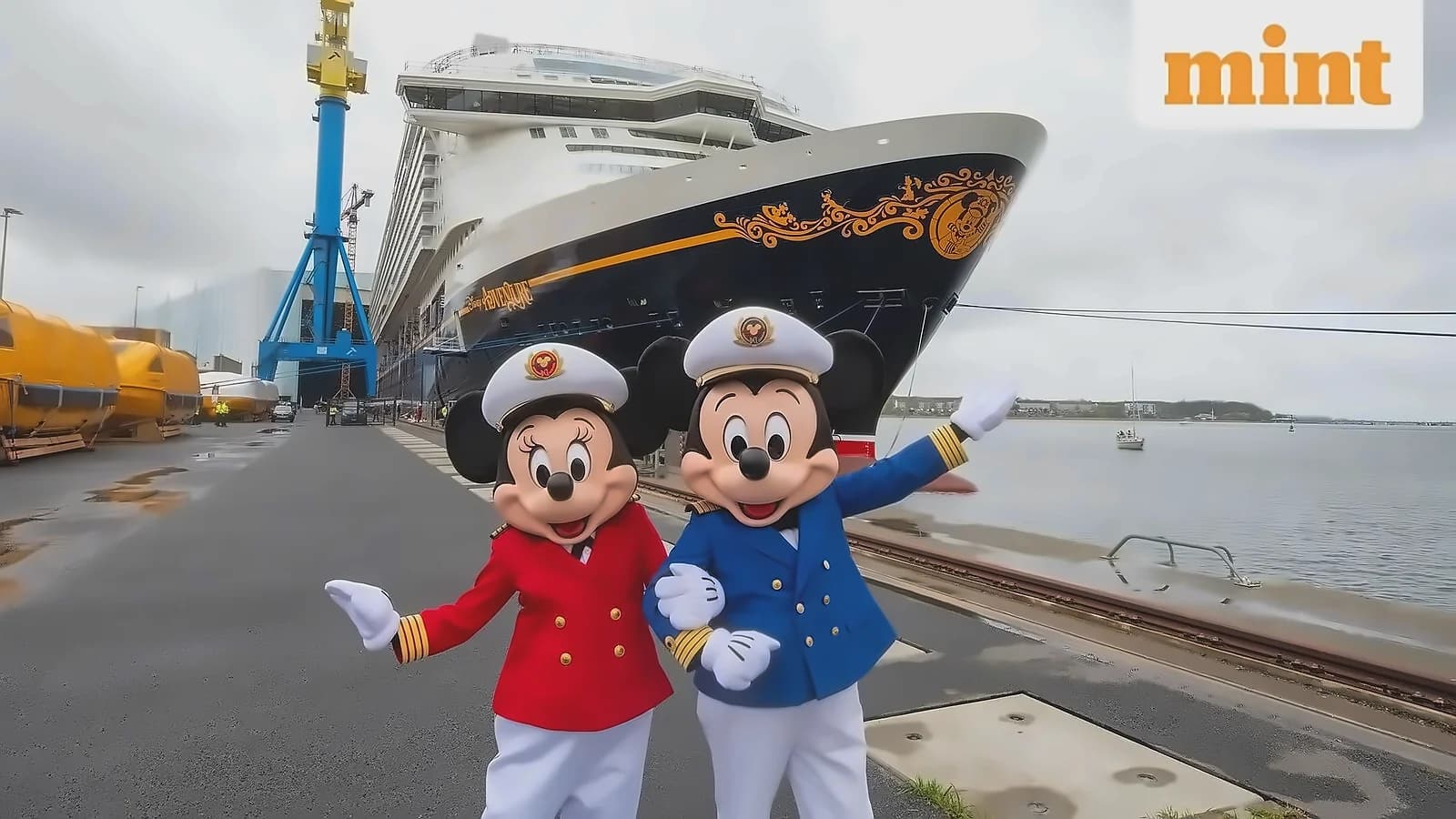
Industry experts emphasize the significant growth potential despite current low penetration rates. As reported by Thomas Cook India, the company estimates that nearly 13% of India's population can potentially afford a cruise holiday, making cruising one of the most affordable vacation options available. The trend is spreading beyond major cities with demand moving into tier-II and tier-III cities, while companies like Tirun Travel Marketing are expanding beyond cruise bookings by bundling flights, visas, insurance and hotels into comprehensive holiday packages. With the India-UK CETA set to come into force shortly, industry leaders believe the discussions have created an opportunity to reposition the UK as a strategic source market for inbound tourism, potentially making it a model for promoting India internationally and attracting more leisure travellers, business visitors and global conventions.