Indian aviation is experiencing unprecedented concentration as IndiGo now controls 66.3% of the domestic market in June 2026, carrying 89.2 lakh passengers according to latest data. The Air India Group holds 23.9% share, while Akasa Air has reached 6.4% despite being less than four years old. SpiceJet maintains 1.9% share, highlighting how roughly nine out of every ten domestic passengers now fly with one of two airline groups. This represents a dramatic shift from 2010 when no single airline controlled even a fifth of the market, with Kingfisher Airlines holding 18.9%, Jet Airways 18.6%, IndiGo 17.6%, Air India 17.3%, and SpiceJet 13.6%. As per Business Standard, the consolidation has left the market with two airlines of consequence - IndiGo and the Air India group, with the rest being small players.
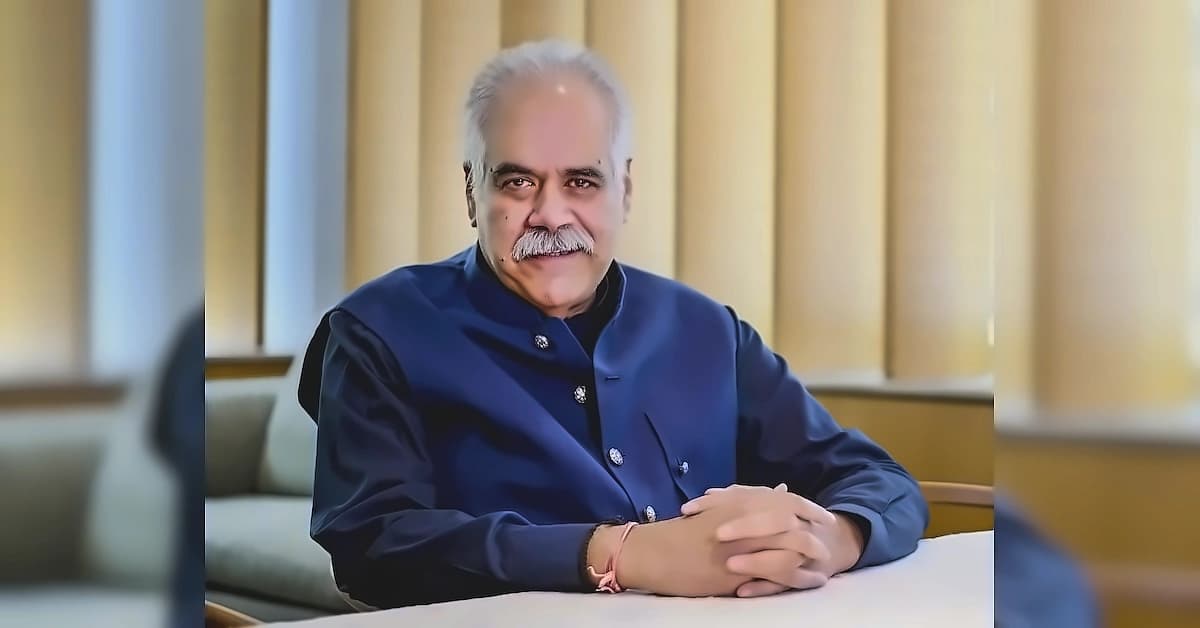
IndiGo MD Rahul Bhatia has defended the airline's market dominance, revealing that 34% of its capacity operates on routes where no rival flies. Speaking to The Economic Times, Bhatia explained that while other airlines can technically operate these routes, they choose not to, creating unique market opportunities for IndiGo. The airline's cost leadership strategy has enabled it to offer affordable fares and maintain the lowest complaint rate among all Indian airlines. Bhatia emphasized that size matters for India to compete globally, citing examples of Emirates, Singapore Airlines, and Qantas as models for building large aviation champions. The Business Standard notes that while some stringent rules, such as the policy requiring airlines to operate within India for five years before going international, have been scrapped, there's need for greater reform to broaden consumer choice.
India's aviation sector is experiencing robust growth with annual passenger traffic estimated at over 400 million, according to government projections. The numbers could exceed one billion by 2047, making India the third-largest domestic market globally. However, the industry faces significant challenges including high taxes on aviation turbine fuel (ATF) and high operational costs due to high airport charges at major centres. The sector has been further stressed by Covid-linked flying restrictions and geopolitical situations barring several routes. As per Business Standard, India's hurdles have been harder to overcome because of the blocking of Pakistan's airspace for international flights, along with regulatory issues linked to pilot fatigue and flight duty time limitations (FDTL).
IndiGo is implementing a phased approach to long-haul operations, with CEO Willie Walsh arriving next week to lead this expansion. The airline plans to initially operate A321 XLR aircraft for six-hour routes, learning from this experience before launching full long-haul services. Bhatia emphasized that IndiGo will maintain its low-cost, single-cabin model domestically while adopting hybrid models for international flights beyond six hours. The airline will rely on partnerships rather than joining traditional alliances, allowing it to maintain operational flexibility and share risks with international partners.
IndiGo faced significant operational challenges in December, with Bhatia attributing the meltdown to multiple factors including new pilot rest rules, cyclones in Chennai, fleet-wide software upgrades, and volcanic ash activity from Africa. The airline was at the centre of regulatory issues in December last year when it failed to comply with norms on pilot fatigue and FDTL, cancelling hundreds of flights and throwing Indian aviation into chaos. The Business Standard describes this as arguably caused by a duopoly situation that also took the issue of pilot shortage centre stage. The airline has since conducted internal reviews, external assessments, and DGCA investigations, working with Oliver Wyman to implement transformational operational changes. Bhatia dismissed criticism of the December incident as "noise" and emphasized that the airline's 19.5 years of clean operating history cannot be undone by a single event.