Marine and fisheries stocks experienced a significant rally on Tuesday following the India-US trade deal announcement, with Avanti Feeds shares jumping 20% to an intraday high of ₹960 on the NSE, while Apex Frozen Foods climbed 19.9% to ₹352.30. The broader market response was even more dramatic, with Sensex jumping 2,375.07 points, or 2.91%, to 84,041.53 and Nifty advancing 723 points, or 2.88%, to 25,811.40 in Tuesday's session. The BSE IT index surged 1,993 points to 38,598, with leading gainers including Genesys International rising 10.49% to ₹335, eMudhra gaining 6.32% to ₹558.40, and Zaggle Prepaid Ocean Services up 5% to ₹296.50. According to Business Today, the rally reflects investor expectations around improved competitiveness and potential recovery in export volumes to the US market, with markets welcoming the trade détente as the Nifty 50 rose nearly 3% and the rupee strengthened over 1% in early trade.
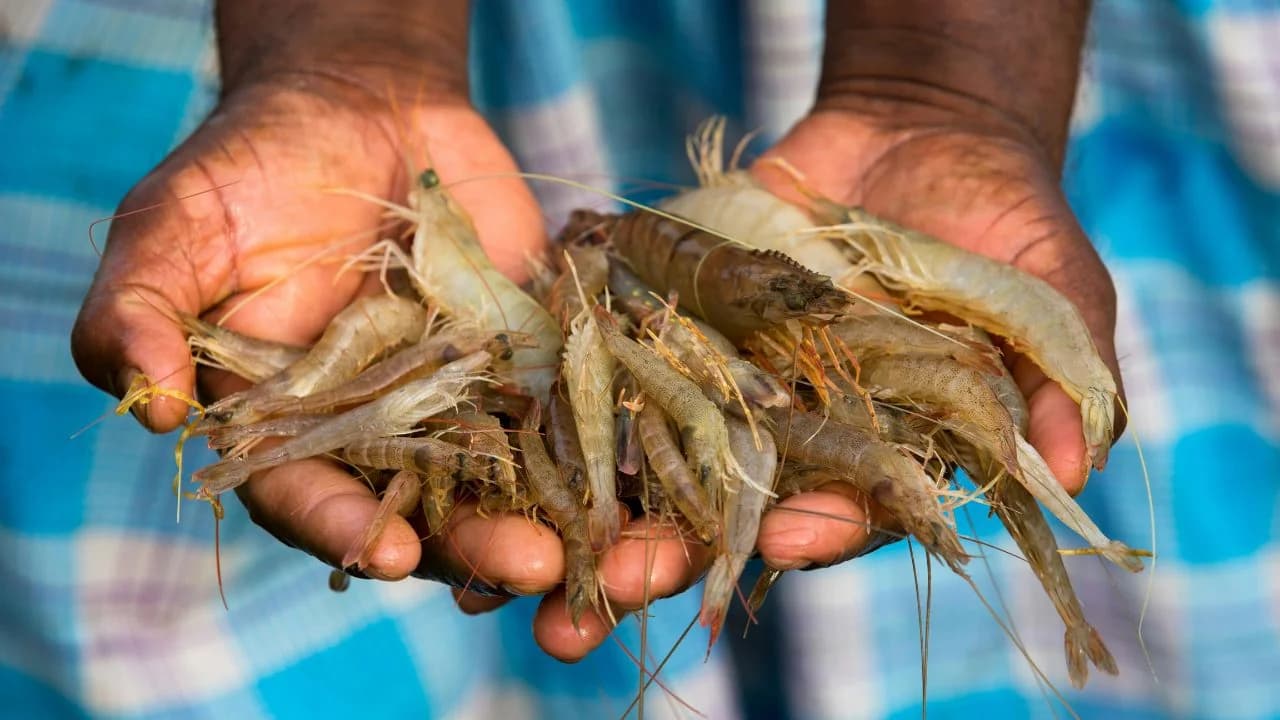
The India-US trade deal has reduced tariff rates on shrimp exports from 50% to 18%, significantly improving the competitive position of Indian seafood exporters in the American market. As per CNBC TV18, this reduction is expected to restore a meaningful part of the competitiveness that Indian shrimp exporters had lost in the US market. Companies that had been grappling with volume losses and margin pressure due to steep tariffs are now expected to see some easing, improving earnings visibility. The new tariff structure positions India competitively against other major shrimp exporters, with India now having an 18% tariff rate compared to Ecuador's 15%, Vietnam's 20%, Thailand's 19%, and Indonesia's 19%. Smaller players like Mexico and Argentina maintain lower tariffs at 10%. The India-US trade deal's sharp tariff reduction from 50% to 18% provides India with a 2% cost advantage over competitors such as Bangladesh and Vietnam, significantly strengthening global competitiveness.
The US remains India's most important market for frozen shrimp, accounting for 41% of export volumes and 48% of export value in FY25. According to CNBC TV18, India exports around 250,000 metric tonnes of seafood to the US every year, valued at about $2.5 billion. The US and China emerged as key destinations for India's seafood exports, with frozen shrimp remaining the largest export item. In FY25, seafood exports stood at ₹62,408 crore, or $7.45 billion. The US accounts for nearly 48% of India's shrimp exports, making the sector especially vulnerable to trade disruptions during the high-tariff phase when Indian garments faced effective duties that stripped them of competitiveness against rivals such as Bangladesh, Vietnam and Sri Lanka.
The central government announced an export promotion scheme for five years with a total outlay of ₹25,000 crore to help exporters deal with tariffs. Earlier in September 2025, Andhra Pradesh Chief Minister N Chandrababu Naidu had indicated that US tariffs may have resulted in losses of ₹25,000 crore for India's shrimp exporters, with up to half of export orders facing cancellations. According to MPEDA data, Andhra Pradesh accounts for nearly 80% of India's shrimp exports, valued at over ₹21,000 crore annually. Despite the challenges, companies like Avanti Feeds reported an 18% YoY jump in topline in Q2FY26, while Apex Frozen Foods witnessed a nearly 20% jump in revenue for the same period, led by diversification into newer markets and geographical expansion.
The BSE IT index has gained 1.67% and Nifty IT index has risen 2.41% in 2026 amid India-US tariff showdown, with Tuesday's rally showing continued momentum. According to Business Today, the US accounts for a significant portion of India's total IT and software services exports, with estimates suggesting US share can be as high as 70% of India's total IT export revenue. In Tuesday's session, Infosys shares rose 2.4% to ₹1668.75, HCL Technologies gained 1.78% to ₹1706, TCS inched 1.45% higher to ₹3218, and Tech Mahindra stock rose 0.77% to ₹1737.05. The tariff reduction is expected to address concerns around inventory pile up and working capital stress that had been affecting the sector, with exporters likely to claw back market share in the US market. The deal comes amid an active phase of India's trade diplomacy, following agreements with the UK, European Union, Oman and New Zealand, giving exporters greater scope to diversify markets and hedge against future trade volatility.