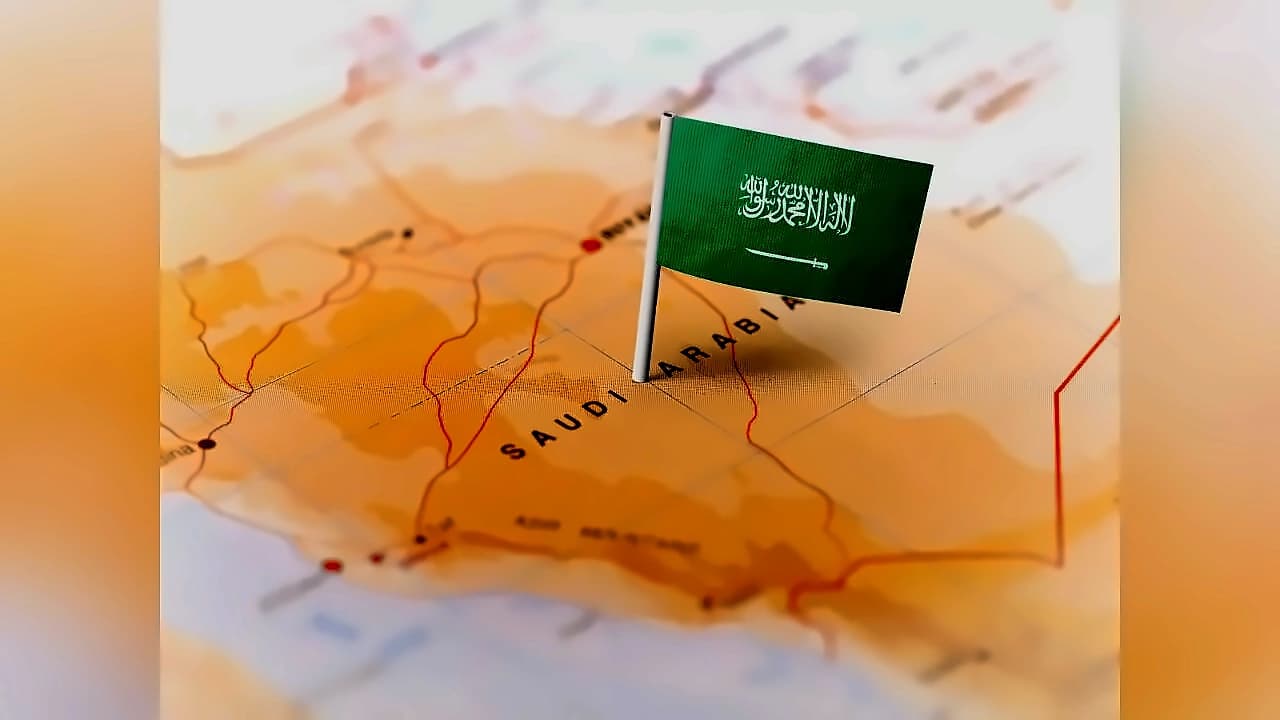
India has reached a landmark tripartite agreement between the Centre, Assam, and Nagaland governments to unlock oil and gas exploration in the Disputed Area Belt (DAB), a 1,100 square kilometre contested zone along the 512 km Assam-Nagaland border. According to reports from Business Standard, the pact was signed in early June 2026, marking the end of an eight-year negotiation process that began with a 268-page report released in February 2016 by then Oil Minister Dharmendra Pradhan. The agreement establishes a committee comprising officials from all three governments to resolve disputes and complexities that have prevented exploration since the early 1990s.
The DAB, part of the Assam-Arakan basin, represents one of India's most promising oil-bearing areas with in-place reserves estimated at 250 million barrels according to ONGC and other developers, with a recovery ratio of 30-40%. As reported by Business Standard, these reserves account for 15% of Northeast India's total hydrocarbon reserves. The government expects a recovery value of over ₹15,000 crore from the six identified hydrocarbon-bearing fields in the DAB. The area is particularly significant as it falls between prolific hydrocarbon-producing regions of Bangladesh and Myanmar, where gas is the main constituent of hydrocarbons produced.
Despite the agreement, significant obstacles remain for exploration. According to Business Standard reports, the DAB is divided into six sectors, with four sectors in Golaghat district containing reserve forests under encroachment. Around 10,500-11,000 bighas of land, or 3% of the DAB, are currently encroached upon by people. The area faces steep environmental, infrastructural, and security hurdles, with experts noting the need for heavy drilling equipment across hilly areas and thick forests. Companies like Essar Oil and Gas are evaluating opportunities, with CEO Pankaj Kalra stating they will actively look at fresh bidding opportunities in the area.
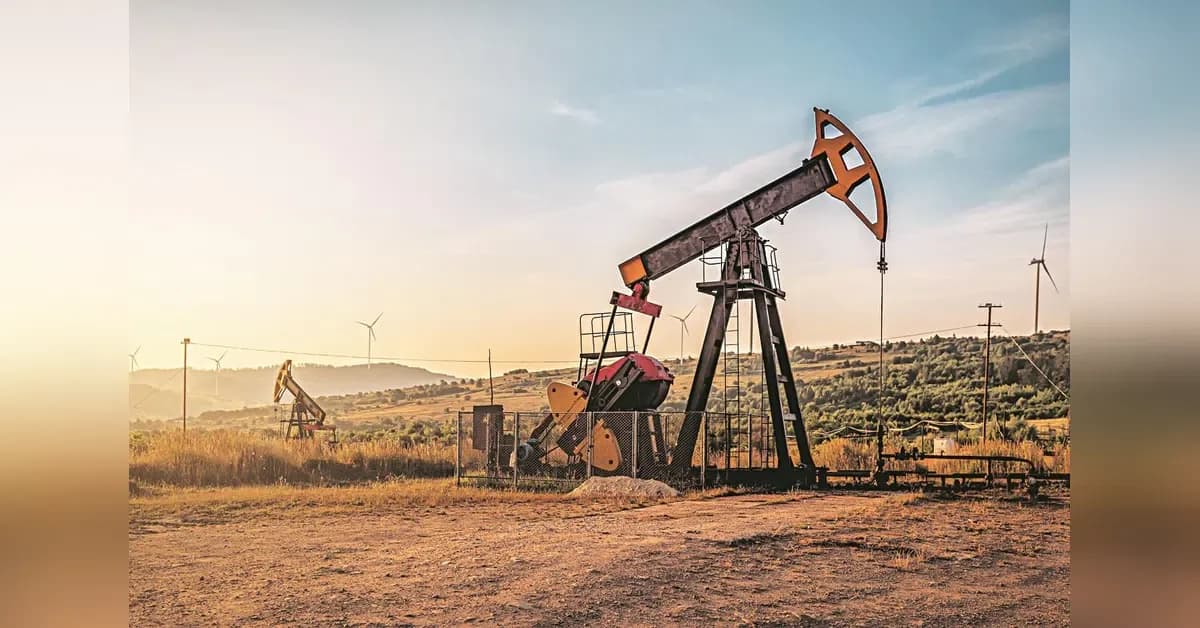
The agreement comes amid India's 90% import dependence on oil, creating urgency to exploit discovered areas. As reported by Business Standard, the DAB has very high potential according to former ONGC exploration director Sushma Rawat, who noted that ONGC had proven oil presence there in the late 1980s but operations ceased due to political and social issues. The pact addresses two key issues: the border dispute between Assam and Nagaland, and the complexities of Nagaland's Article 371A, which grants special rights over land and resources. The Union home ministry serves as the referee for the agreement.
The Nagaland Pradesh Congress Committee's Political Affairs Committee has raised significant concerns about recent developments in the oil exploration agreement. According to Living Media India Limited, the PAC demanded full transparency and cautioned that any compromise on Nagaland's rights over land and revenue sharing would be unacceptable. The committee expressed concern over the recent tripartite Memorandum of Understanding (MoU) signed between the governments of Assam and Nagaland under the aegis of the Union Ministry of Home Affairs to resume crude oil and natural gas exploration along the disputed inter-state border. The PAC also criticised both the Government of India and the Nagaland government for delays in implementing the Frontier Nagaland Territorial Authority (FNTA) and questioned the state government's demand for appointing a political interlocutor at the ministerial level. The committee termed the delay in operationalising the FNTA agreement as unacceptable and called for swift resolution of pending matters to meet the aspirations of people in the Eastern Nagaland People's Organisation (ENPO) areas.