India's Competition Commission of India (CCI) has made Anheuser-Busch InBev a target of a cartel investigation after the world's leading brewer cooperated for four years as a witness. According to reports from Reuters, AB InBev's status in the case was changed from a third-party to 'party under investigation' in November 2025, which the company argued was illegal as 'no prior notice, hearing, or reasoned order preceded this drastic alteration'. The shift comes as the CCI continues its ongoing probe, launched in 2022, into allegations that alcohol retailers in Telangana colluded to favour AB InBev's products while sidelining rival brands. The investigation initially focused on 42 alcohol retailers in Telangana who are accused of forming a cartel that allegedly excluded rivals, which reportedly benefited AB InBev's brands like Budweiser and Corona. AB InBev itself was raided in 2024 as part of this inquiry.
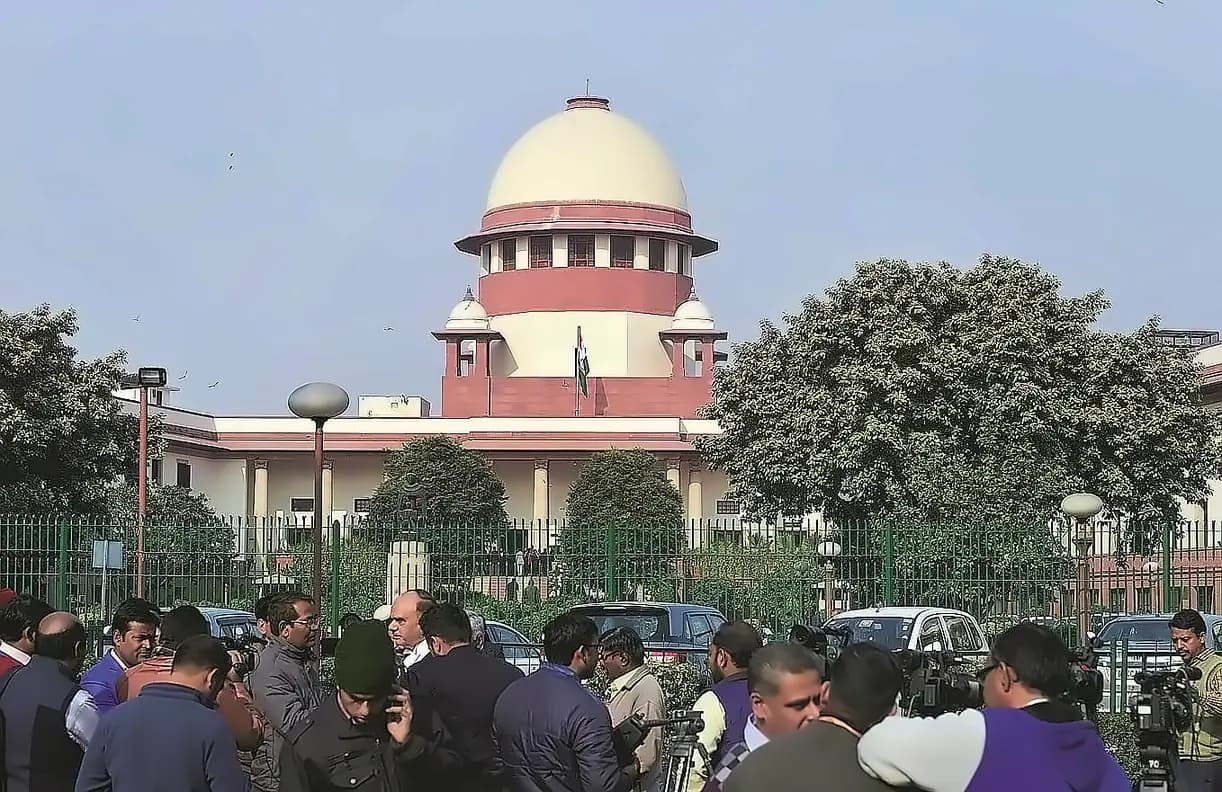
In a brief court hearing on April 16, 2026, a judge in southern Karnataka state put the investigation against AB InBev on hold, as reported by Reuters. The court order has not yet been made public, but sources indicate the court took the decision as it saw merit in AB InBev's concerns. Courts across India have had differing views on whether a third party can be made an accused without notice, with lawyers noting that making a company a 'party under investigation' is a significant change that compromises rights of defence. The brewer has since challenged the decision in court, securing a temporary halt to the investigation against it. Sources indicate the court recognized merit in AB InBev's arguments, offering the company immediate legal relief while its final status in the CCI's investigation remains undetermined.
The case involves India's $10 billion beer market, where Heineken accounts for roughly half the market while AB InBev and Carlsberg each account for 19%, according to the Brewers Association of India. If the CCI succeeds in overturning the court block, AB InBev will be exposed to penalties that could be as much as three times its profit or 10% of the company's turnover for each year of wrongdoing, as outlined in the Competition Act. The case represents the toughest regulatory move against the sector since Heineken-controlled United Breweries and Carlsberg were fined more than $100 million collectively in 2021 after being found guilty of price collusion. The Indian beer market is expected to see significant growth, projected to reach an estimated ₹477.05 billion in 2025 and grow to ₹832.93 billion by 2034, a compound annual growth rate of 6.45%, driven by rising incomes, urbanization, and a move towards premium and craft segments.
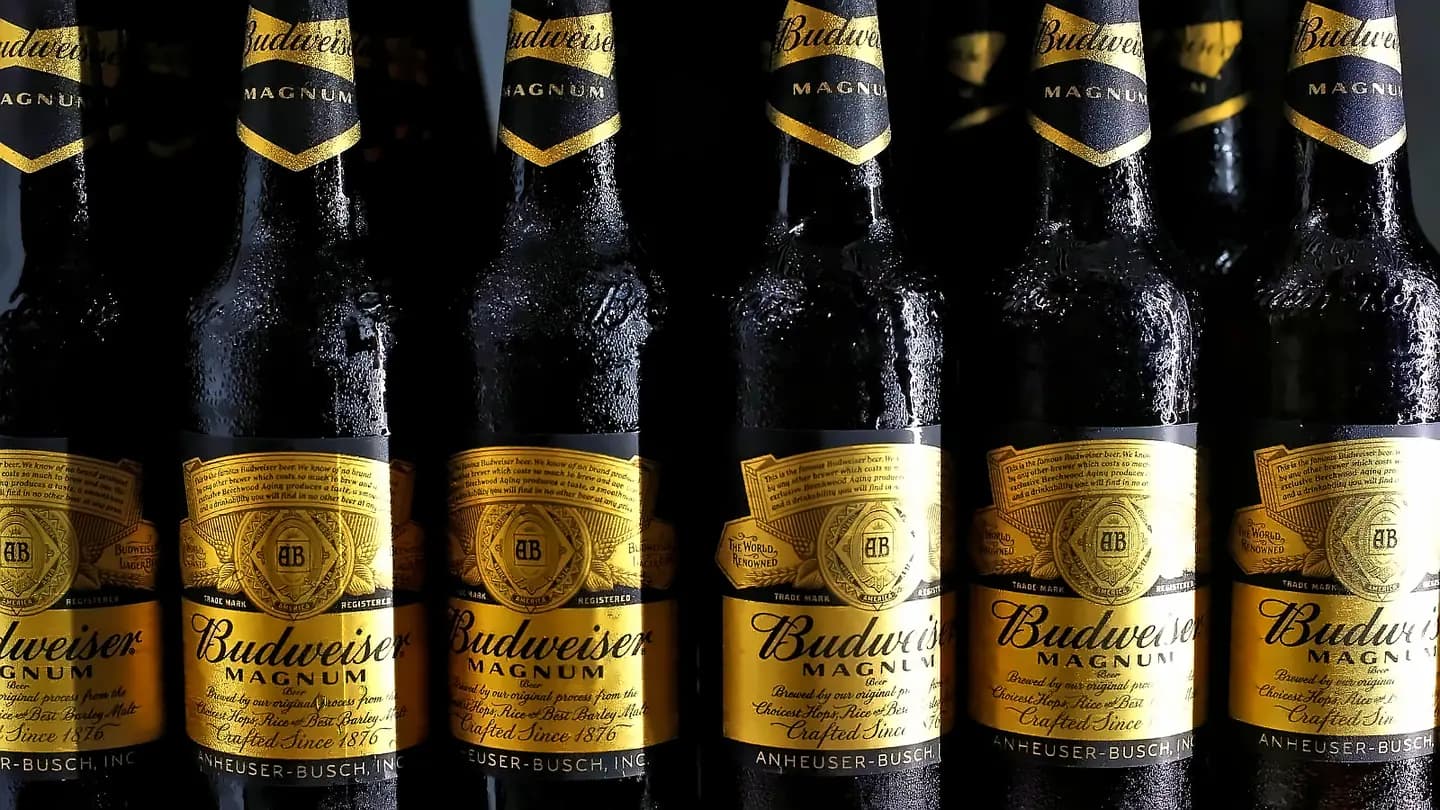
According to Reuters, the CCI found merit in allegations that scores of retailers had entered into arrangements to stock and sell AB InBev beers while excluding products from Heineken, United Breweries and Carlsberg. The regulator also said it had found retailers were eligible to receive special incentives for promoting AB InBev products exclusively. AB InBev has denied wrongdoing, stating there is no evidence of coordinated action among retailers to boycott rival brands. The brewer has privately told the CCI the case should be dismissed as the agency had failed to provide evidence showing communication between retailers to boycott non-AB InBev beers, while continuing to cooperate with authorities between 2023 and 2025 before realizing it was under investigation. The CCI's leniency program, which offers reduced penalties for cartel participants who provide information, is key to this case, with regulations updated in February 2024 to include 'leniency plus' provisions.
This situation carries risks for AB InBev beyond potential financial penalties, as the company has faced prior regulatory scrutiny including a $6 million settlement with the U.S. SEC in 2016 for alleged bribery aimed at boosting sales in India. Indian tax authorities also accused the company of tax avoidance and price cartelization in 2019. Although AB InBev previously acted as a whistleblower in a 2021 price collusion case against United Breweries and Carlsberg, leading to over $100 million in fines for them, its current position suggests cooperation doesn't always ensure immunity. This outcome could discourage other companies from using leniency programs, particularly as competitors may have resolved past issues while AB InBev's current legal troubles could reduce investor confidence and hinder expansion plans. The case is being closely monitored by multinational corporations in India, as its outcome could affect their future compliance strategies and willingness to cooperate with antitrust authorities.