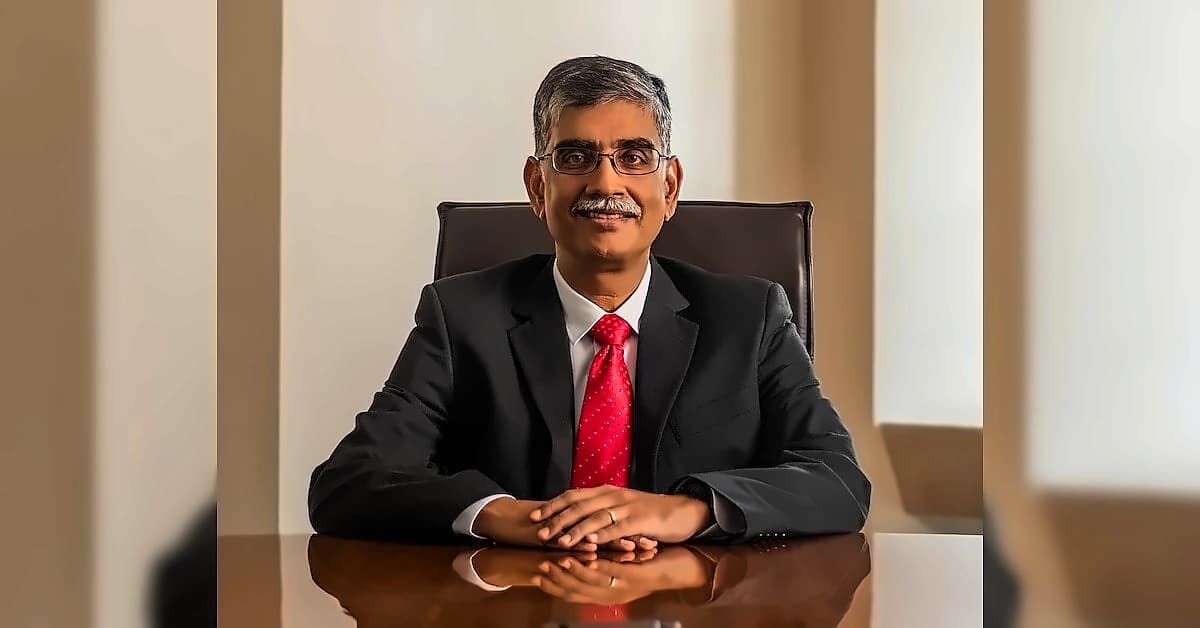
TCS Chairman N Chandrasekaran announced that the company is preparing for a future where artificial intelligence agents could match the size of its human workforce within the next three years. Speaking at TCS's 31st Annual General Meeting, Chandrasekaran said the company is aggressively adopting AI across its internal operations, client solutions and business frameworks. "I predict that over the next three years, TCS will have as many AI agents as human employees," he stated, adding that the day is "not very far" when the company will operate with an equal number of AI workers and human employees. The transformation comes as nearly three-fourths of enterprises globally expect technology spending to increase over the next two years, largely driven by AI adoption. Chandrasekaran dispelled concerns that AI poses a fundamental threat to the Indian IT services model, instead framing AI as "the most significant opportunity" in the company's history.
According to reports from Moneycontrol, N Chandrasekaran emphasized India's continued economic strength during the 63rd annual general meeting of Tata Consumer Products. The Tata Sons Chairman highlighted that India remains a bright spot in the world and continues to be the fastest growing major economy, primarily driven by demographic strength and expanding physical and digital infrastructure. He noted that the year began with positive developments including the signing of the landmark EU trade agreement and the interim India US trade deal, though early March brought concerns with the start of the West Asia crisis. Despite these global challenges, Chandrasekaran highlighted that TCS delivered robust financial results in FY26.
Chandrasekaran projected that AI will drive the global enterprise IT industry from its current value of $1.6 trillion to $3 trillion within the next decade. Addressing investor anxiety following a drop in the Nifty IT index triggered by the rise of agentic AI systems, he emphasized that AI is more than just a technology; it is an "infrastructure of intelligence". The Chairman noted that as the cost of intelligence declines, more business processes will shift towards AI-driven systems, with businesses increasingly prioritizing resilience, business continuity, productivity and trust-based decision-making over pure efficiency. He outlined five major growth opportunities emerging from the AI revolution: modernising legacy technology systems, redesigning business processes using AI across supply chains and customer experience, managing AI agents for security and compliance, building sovereign AI initiatives (with TCS already launching sovereign AI in India and Europe), and implementing physical AI in real-world environments.
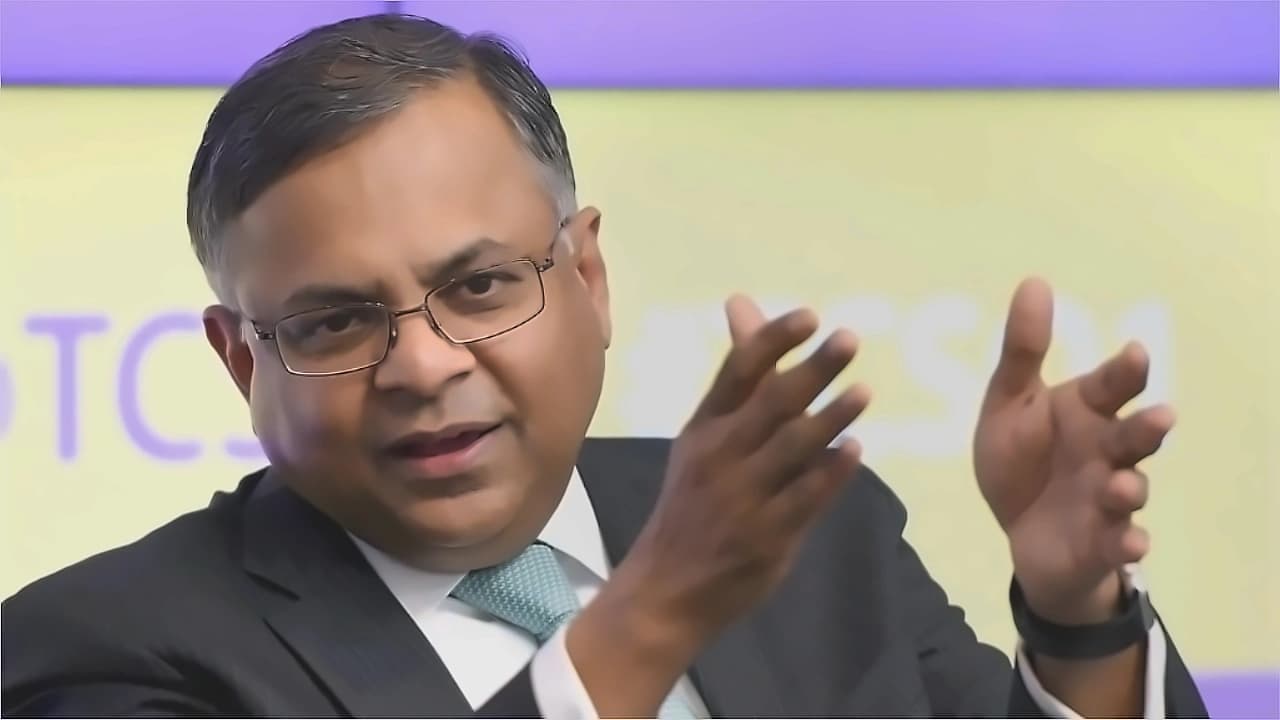
TCS reported consolidated revenue of ₹2.67 lakh crore in FY26, registering a 4.6 per cent year-on-year growth, while net profit increased 8.8 per cent to ₹52,820 crore. The company's total contract value crossed USD 40.7 billion during the year. Both operating and net margins hit their highest levels in four years, with the company achieving record margins despite challenging global conditions. However, India's largest IT giant announced layoffs in the second quarter over the AI impact on business, reflecting the industry-wide transition as companies adapt to AI-driven changes. The strong financial performance and positive outlook come amid broader global trends including geopolitical shifts, supply chain disruptions, energy transition, and rapid advancements in AI.
As reported by Storyboard18, Zerodha co-founder Nithin Kamath has highlighted what he calls 'heat inequality' - a growing divide in India where rising temperatures disproportionately affect lower-income communities and outdoor workers. Kamath noted that India has been experiencing a steady rise in temperatures over several decades, describing this as a one-way journey unless humanity makes a dramatic course correction. While near-universal electrification has expanded power access, ownership of air coolers and air conditioners remains largely concentrated among higher-income households, leaving basic cooling solutions like fans insufficient for many workers. The entrepreneur emphasized that for many Indians, staying indoors when temperatures rise is simply not an option due to income constraints that prevent workers from avoiding dangerous heat exposure.