Domestic passenger vehicle dispatches to dealers reached 437,312 units in April 2026, marking a 25.4% year-on-year growth according to data released by the Society of Indian Automobile Manufacturers (SIAM). This performance represents the highest-ever monthly sales for the passenger vehicle segment, continuing the strong momentum from the second half of FY 2025-26. As reported by SIAM, the growth was driven by sustained demand across all vehicle categories, with the first month of FY 2026-27 posting high double-digit growth across all segments. This performance is in line with the continuing sales momentum following the GST rate cut implemented in the second half of FY 2025-26. According to SIAM Director General Rajesh Menon, the industry has been witnessing good demand despite concerns over high commodity prices from West Asian disruptions. The record performance came despite several automakers beginning the month with price hikes of up to 3% due to higher input costs.
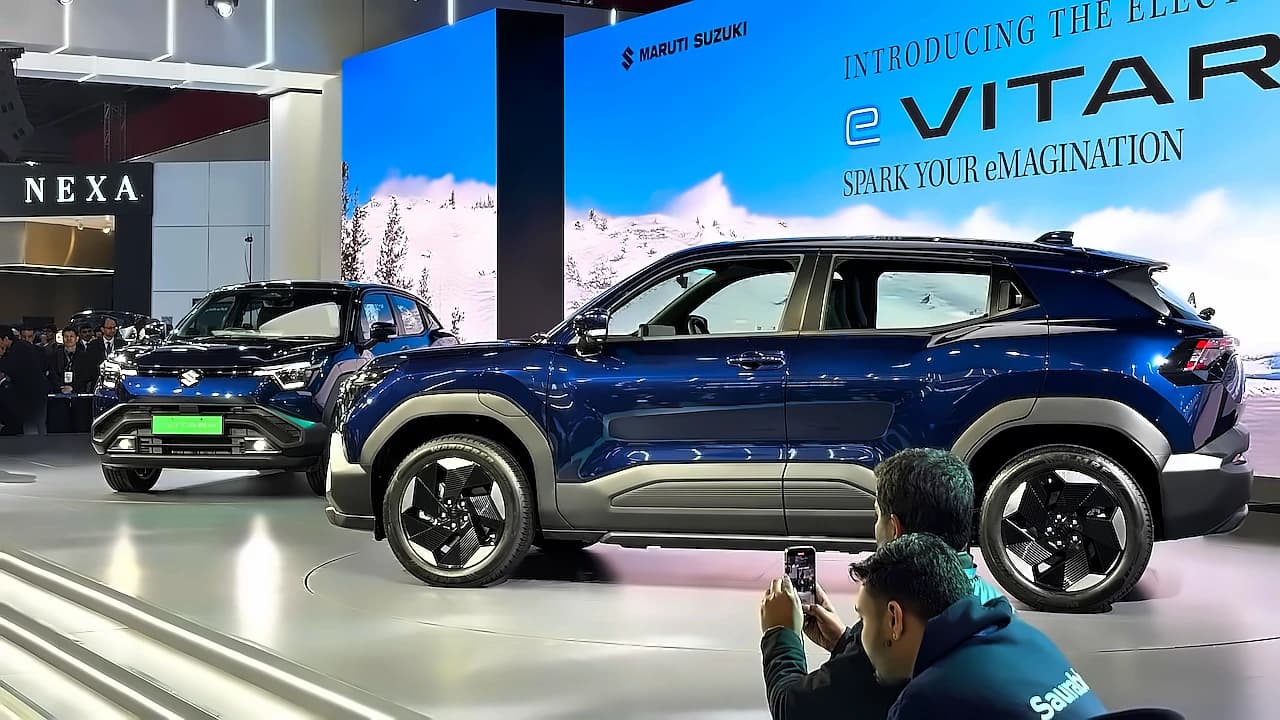
Market leader Maruti Suzuki India (MSIL) recorded its all-time high monthly sales of 1,87,704 units in April against 1,38,704 units in April 2025, achieving a remarkable 35.3% growth. The company's small car segment demonstrated exceptional performance with 74.4% year-on-year growth during the month. Tata Motors Passenger Vehicles also delivered strong results with domestic wholesales of 59,000 units in April, up 30.5% year-on-year against 45,199 units in April 2025. Mahindra & Mahindra reported an 8% increase in domestic wholesales to 56,331 units, compared to 52,330 units in the same month last year. Hyundai Motor India achieved its highest-ever monthly sales for any April with domestic wholesales of 51,902 units, representing a 17% year-on-year growth compared with 44,374 units in April 2025.
The automotive sector witnessed broad-based growth across segments, with two-wheeler sales reaching 18,72,691 units in April, up 28.4% year-on-year compared to 14,58,784 units in April 2025. According to SIAM data, the two-wheeler segment showed strong performance across both motorcycles and scooters. Motorcycle sales grew by 30.6% year-on-year to 11,38,452 units (against 8,71,666 units in April 2025), while scooter sales increased by 26.2% year-on-year to 6,91,993 units (against 5,48,370 units in April 2025). The three-wheeler segment also posted strong performance with 65,668 units, registering a 32.8% growth compared to 49,441 units in April 2025, achieving its highest-ever sales of 0.66 lakh units in April 2026. The total production of all vehicle categories including passenger vehicles, three-wheelers, two-wheelers and quadricycles reached 29,22,427 units in April, demonstrating the robust performance across all automotive segments.

In terms of exports, the grand total of all categories grew by 38% year-on-year to 6,28,128 units in April over 4,55,330 units in the year-ago period, as per the latest data shared by SIAM. The Federation of Automobile Dealers Associations (FADA) data showed the domestic auto retail industry opened FY 2026-27 on an exceptionally strong note, retailing a record 26,11,317 units in April with 12.94% growth. Two-wheeler retail sales reached 19,16,258 units, marking the best-ever April performance for this category, with urban markets growing 14.07% and rural markets expanding 12.30% year-on-year. The strong retail performance reflects sustained consumer demand across India's automotive market, with the industry maintaining positive momentum despite global commodity price pressures.
Despite challenges at its luxury arm Jaguar Land Rover, Tata Motors reported strong domestic passenger vehicle performance with quarterly passenger vehicle and EV volumes rising 37% to 201,800 units in Q4 FY26. The company's Tata PV division achieved record annual sales of over 6.4 lakh units with 15% year-on-year growth, emerging as the #2 ranked player in H2 FY26. Tata Motors maintained its leadership in electric vehicles with a 40.2% EV market share during FY26, while EV penetration in its portfolio stood at 14% and CNG vehicles accounted for 27% of annual sales. The company crossed cumulative EV sales of 250,000 units during the year, with annual EV volumes growing 43% to more than 92,000 units. Tata Motors reported a 31.7% decline in consolidated net profit to ₹5,783 crore for Q4 FY26, weighed down by higher raw material costs and continued pressure at JLR, though revenue from operations rose 7.2% year-on-year to ₹1.05 lakh crore. The company's board has recommended a final dividend of ₹3 per share for the financial year ending March 2026, to be paid by July 14.