India Inc is preparing for another year of aggressive capital expenditure with investments increasingly aligned toward energy security, manufacturing expansion, infrastructure creation and emerging consumption trends. According to ICICI Securities' latest strategy report, corporate India's 2026-27 financial year (FY27) investment pipeline suggests that companies are prioritising capacity creation over caution despite geopolitical uncertainty and uneven global growth. As reported by ICICI Securities, the brokerage noted that nearly 2,000 listed companies had already reported aggregate capex of nearly ₹10.5 trillion in FY26, up around 15 per cent year-on-year, indicating that the investment cycle remains intact and signals a strong push toward tech innovation and sustainable growth across industries.
The recent geopolitical developments, including military conflicts and trade disruptions, are catalysing demand across defence manufacturing, energy security and critical raw materials. According to ICICI Securities, companies such as Hindustan Aeronautics (HAL), Bharat Electronics (BEL), Solar, Power Grid, Adani Group companies, Tata Power, Torrent Power, Tata Steel, SAIL, JSW Steel, Coal India, BPCL and Indraprastha Gas have provided robust capex outlays for FY27 and beyond for enhancing manufacturing capacity. The brokerage highlighted that demand for defence manufacturing, reliable supply of energy sources and critical minerals globally has jumped considerably in the backdrop of Russia-Ukraine, and Iran-US/Israel wars. In defence, Hindustan Aeronautics will invest ₹12,000 crore over five years, while NTPC Green Energy is putting ₹35,800 crore toward renewables.

Among the largest announced programmes, Adani Green Energy has guided for ₹40,000–42,000 crore of capex in FY27, while Power Grid Corporation has maintained a ₹37,000-crore capex plan for the year and outlined a further rise to ₹40,000-45,000 crore in FY28. In the oil and gas space, Indian Oil Corporation (IOC) has earmarked ₹32,700 crore for FY27, with the majority directed toward refining and pipeline infrastructure, alongside ₹5,000 crore for renewable energy projects. Meanwhile, BPCL plans to invest ₹25,000 crore, spanning refining, petrochemicals, marketing infrastructure and city gas distribution expansion.
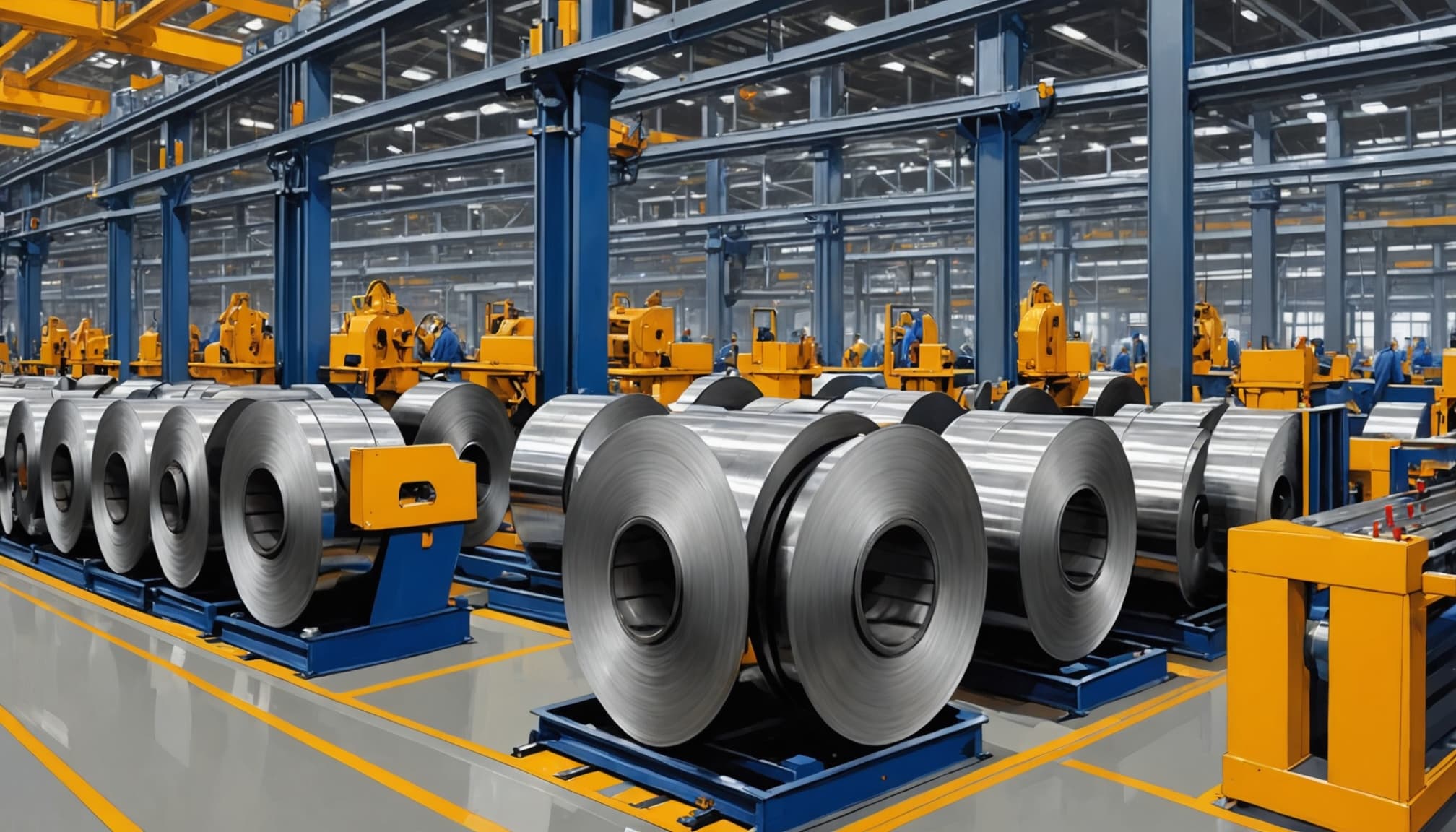
The metals sector is entering a fresh investment phase, with JSW Steel guiding for ₹22,000–24,000 crore of capex in FY27, with a broader pipeline of over ₹1.26 trillion planned over the next four to five years. Tata Steel plans ₹20,000 crore of capex in FY27, with more than 60 per cent of spending allocated to India. Hindalco Industries has indicated domestic capex of ₹12,000 crore, in addition to planned investments at Novelis globally. In mining, Coal India has laid out a ₹1 trillion capex roadmap over FY27-FY31, with annual spending for FY27 expected between ₹18,000-25,000 crore.
Beyond traditional sectors, ICICI Securities sees a strong capex cycle emerging across 'new-age' industries. The brokerage highlighted continued investment momentum in data centres, green energy, electric vehicles, semiconductors and quick commerce infrastructure. In telecom, Bharti Airtel is building 56 edge data centers and maintaining overall FY27 capex at around ₹45,500 crore, while expanding edge data centres and strengthening fibre infrastructure. Among consumer-facing businesses, quick commerce continues to scale rapidly, with Blinkit targeting around 1,000 new dark stores during FY27, reflecting growing confidence in instant delivery economics. In automotive, Maruti Suzuki is committing ₹14,000 crore and TVS Motor will spend ₹3,500 crore on product development, capacity addition and R&D, signalling a strong push toward tech innovation and sustainable growth across industries.