Indian Immunologicals Limited (IIL) issued a clarification on Saturday stating that Abhayrab anti-rabies vaccine vials declared Not of Standard Quality (NSQ) and misbranded by a government laboratory were not manufactured by its human health division, Human Biologicals Institute (HBI). According to reports from Reuters, the clarification came after the Central Drugs Laboratory (CDL), Kasauli, classified vials bearing Abhayrab batch number KE25012 as NSQ and misbranded. The samples had been collected by the Central Drugs Standard Control Organisation (CDSCO) from an unlicensed residential premises in Mukherjee Nagar, Delhi. IIL stated it had submitted its manufacturing, quality-control, reconciliation and distribution records to CDSCO on August 14, 2026, following a specific representation on September 4.
The laboratory identified 17 differences between the questioned vials and genuine retention samples of the same batch that HBI had submitted for batch release, as reported by Reuters. Based on these findings, it was established that the vials examined by the laboratory were not products manufactured by HBI. The sample passed sterility, moisture and identity tests, but the laboratory found significant differences including discrepancies in labelling, artwork, QR-code verification, cap colour, licence details and packaging text. IIL stated it had submitted its manufacturing, quality-control, reconciliation and distribution records to CDSCO on August 14, 2026, following a specific representation on September 4. The company emphasized that the genuine batch KE25012 had been tested and released by the Central Drugs Laboratory, with the released quantity of 83,370 vials supplied only through its authorised distribution channel.
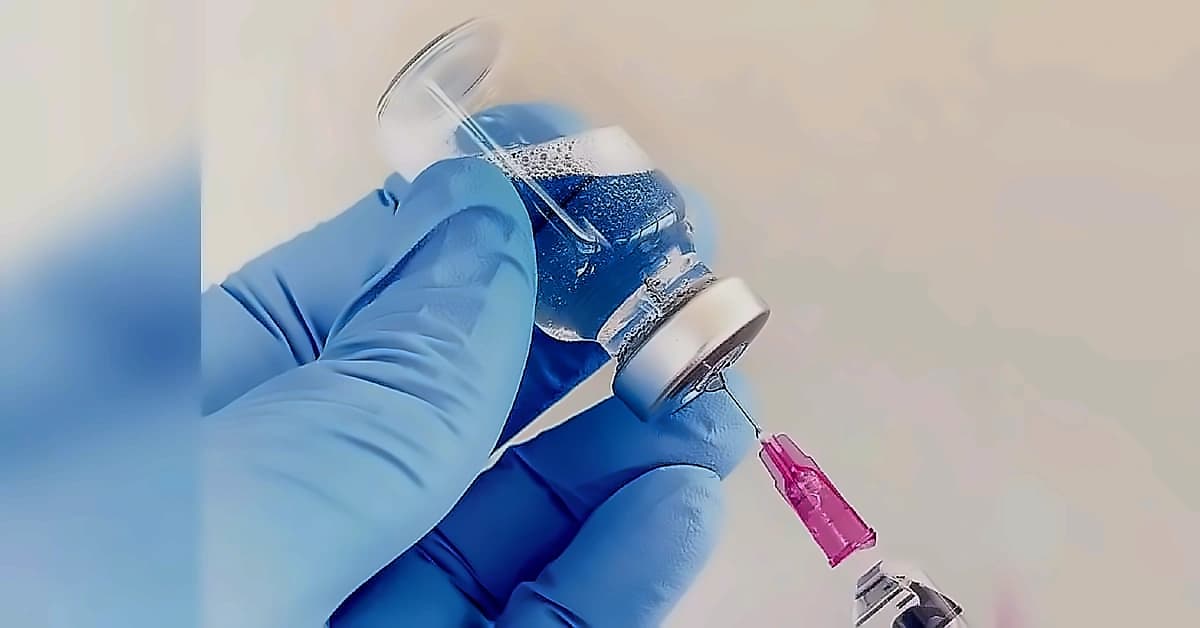
In an August 27 letter to state drug regulators, Drugs Controller General Rajeev Singh Raghuvanshi asked officials to maintain "strict vigilance" over the movement and distribution of Abhayrab batch KE25012 and take regulatory action as necessary, according to the government document cited by Reuters. The regulator said the findings raised concerns about the sample's identity and authenticity and warranted an investigation into whether it could be a spurious drug under India's Drugs and Cosmetics Act. IIL stated it had, through a representation to the Drugs Controller General of India dated September 4, asked the authorities to trace the source of these vials and act against those responsible, while extending its full cooperation to the investigation. The company noted that no market complaint has been received in respect of the batch Number KE25012.
Abhayrab has faced issues involving counterfeit vials in the past. According to Reuters, in January 2025, Indian Immunologicals notified the drug regulator that counterfeit doses bearing batch number KA24014 had entered the market. Authorities in the United States, Britain and Australia subsequently issued alerts for travellers who may have received the vaccine in India. IIL had then said the incident was isolated and that the affected batch was no longer in circulation. The company stated at the time that it had not manufactured the counterfeit batch and that the incident was isolated. This latest finding marks the second time concerns have been raised about counterfeit Abhayrab doses, highlighting ongoing challenges in vaccine supply chain integrity.
According to Reuters, Abhayrab has around 40 per cent share of the Indian rabies vaccine market and is priced at around ₹300-390 per dose. The company said in December that more than 210 million doses had been supplied across India and 43 countries over more than two decades. IIL stated that vaccines administered at hospitals, clinics, government facilities or licensed pharmacies reach patients through the released and authorised supply chain and are not affected by this matter. The company emphasized that every batch of Abhayrab is released for sale only after independent testing and batch-release certification by the Central Drugs Laboratory.