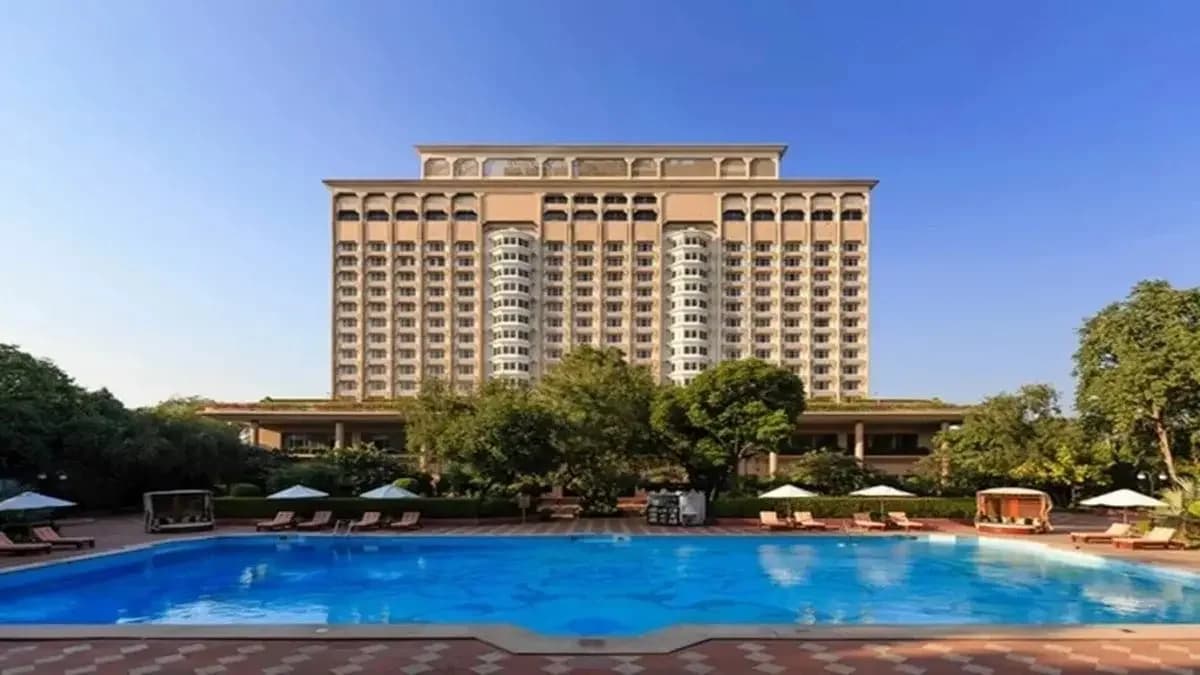
Indian Hotel Company (IHCL), the hospitality arm of Tata Group and parent of Taj hotels, has announced a significant capital expenditure plan of ₹6,000-7,500 crore over the next five years. According to reports from The Times of India, chairman and non-executive director N Chandrasekaran revealed this investment commitment during the company's 125th annual general meeting on Tuesday. The chairman emphasized that this substantial investment will be funded through internal accruals, demonstrating the company's strong financial position. The commitment represents a ₹1,500-2,000 crore annual outlay over 60 months, with the company maintaining its focus on brand diversification, new property launches, and asset-right scaling. The investment will also include digital applications, cybersecurity, and human resources to maintain quality standards and enable the company to benefit from AI tools.
A key component of the investment plan involves the upcoming Taj Bandstand project, which will feature over 500 rooms and is currently in the final stages of design finalization. As reported by The Times of India, the expenditure on this property alone is expected to be around ₹2,000 crore, with the project expected to be ready by FY2030-31. This flagship property will be a 50-storey, 500-plus-room property in Mumbai's Bandra suburb, spanning two acres and 50 floors near Bandra Fort. The investment will target Tier-1 city renovations and expansion into high-potential leisure destinations, with the company positioning itself to capitalize on India's rising per capita discretionary spend. Chairman Chandrasekaran expressed optimism about the project, stating that the company hopes it will be "an iconic property."
IHCL's latest quarterly performance demonstrates robust growth momentum, with the company expected to post revenue per available room (RevPAR) growth of 11-12% in Q1FY27. According to analysts led by Vikas Ahuja of Antique Stock Broking, this growth was driven by strong domestic demand, which compensated for lower foreign tourist arrivals, along with incremental demand from rescheduled weddings and large-scale diplomatic events like BRICS 2026. The company is guiding for double-digit revenue growth of 12-14% in FY27, with topline growth expected at 14% including contributions from acquisitions and the 100-key addition at Varanasi. Brokerages maintain positive outlook on the stock, with Motilal Oswal Research maintaining a buy rating and target price of ₹820, while ICICI Securities has revised its target price upward to ₹925.
IHCL has demonstrated significant portfolio expansion in recent years, with the company signing 250 properties in FY 2026, increasing its portfolio to 630 hotels. According to The Times of India, the company opened 132 new hotels during the same period, with the operating portfolio reaching 373 hotels with 33,000 rooms. Under the company's Accelerate 2030 plan, a target of ₹15,000 crore in consolidated revenue has been set, along with expansion to 700-plus hotels from the current 630, of which 375 are presently operational. The total portfolio expanded to 630 hotels on a cumulative basis, with most incremental room additions coming from the capital-light expansion model. Strategic additions across wellness, boutique and experiential leisure segments, coupled with 14 major brands, position the company to achieve its target of 700 hotels by 2030.
IHCL's financial strength supports its ambitious expansion plans, with the company maintaining a net cash position of ₹4,300 crore as of March 2026. According to The Times of India, the company generated free cash flows of around ₹1,200 crore annually, allowing it to incur capex of ₹1,000-2,000 crore annually. In May 2026, IHCL reported its strongest fiscal performance to date, achieving a consolidated EBITDA margin of 33%. The company's strong balance sheet provides significant room for both organic and inorganic growth, with analysts led by Sumit Kumar of JM Financial Research noting that gross liquidity exceeding ₹4,300 crore provides multiple levers for expansion. The company's asset-light growth strategy includes 31,000 rooms in the pipeline over the next four to five years, higher contribution from new businesses, and same-store growth driven by rate hikes.