Indian Hotels Company Limited (IHCL) expects the fallout from the Middle East crisis to weigh on its Dubai operations for several more quarters, even as the company's domestic business continues to post strong numbers. According to Managing Director and CEO Puneet Chhatwal, speaking to ET Now ahead of an MoU signing, hospitality and travel-related businesses are typically slow to recover once a regional crisis hits, even after the immediate disruption eases. He estimated that IHCL's three operational hotels in Dubai could take close to a year to return to the rate levels the market was commanding before the crisis. Business travel, he added, would lag behind leisure travel in any recovery, since corporate trips and MICE activity typically take longer to resume than personal travel. One silver lining noted by Chhatwal is falling crude oil prices, which could make travel more affordable and support demand recovery. He remained confident that Dubai's market would eventually bounce back given the UAE's financial reserves and the emirate's central role in the broader Gulf economy.
Despite Dubai challenges, IHCL remains on track for 12-14% topline growth, driven by its expanding capital-light management fee business and a strong pipeline of new hotel openings globally. As reported by ET Now, a key growth driver is IHCL's capital-light management fee business, which grew more than 20% last year and has scaled to roughly ₹700-800 crore. Chhatwal expects this segment to cross ₹1,000 crore within the next year to year-and-a-half, helped by a steady stream of new hotel openings under brands such as Taj and Ginger. The company's integration approach has focused on retaining the founding teams behind each acquired brand, calling it an investment in talent as much as in assets and properties.
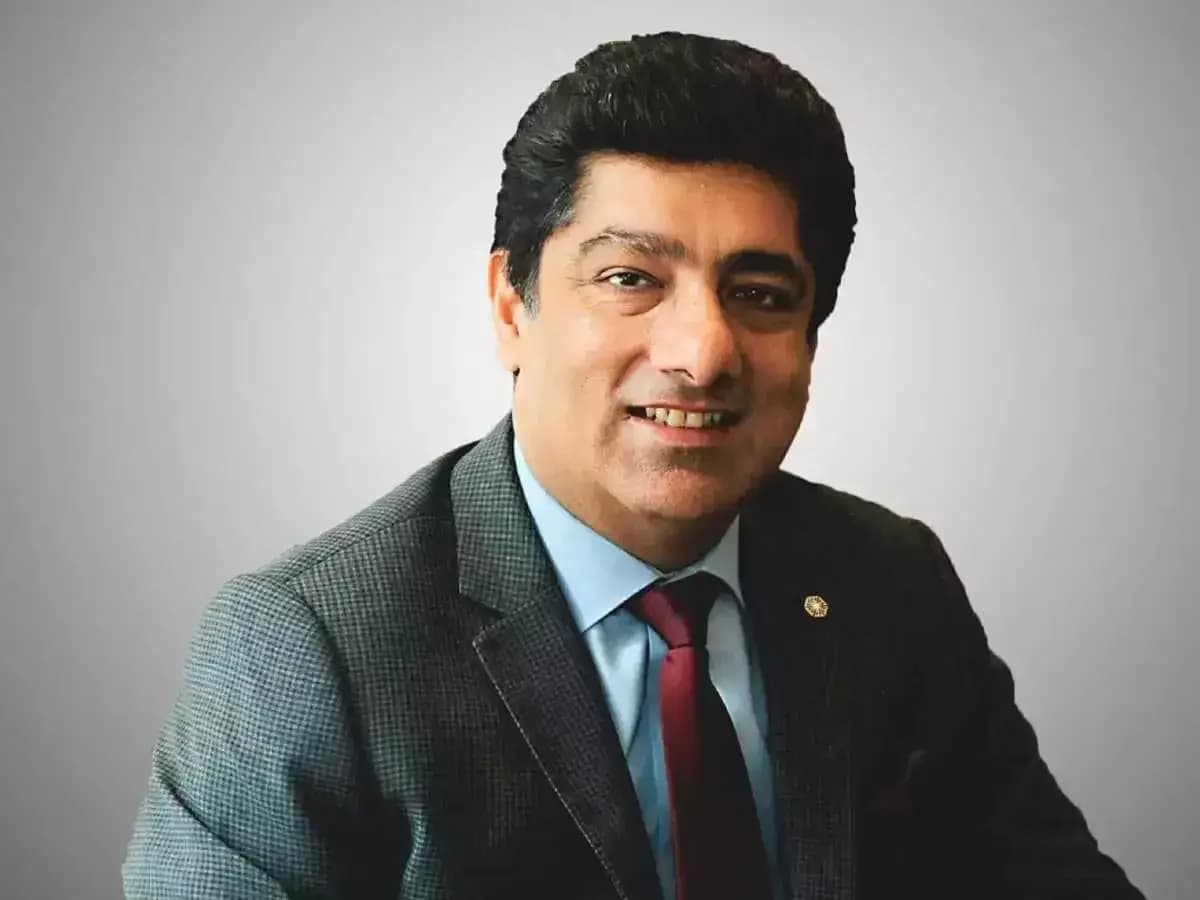
IHCL opened 36 hotels last year and 30 the year before, and is targeting more than 50 new openings this fiscal year — translating to over 5,000 new keys. According to the company's expansion strategy, roughly 20 hotels are expected to open in the first half and more than 30 in the second half, consistent with the company's historically stronger H2 performance. The company has also been active on the acquisition front, taking controlling stakes in Claridges Collection, Atmantan, Brij Hospitality, ANK and Pride Hospitality. Chhatwal emphasized that the company's integration approach has focused on retaining the founding teams behind each acquired brand, calling it an investment in talent as much as in assets and properties.

The company's domestic hotel demand remains robust even as Middle East challenges persist. Chhatwal noted that falling crude oil prices could make travel more affordable and support demand recovery, while the company's strong domestic performance provides a solid foundation for growth. The management's confidence in Dubai's eventual recovery is based on the UAE's substantial financial reserves and Dubai's central position in the broader Gulf economy, suggesting a measured but optimistic outlook for the region's hospitality sector.