ICICI Bank has received a show cause notice from GST authorities regarding a ₹229.14 crore demand over services provided to customers maintaining minimum account balances. According to reports from The Economic Times, the notice was issued by the Additional Commissioner at the CGST and Central Excise Division-IV on September 30. The GST demand of ₹229,14,35,396 is in addition to applicable interest and penalty, as reported by the bank in an exchange filing.
Despite the GST demand, ICICI Bank shares surged 3.34% to close at ₹1,335.30, reflecting strong market confidence in the bank's ability to manage the compliance issue. The stock's positive performance comes as the bank disclosed the GST notice in its exchange filing, with trading volume reaching 14,811,396 shares - significantly higher than the average weekly volume of 7,402,947 shares. This represents a substantial increase from the previous day's close of ₹1,302.0, indicating investor optimism about the bank's handling of the compliance matter.
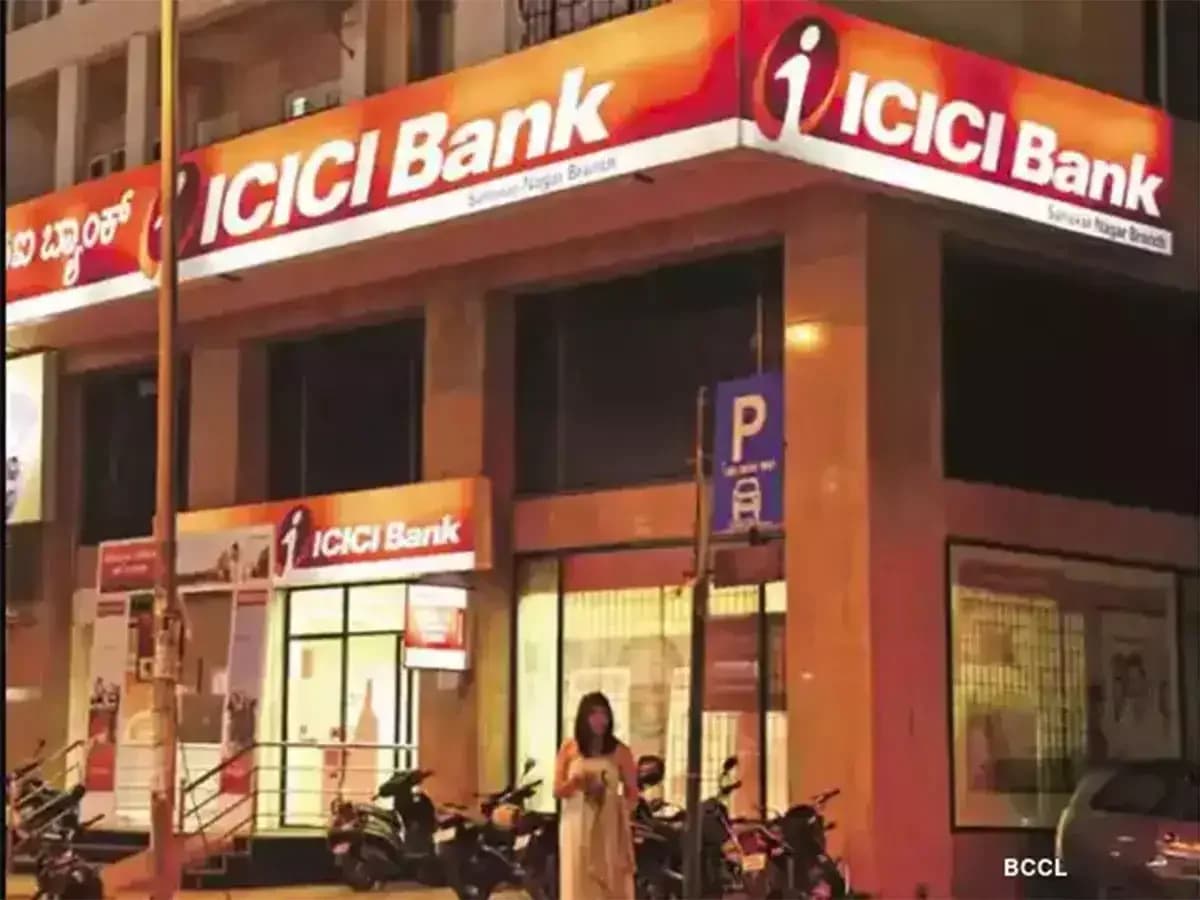
ICICI Bank disclosed that it is already involved in litigation concerning similar previous notices and issues. As reported by The Economic Times, the bank stated it is in litigation, including a writ petition, over similar issues raised through earlier orders and show cause notices. The bank has indicated it will file its reply to the show cause notice within the prescribed timelines, according to the exchange filing.
According to the bank's disclosure to The Economic Times, the aggregate or cumulative amount involved in the latest matter crosses the materiality threshold and is therefore being reported. The bank has stated that it will report this matter as it crosses the materiality threshold, indicating the significant financial impact of the GST demand.
The ICICI Bank case reflects broader challenges in GST compliance across sectors, as evidenced by recent developments in other industries. Prince Pipes & Fittings has also received a ₹2.74 crore GST demand notice from Rajasthan authorities for FY2022-23, highlighting the comprehensive nature of GST scrutiny. The Prince Pipes case involves allegations of excess outward tax in E-way bills and unconfirmed Input Tax Credit claims, with interest and penalties constituting 44% of the total amount demanded.