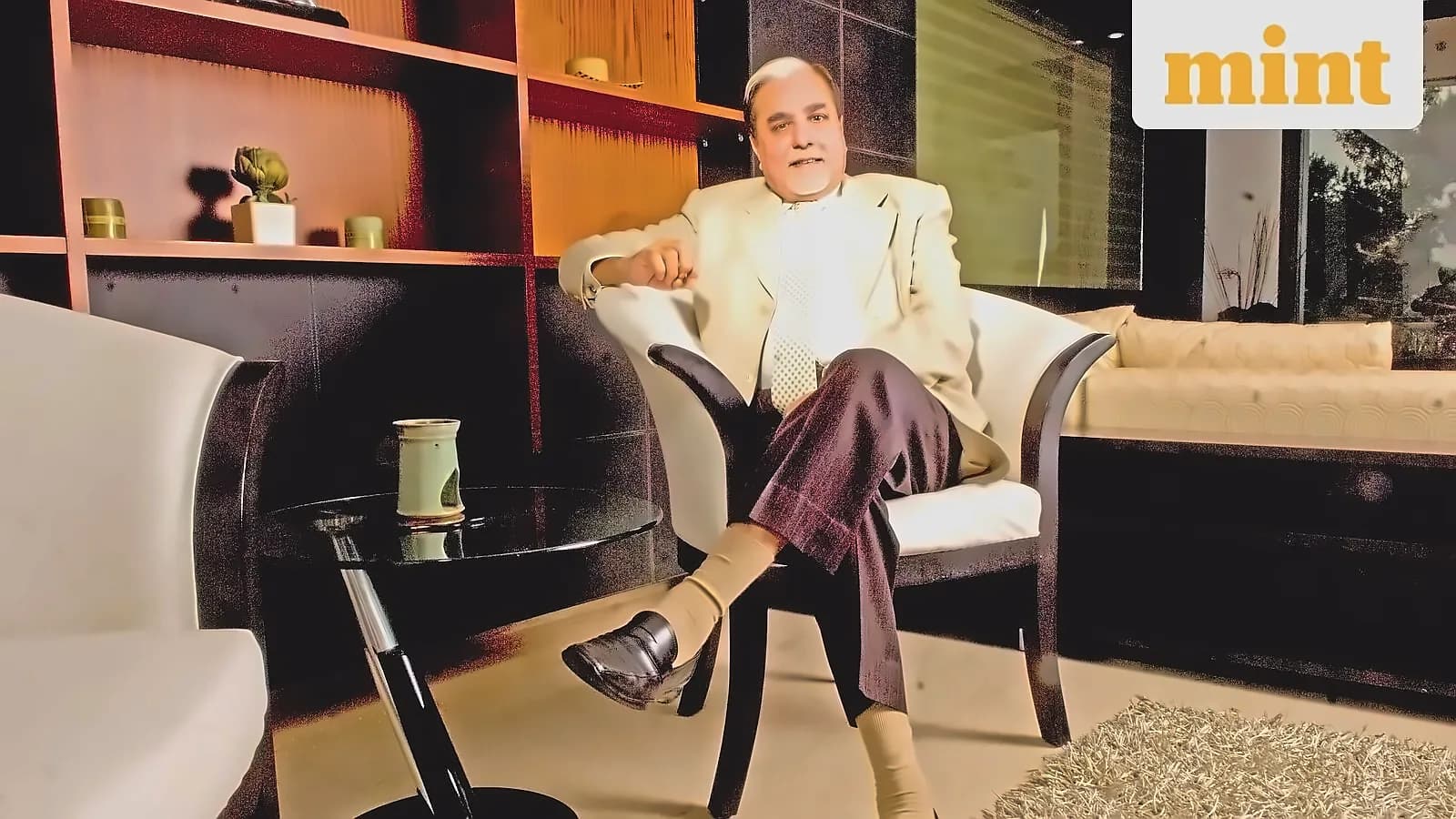
A ₹6.5 crore repayment plan by Subhash Chandra, founder of the Essel Group that owns Zee Media, is facing significant legal challenges after a Delhi NCLT approved the arrangement on August 25, 2026. According to reports from Business Standard, the plan received 80.814% creditor support but banks allege that entities associated with Chandra accounted for 61.78% of the votes cast. Since the NCLT approval, a group of dissenting bankers has moved to the National Company Law Appellate Tribunal (NCLAT) challenging the order, while the NCLT president has constituted a five-member bench to review the matter.
The repayment plan's financial implications are severe for lenders, with LIC Housing Finance Ltd receiving just over ₹38 lakh against an admitted claim of ₹1,322.39 crore - representing approximately 0.028% recovery. As reported by Business Standard, the total admitted claims against Chandra stand at ₹22,006.57 crore, with the plan providing ₹6.25 crore for creditors and ₹25 lakh for processing costs. Chandra acknowledges signing personal guarantees for ₹22,000 crore, with guarantees of ₹4,800 crore signed at the time of borrowing and the remainder signed post-default.

The controversy centers on five entities that allegedly supported the resolution despite being associated with Chandra. According to Business Standard, these entities are Veena Investments Pvt Ltd, Direct Media Distribution Ventures Pvt Ltd, World Crest Advisors LLP, Lemonade Capital Advisors LLP, and Corpcall Capital Advisors LLP, which together held 61.78% of the voting share. Banks argue these entities should not have been allowed to vote, claiming they are associates or related entities of Chandra, while Chandra's office states these businesses belonged to his younger brother Jawahar Goel and both separated their businesses in FY2008-09.
The Insolvency and Bankruptcy Board of India (IBBI) has issued directives on September 12, 2026, warning against misuse of bankruptcy proceedings and proposing four major structural amendments to personal guarantor regulations. As reported by Business Standard, the five-member NCLT bench is scheduled to hear the plan on September 23, 2026, while the NCLAT is due to hear the lenders' appeal on October 7, 2026. The case highlights a structural gap in IBC resolution architecture that allows promoters to use voting power to reduce their liabilities, even when financial institutions unanimously object.
The Enforcement Directorate is preparing to start a drive against fraud under the IBC, including cases of alleged collusive resolutions that have led to disproportionately large haircuts helping defaulting promoters re-acquire assets. According to Business Standard, the incident raises structural questions about whether parties close to beneficial owners can use voting power to extinguish liabilities, even as financial institutions object. The outcome will signal whether personal guarantees remain meaningful or ballot box control decides everything over creditor promises.