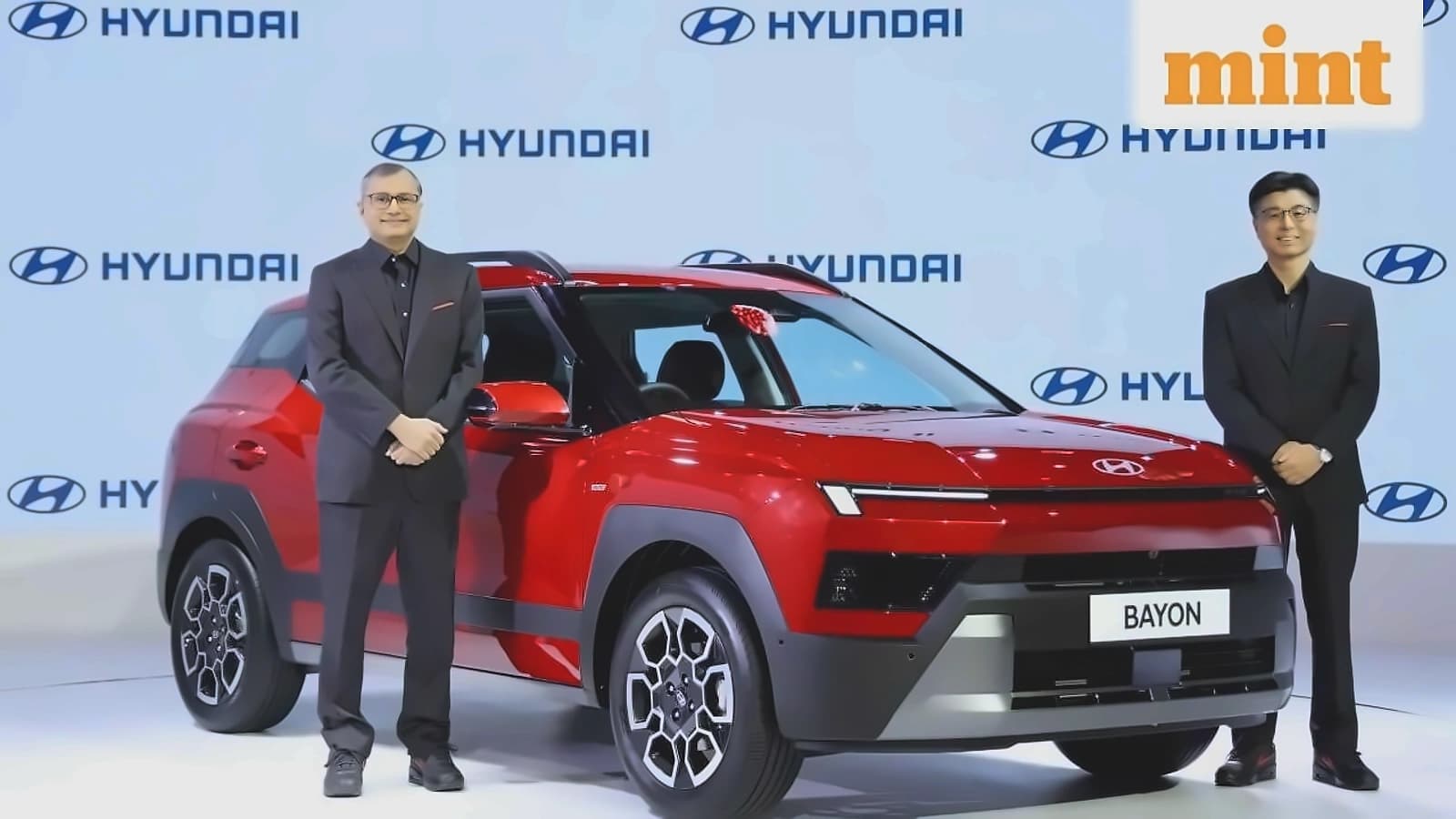
Hyundai Motor India has confirmed its ambitious 250,000 mid-size SUV sales target for 2027, driven by the combined strength of the Creta and newly launched Bayon models. According to Business Standard, managing director and CEO Tarun Garg emphasized that this target represents a baseline rather than a ceiling, as the two models are expected to appeal to different sets of mid-size SUV buyers. Garg noted that deliveries of the Bayon are expected to begin during the ongoing festival season, with the company expecting to sell around 170,000 units of the Creta in 2026. The mid-SUV segment currently represents 16.5 per cent of the market, providing substantial room for growth as the segment has grown at a CAGR of 25.6 per cent over the past five years and is projected to record 64 per cent volume growth between calendar years 2026 and 2032.
Hyundai is strategically positioning the Creta and Bayon to target different customer segments within the mid-size SUV market. As reported by Business Standard, Garg explained that the Creta draws on its established brand value and loyal customer base, while the Bayon is aimed at buyers seeking a more technology-led experience. The distinction is based on customers' attitudes and preferences rather than age, with the Bayon targeting customers who are quicker to adopt new technology. Garg stated that Creta created a market of mid-SUV segment when it was launched 10 years ago, and the launch of Bayon will allow us to do for the next 10 years what Creta did then. The segment's size and growth provides room for more than one model from the same manufacturer, with Hyundai looking to build on the Creta's established customer base through the Bayon.
The Bayon will feature a petrol and CNG powertrain option, with the CNG variant launching in January 2027, as confirmed by Garg. According to Business Standard, Hyundai's market research suggests petrol will account for the largest share of demand in the Bayon's segment, with the company avoiding diesel variants to prevent complicating the product range and confusing buyers. Automatic transmissions are expected to account for around 25 per cent of Bayon sales, with a margin of two percentage points either way. This aligns with Hyundai's portfolio-wide automatic transmission penetration of 24-26 per cent, which is generally higher in larger models. The Bayon will also feature an artificial intelligence-powered voice assistant powered by SoundHound AI technology, with user data remaining with Hyundai and not shared with Perplexity, following data privacy standards used in the US and South Korea.
Hyundai plans to begin exporting the Bayon two to six months after its domestic launch, following its usual product-export strategy. According to Business Standard, Garg confirmed that the SUV will be manufactured at Hyundai's Chennai plant and is intended for more than 50 markets globally. The company will announce export destinations in due course, with the Bayon joining Hyundai's existing export portfolio. Garg also clarified that Hyundai Motor India's $5 billion investment plan for 2025-2030 and Hyundai Motor Group's $15.5 billion commitment for 2026-2032 have overlapping periods, with spending planned for 2025 being adjusted against the group's broader plan and additional investment expected to flow into the Indian subsidiary.
The mid-size SUV segment has become one of the most fiercely contested parts of the market as automakers seek to capture buyers moving away from hatchbacks and sedans to larger SUVs. Competition has intensified with Maruti Suzuki adding the Victoris to complement its older Grand Vitara, while Tata Motors introduced the Sierra. Renault has also returned to the segment with the Duster, unveiling a hybrid powertrain for the model this month. The segment's growth trajectory supports Hyundai's expansion plans, which include launching 26 new models in India by 2030 and has committed a $15.5 billion investment by 2032. Hyundai's domestic sales declined to 584,906 vehicles in FY26 from 598,666 units the previous year, while exports rose to 190,125 units from 163,386, according to the company's FY26 annual report.