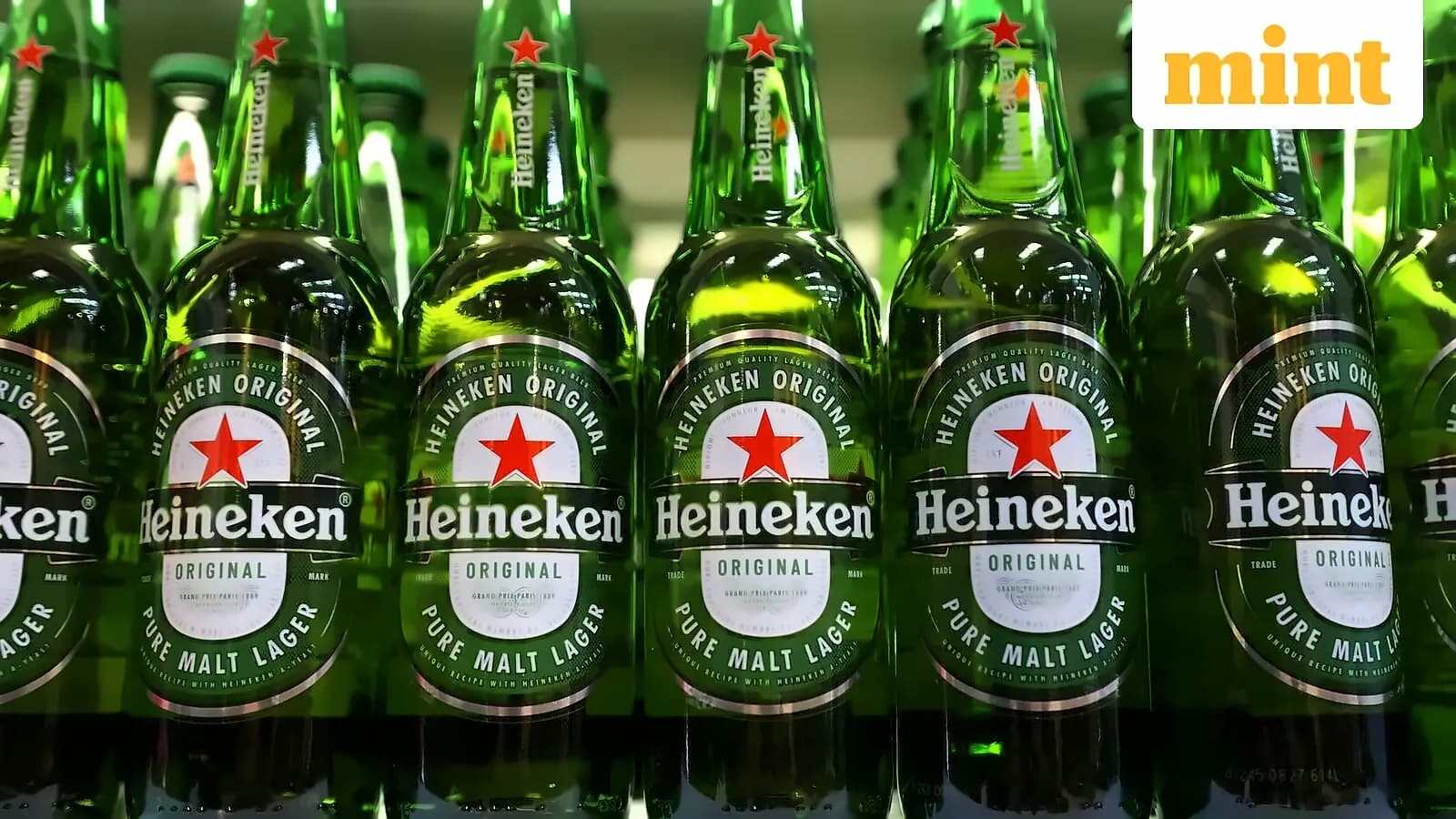
Heineken has issued a rare warning to British pubs and bars about the potential impact of weight-loss drugs on beer sales, according to a company presentation seen by Reuters. The world's second-largest brewer after AB InBev told hospitality customers that GLP-1 drugs can reduce drinking desire and put pressure on beer and cider sales from fullness and fewer serves, while warning that traditional multi-pint drinking occasions could become harder to sustain. The previously unreported presentation, sent to hospitality customers this month, advised venues to promote half-pints, low- and no-alcohol drinks and pair drinks with small plates, or risk declines in customer visits and spending as use of the medicines becomes increasingly mainstream in Britain. As per ETBrandEquity, Heineken told Reuters the presentation was shared as part of its regular engagement with UK hospitality businesses to help them understand how the market is evolving, stating it sees some changes in consumption behaviour among GLP-1 users and will continue to monitor how these behaviours evolve in 2027.
The warning comes as GLP-1 use has surged significantly, with some 10 million people taking medications like Novo Nordisk's Ozempic and Wegovy in the US last year, according to JPMorgan research. Heineken told Reuters that GLP-1 users were not abandoning alcohol altogether but were increasingly opting for smaller serves, lower-alcohol drinks and more premium products, aligning with broader ongoing trends. Beer generated nearly £14 billion of sales in British pubs, bars and restaurants in the year to February 2026, with less than £300 million of that from no- and low-alcohol beers, according to a Heineken UK report. Emerging spending data points to an impact on purchases, with a group of US households with a GLP-1 user tracked by market research firm Circana between 2024 and 2026 spending about 7% less per month on alcohol versus non-using households, including around 13.5% less on beer. The broader alcohol industry is facing challenges as consumer behavior shifts amid health trends, with GLP-1's growth having ramifications across the consumer goods industry, hitting cravings for sweets and snacks, driving up demand for clothing alterations and prompting a scramble to sell products that counter side-effects.
Despite the warning, other major alcohol companies have taken a more cautious stance on the GLP-1 threat. Diageo has told investors any impact from GLP-1 drugs should be manageable even if use becomes more widespread, while Carlsberg told Reuters existing data did not yet support the view that the drugs were a clear driver of beer consumption trends. Anheuser-Busch InBev declined to comment. Heineken told Reuters the presentation was shared as part of its regular engagement with UK hospitality businesses to help them understand how the market is evolving, stating it sees some changes in consumption behaviour among GLP-1 users and will continue to monitor how these behaviours evolve in 2027. The alcohol industry is already grappling with years of falling sales in some major markets as consumers cut back on drinking for health and economic reasons. Europe is the Dutch brewer's largest market by revenue, but growth has been sluggish, with Heineken singling out Britain, where it owns more than 2,000 pubs, as a relative bright spot.
Surveys in Europe and the UK by Circana, market researcher NIQ and specialist UK-based hospitality researcher KAM have pointed to reduced drinking by GLP-1 users. Ten of 11 GLP-1 users Reuters interviewed said they had reduced their drinking, sometimes significantly, saying it left them feeling uncomfortable or unwell, or they simply no longer had any desire to drink. UK-based Daniel Cornwell, founder of hospitality executive recruitment business SPE Resourcing, said he used to drink regularly at work events and on weekends but now finds alcohol causes him discomfort and results in a multi-day hangover. Joseph Schacht, a professor at the University of Colorado Anschutz, who led a randomised controlled trial on the impact of GLP-1s on people with alcohol use disorder, said the medicines could create a potential 'Prozac moment' for AUD treatment, while also posing a challenge for alcohol producers if broader groups of drinkers cut back too. GLP-1's effects on the brain may also affect users' motivation to drink, with trials consistently showing a reduction in cravings and consumption for people with AUD.