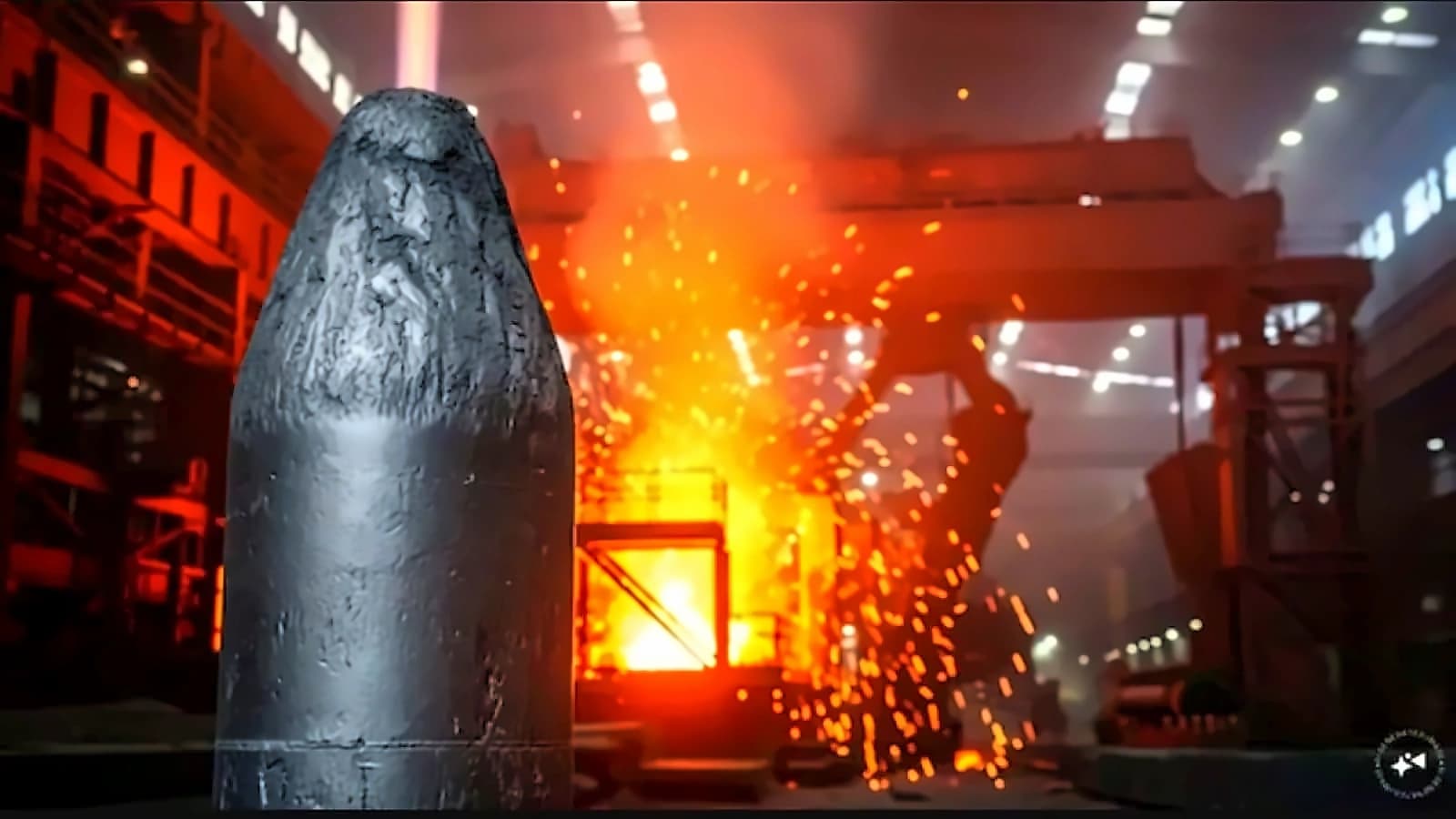
HEG Limited is executing a comprehensive corporate restructuring through a demerger that will unlock significant value in its clean-tech platform. The company has secured ₹500 crore in strategic funding from the Singularity Growth Opportunities Fund, led by investor Madhusudan Kela, to support its energy transition initiatives. According to reports from Live Mint, the traditional graphite electrode business will be demerged into a new entity called HEG Graphite, while the current listed entity will absorb renewable energy assets and be renamed HEG Greentech Limited. This restructuring separates the cyclical graphite electrode business from the long-duration clean-tech platform, positioning the company for growth in India's energy transition.
HEG maintains its position as the world's largest single-site manufacturer of graphite electrodes and the third-largest producer in the Western world. The company manufactures ultra high power (UHP) and high power (HP) graphite electrodes, with UHP electrodes accounting for 70-75% of its product mix. As reported by Live Mint, HEG exports approximately 65-70% of its production to over 35 countries, catering to the top 25 steel producers worldwide. The company operates 100,000 tonnes per annum capacity under one roof, giving it economies of scale and making it one of the lowest-cost producers globally. HEG aims to expand capacity to 115,000 TPA by early 2028 to capitalize on strong demand.
The global steel industry's shift toward decarbonization is creating substantial opportunities for graphite electrode manufacturers. According to Live Mint, EAF-produced steel emits only one-fourth of the carbon that traditional blast furnaces produce, making it the preferred method for major steel manufacturers. The global steel industry is actively replacing legacy blast furnaces with EAF technology, with EAF steel production rising from 44% of total production in 2015 to 51% in 2024. For every one million tons of steel melted in an EAF, approximately 1,500-2,000 tons of graphite electrodes are consumed. HEG expects 110 million tonnes of new EAF capacity by 2030, representing significant demand growth for the industry.
The new HEG Greentech entity is being built as a technology-led, integrated clean-tech platform designed to capitalize on India's energy transition. As reported by Live Mint, the platform operates across four business models: advanced battery materials (TACC), battery energy storage solutions (REPlus), storage-based renewable IPP, and hydro power. The company is constructing a 20,000 tonnes per annum greenfield facility for TACC near Indore, with commercial production starting in April 2027 and expansion plans to 60,000 TPA by FY32. REPlus currently operates at 1 GWh of cell-to-pack capacity and aims to expand to 6 GWh by Q2 FY27.
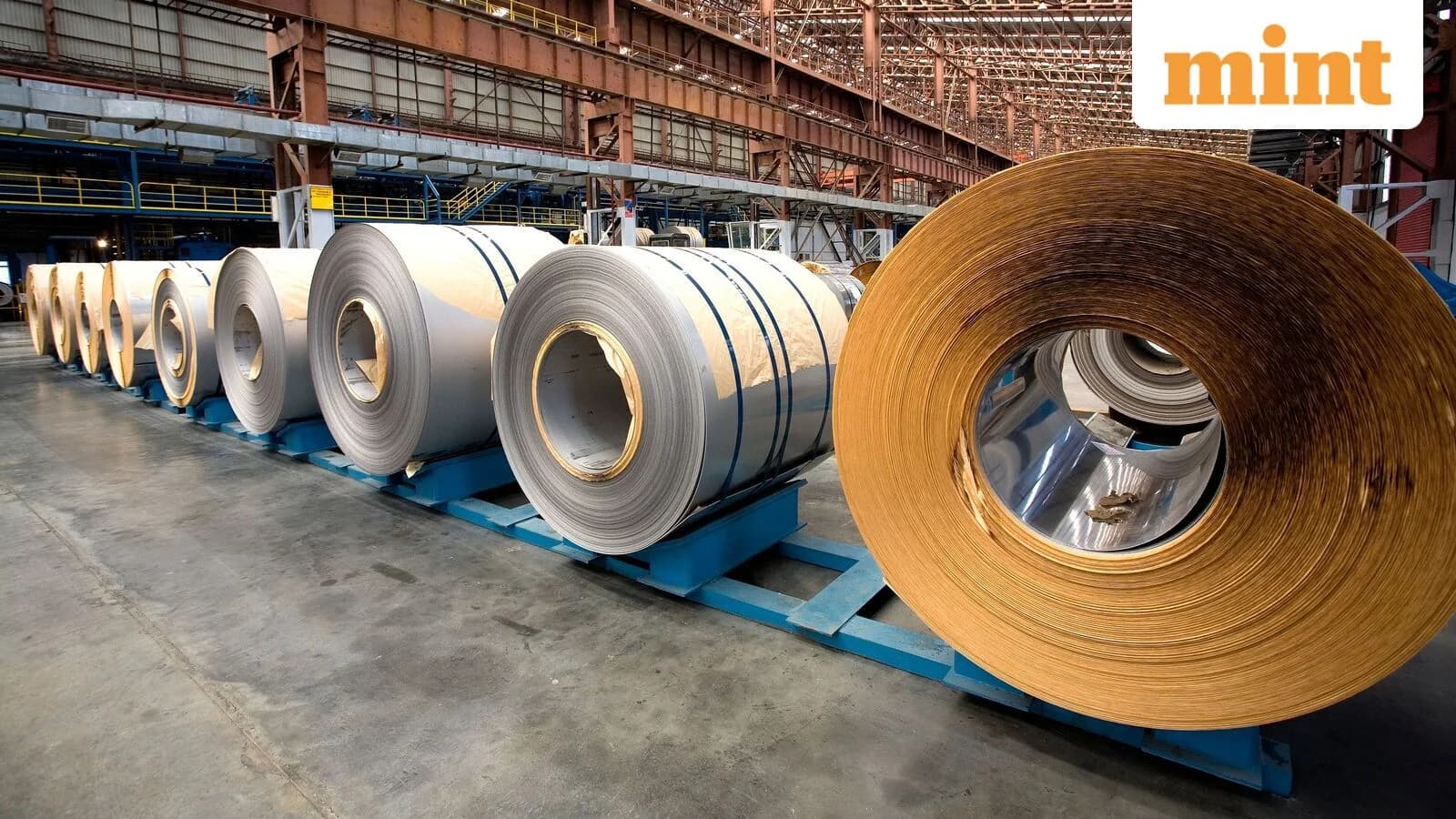
HEG's core graphite electrode business demonstrated strong performance with revenue increasing by 21.6% to ₹1,965 crore in 9MFY26, driven entirely by volume growth of approximately 20%. According to Live Mint, Ebitda jumped 58.5% to ₹623 crore with margins expanding 740 basis points to 31.7%. Net profit more than doubled to ₹344 crore from ₹163 crore in the same period last year. The company has outlined a ₹7,700 crore capex plan by FY30, with a ₹4,300 crore investment by FY27, supported by steady cash flows from debt-free hydro assets and the recent strategic equity injection.