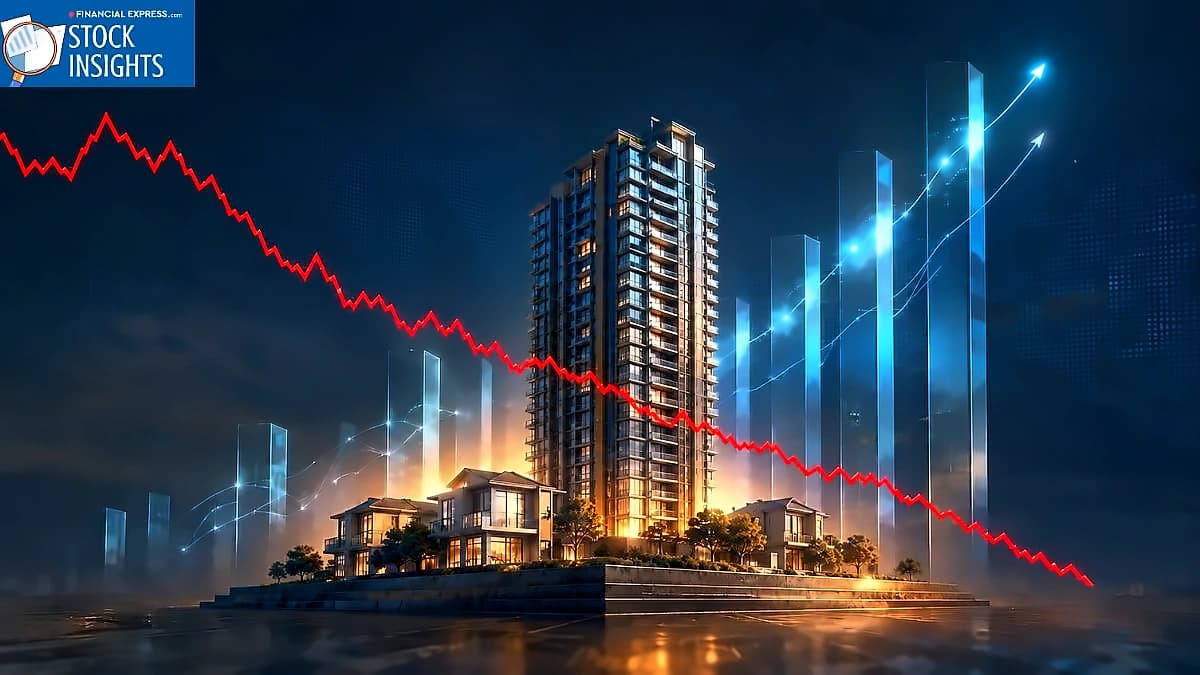
Despite raising ₹12,500 crore in one of the year's biggest IPOs, HDB Financial has struggled to reward investors. According to reports from Value Research Stock Advisor, shares sold on listing day booked a 14% gain, but held for a year are worth approximately ₹93,700, representing a 6% loss including the ₹4-a-share dividend. Those who bought at the listing-day close of ₹841 are down to about ₹82,500, off roughly 18%. The stock has fallen as much as 33% below its listing price at one point, highlighting the disconnect between the IPO's success and post-listing performance.
As reported by Value Research Stock Advisor, HDB Financial has demonstrated strong loan book growth with a 19.2% compound annual growth rate (CAGR) between FY23 and FY26, reaching ₹1,18,733 crore by FY26. However, profit after tax grew only 9% CAGR during the same period, while return on assets under management declined from 2.8% in FY23 to 2.1% in FY26. The company's diversified lending portfolio spans enterprise lending (38%), asset finance (38%), and consumer finance (24%), serving 2.3 crore customers through 1,730 branches and over 1.4 lakh touchpoints.
According to Value Research Stock Advisor, the stock declined after two quarters of rising credit stress before recovering some ground. Gross NPA peaked at 2.8% in September 2025 and credit cost ratio reached 2.7% in the same quarter, both returning to March 2025 levels by June 2026. The stress was primarily attributed to floods that affected commercial vehicle operators and unsecured loans, with 26% of the book still working through pre-listing stress. The company achieved record profit after tax of ₹785 crore in June 2026, up 38%, with disbursements growing 16% year-on-year.
As reported by Value Research Stock Advisor, HDB Financial trades at approximately three times book value against a return on equity under 14%, reflecting its growth potential despite cyclical challenges. The company's FY26 return on AUM of 2.1% trails peers like Bajaj Finance (4.3%) and Cholamandalam (2.5%), both trading near or above five times book value. The IPO structure revealed that only ₹2,500 crore was fresh capital, with the remaining ₹10,000 crore being an offer for sale by parent HDFC Bank, which held 74.2% at listing and has not sold additional shares since.