Gujarat Gas Ltd. has asked industrial customers to assess their gas consumption for April to better manage supplies, according to sources reported by CNBC-TV18. The move comes as industrial gas prices are set to surge to around ₹85-88 per standard cubic metre (SCM), plus VAT, from about ₹41.31 earlier. Industry players warned that if gas allocations fall below 70% of requirements, restarting production may not be viable for several units, raising concerns over output disruptions. The sharp increase follows supply disruptions and rising global LNG prices amid escalating tensions in West Asia. As reported by CNBC-TV18, India, one of the world's largest importers of oil and gas, is particularly exposed to such global shocks, with industrial consumers among the first to face supply curbs.
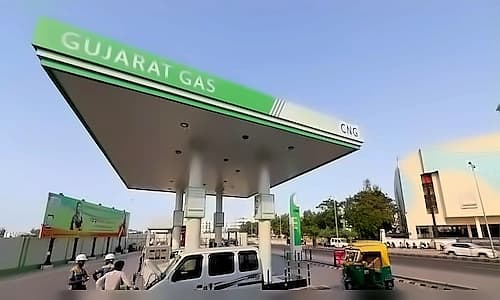
A severe CNG shortage has severely impacted transport services in Hyderabad, with most CNG bunks stopping operations due to lack of gas supply. Auto-rickshaws and cabs are spending up to six to seven hours in queues at CNG stations, cutting working hours significantly. According to Express, transport availability has fallen by an estimated 35-40%, with fares rising substantially. A ghee trader reported that auto drivers are now demanding ₹900-₹1,100 per trip, up from the previous ₹600 per trip. The Telangana Gig and Platform Workers Union has warned that if platform companies don't revise fares by March 31, they will initiate price fixation themselves.
The impact on the dairy industry is particularly severe, with Gujarat's dairy output now running at just 60% capacity due to LPG supply cuts. The state government has slashed LPG supply to milk processing units by 40% to protect household cooking gas stocks. In Madhya Pradesh, disruptions have already cut milk processing capacity from 12-13 lakh litres per day down to nearly 8 lakh litres. Industry representatives have warned that the crisis could escalate into a major issue within the next 10-12 days if gas supplies are not restored in time. The government has clarified that there is no shortage of LPG supply despite recent concerns, with domestic refinery production ramped up by 40% bringing daily LPG output to 50,000 tonnes against a total daily requirement of around 80,000 tonnes.
The adoption of piped natural gas (PNG) has risen sharply across the Mumbai Metropolitan Region, with waiting times for LPG cylinders stretching to 8-10 days and long queues forming at dealer outlets. According to Mahanagar Gas Ltd, the region, which already has more than 31 lakh households with piped gas connections, accounts for a significant share of the 3.5 lakh new PNG connections added across India in the past three weeks. For commercial PNG, a 20% cut in supply continues, particularly affecting hotels in the city. The government has tightened rules to fast-track the expansion of city gas distribution networks by mandating time-bound approvals for pipeline installation, with authorities now required to grant right of way and necessary permissions within fixed timelines.
According to a Reuters report cited by CNBC-TV18, the government has advised automakers and component manufacturers to optimise production schedules and reduce dependence on oil-based fuels. In a March 25 advisory, the heavy industries ministry urged companies to shift towards electricity and alternative materials where feasible. The government has invoked emergency measures to regulate gas distribution, prioritising essential sectors such as fertilisers, transport and households, while industrial users bear the bulk of supply cuts. As reported by CNBC-TV18, Petroleum Minister Hardeep Singh Puri has urged the public not to panic, stating that the government is absorbing the financial impact of rising global prices instead of fully passing it on to consumers. In a parallel move to ensure domestic availability, the government has imposed export duties on key petroleum products, with diesel exports now attracting a duty of ₹21.5 per litre and aviation turbine fuel facing a levy of ₹29.5 per litre.