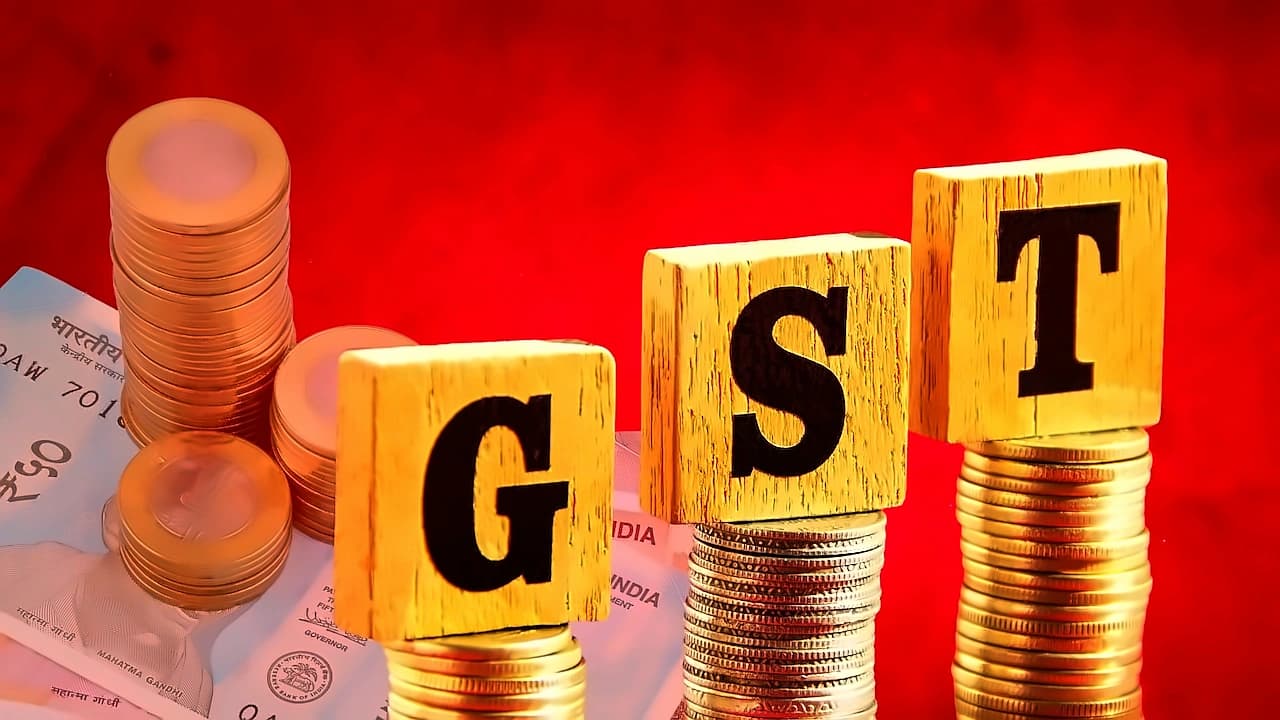
The GST Council's decision to reduce GST on hotel rooms with tariffs up to ₹7,500 per night to 5% from 12% has made accommodation more affordable and supported tourism growth, according to SOTC Travel Managing Director and CEO Vishal Suri. As reported by Business Standard, the new rates came into effect from September 22 last year without input tax credit. Suri emphasized that further rationalisation in GST on domestic hotels and restaurants could help fuel tourism growth in India, even as the country's travel market continues to grow despite global uncertainties.
India's domestic tourism story remains underpinned by strong structural fundamentals, supported by improving infrastructure, expanding airport networks, better road and rail connectivity, and government investments that are making travel more accessible across the country, according to Suri. He noted that tourism has the potential to emerge as a major contributor to India's economic growth, employment generation and regional development. The government's decision to reduce tax collected at source (TCS) on overseas tour packages to a uniform 2% was also highlighted as a positive step for the industry.
Despite higher airfares, travellers have become more value-conscious rather than cutting back on travel, as reported by Business Standard. Suri explained that customers are adapting through earlier bookings, flexible travel dates and destination choices that offer better overall value. Consumers are increasingly evaluating the overall holiday experience instead of focusing solely on airfare. Thailand, Vietnam, Bali, Japan, Singapore, Switzerland, France, Australia, and New Zealand continue to remain among the preferred outbound destinations for Indian travellers, while demand is also rising for premium, experience-led holidays such as luxury rail journeys, cruises, wildlife safaris, and seasonal travel experiences.

SOTC Travel will continue to expand its omni-channel presence over the next 2-3 years through a mix of company-owned stores and franchise outlets, with Tier-II and Tier-III cities expected to remain key growth markets, according to Suri. Rising disposable incomes, improving air connectivity, increasing passport penetration and greater digital adoption are driving demand from smaller cities. The company remains cautiously optimistic about the rest of FY27, citing rising disposable incomes, improving connectivity, growing travel aspirations and a diversified business model as key factors supporting future growth.