Google and Meta Platforms have defended their content removal policies before the Delhi High Court, arguing they cannot proactively monitor court hearing videos uploaded by users. According to reports from Bar and Bench and The Law Monitor, the companies opposed a plea that seeks to make social media intermediaries proactively detect and block unauthorised recordings of court proceedings. Both platforms filed affidavits in a petition by advocate Vaibhav Singh, telling the Court the demand is legally untenable and impossible to implement. During the hearing before a division bench comprising Justices V. Kameswar Rao and Manmeet P.S. Arora, counsel representing both platforms emphasized their limited role in content moderation.
Google has firmly rejected the monitoring proposal, arguing its impracticality and legal infeasibility. As reported by The Law Monitor, the company stated that recordings of court hearings are typically created outside of its platform, YouTube, and it lacks the capability to ascertain whether a video shows court proceedings, whether it was recorded with authorization, or if it breaches any laws, given the varied court rules across India. "Apart from the specifically identified videos on YouTube, [Google] cannot sift through the millions of videos on its platform and monitor its platform to determine if there are other videos relating to unauthorized court proceedings," the company stated. Google emphasized it is only obligated to remove videos that have been specifically identified and adjudicated as illegal by a court. The companies argued that such a direction would effectively convert online platforms into "super censors," a role that is neither contemplated under Indian law nor practically possible.
Meta has argued against imposing proactive monitoring duties, citing violations of Section 79 of the Information Technology Act and existing Supreme Court rulings. According to The Law Monitor, Meta maintains that intermediaries should not independently assess the legality of user-generated content or preemptively search for potentially illegal material. In their affidavit, Meta highlighted that the IT Rules only require limited proactive technology-based measures, emphasizing that content removal is contingent upon a court or competent authority's determination of its unlawfulness. The companies relied on the Supreme Court's ruling in Shreya Singhal v. Union of India and Section 79 of the Information Technology Act, 2000, to argue that intermediaries are protected from liability for third-party content unless they receive lawful notice requiring its removal. Legal experts note that a direction forcing platforms to monitor all future uploads "arguably goes beyond enforcing existing law and approaches judicial law making."
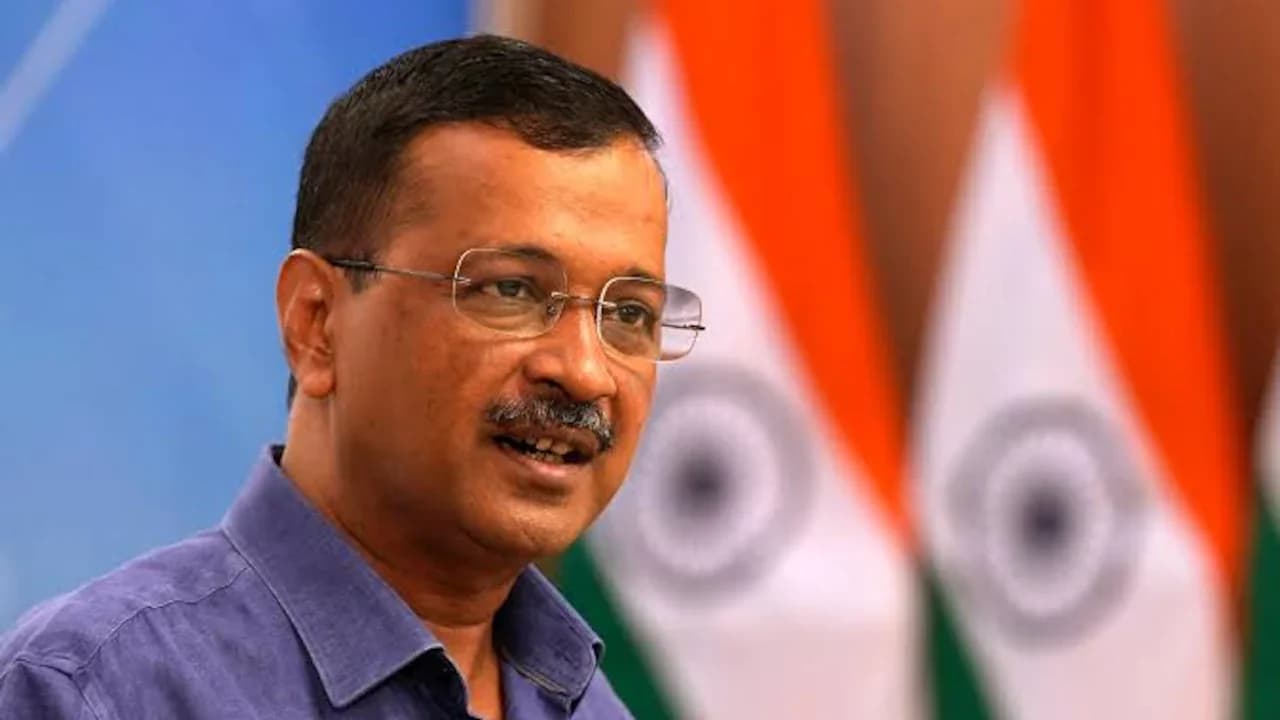
The petition seeks contempt proceedings against several individuals, including Arvind Kejriwal, Manish Sisodia, Sanjay Singh and certain journalists accused of circulating the footage. As reported by Bar and Bench and The Law Monitor, the Division Bench has impleaded the Ministry of Electronics and Information Technology (MeitY) as a respondent and issued notice to respondents including Kejriwal, Manish Sisodia, and journalist Ravish Kumar. Journalist Ravish Kumar has filed a reply stating that his flagged post "does not contain any scurrilous, scandalous or defamatory imputation" against the court or the judge, and is covered under journalistic expression and fair comment. He said neither he nor anyone connected with him recorded the proceedings, and voluntarily took down the post before any court order. The petitioner alleged that the recordings were uploaded on social media in violation of the Delhi High Court's Video Conferencing Rules and sought directions requiring platforms to prevent similar uploads in the future.
The Delhi High Court has reserved further consideration of the petition filed by advocate Vaibhav Singh seeking action against unauthorized recording and circulation of videos from court proceedings involving former Delhi Chief Minister Arvind Kejriwal. As reported by The Law Monitor, during a recent hearing, the Division Bench acknowledged the lack of service to several respondents, including Kejriwal and other AAP leaders, leading to an adjournment until August. The petition concerns footage from an April 13 hearing before Justice Swarana Kanta Sharma, during which Kejriwal appeared seeking the judge's recusal from a case related to the excise policy. The HC had flagged the issue in April as one touching the larger interest of the judiciary. In view of the incomplete service, the Court deferred further consideration of the matter to a later date, with the Court considering the issues raised after completion of service on all parties.