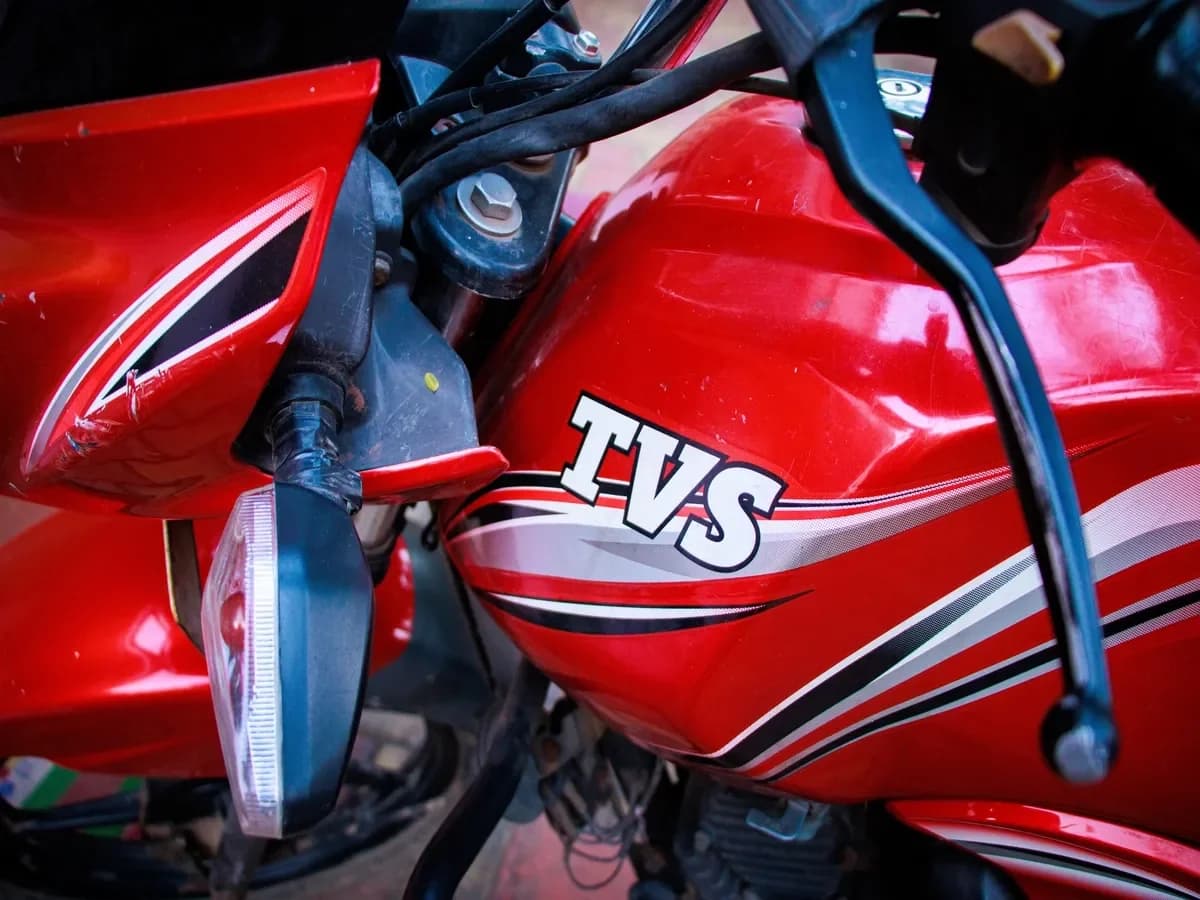
Goldman Sachs has identified TVS Motor, Eicher Motors and Maruti Suzuki as the Indian auto stocks best positioned to benefit from stable or cooling fuel prices triggering fresh demand recovery. According to the latest Goldman Sachs report, demand has historically recovered fastest in scooters, entry-level cars, premium motorcycles and premium hatchbacks during periods of easing fuel prices, making these companies the clearest beneficiaries of improved affordability and consumer sentiment. The brokerage specifically highlighted that TVS Motor has strong exposure in the scooter segment, while Eicher Motors benefits from the lowest channel inventory among auto group companies and Maruti Suzuki's strong presence in entry-level cars and premium hatchbacks positions it well for fuel-price stability scenarios.
Goldman Sachs raised its target price on Eicher Motors to ₹9,100 from ₹8,400, implying an upside of about 8.3% based on the brokerage's reference price. The upgrade is driven by Eicher's lowest channel inventory in the auto group and less exposure to monsoon-related demand disruption due to its more urban and premium customer base. In contrast, Goldman Sachs cut Mahindra & Mahindra's target price to ₹3,650 from ₹4,000, citing the weak start to the southwest monsoon and historical precedent where Mahindra's tractor volumes declined 7% during FY24's similarly weak monsoon conditions. The brokerage noted that Mahindra is the most exposed among auto names due to its tractor business, making the monsoon trajectory especially important for the company's rural demand outlook.
According to Goldman Sachs automobiles sector report, fuel price stability could accelerate recovery in scooters, premium motorcycles, and entry-level cars. The analysis examined six fuel-price inflation episodes over the past decade (5% to 10% inflation periods) and found that consumer demand tends to return more quickly in specific vehicle categories once fuel-price pressures ease. As reported by Goldman Sachs, based on volume growth and local petrol/diesel price data from the last six fuel price inflation episodes over the past 10 years, demand came back fastest in scooters, premium motorcycles, entry-level cars and premium hatchbacks following periods of fuel cost stabilisation. The report specifically noted that once fuel price hikes subsided, demand came back fastest in these vehicle categories, with the analysis covering 5% to 10% fuel price inflation periods over the past decade.

Goldman Sachs highlighted weather-related risks for the automobile sector, noting that rainfall across India was 38% below the long-term average in the first 2.5 weeks of the southwest monsoon season. The brokerage warned that a below-normal monsoon start could pose risks to rural demand-linked automobile categories in the second half of FY27, potentially impacting tractor demand and entry-level motorcycles. As noted by Goldman Sachs, the weak start to the monsoon has reopened concerns around rural demand and tractor growth, with the brokerage comparing the current situation to FY24 when El Nino conditions resulted in similarly weak monsoon and Mahindra's tractor volumes declined 7% for the year. This creates a clear distinction between commercial and passenger vehicle recovery patterns, with commercial vehicle demand historically taking longer to recover from fuel-price inflation periods.
The report flagged significant cost pressures facing automobile manufacturers, with metal price inflation expected to impact gross margins by 180 to 220 basis points in the June quarter despite price increases undertaken by vehicle makers. Goldman Sachs expects a net impact of 40 to 190 basis points on auto OEMs gross margin in Q1 FY27. The report's analysis indicates that metal price inflation impact on Gross Margin in 1QFY27E is likely to be in the range of 180bps to 220bps, creating substantial margin pressure across the sector. However, on the positive side, Goldman Sachs noted that inventory levels have begun to improve as production bottlenecks ease and supply chains normalise ahead of the festive season. The sector's near-term outlook will depend on the trajectory of fuel prices, monsoon season progress, and manufacturers' ability to manage input-cost pressures while sustaining demand.
Goldman Sachs' latest auto note effectively splits the sector into two near-term stock themes - a fuel-price stability trade where TVS Motor, Eicher Motors and Maruti Suzuki are seen as the best-positioned names, and a monsoon-risk trade where Mahindra & Mahindra stands out as the most exposed due to its tractor business and rural demand dependence. Beyond fuel prices and monsoon concerns, the report indicates that investors are also focused on four other questions across the auto sector: the size of margin headwinds from metal cost inflation, how channel inventory is shifting after recent production shortfalls, which companies could benefit from India's 8th Pay Commission, and the battery electric vehicle mix requirements under updated CAFE 3 CO2 emission norms. These additional factors remain central to how investors are evaluating the sector's recovery trajectory and long-term positioning.