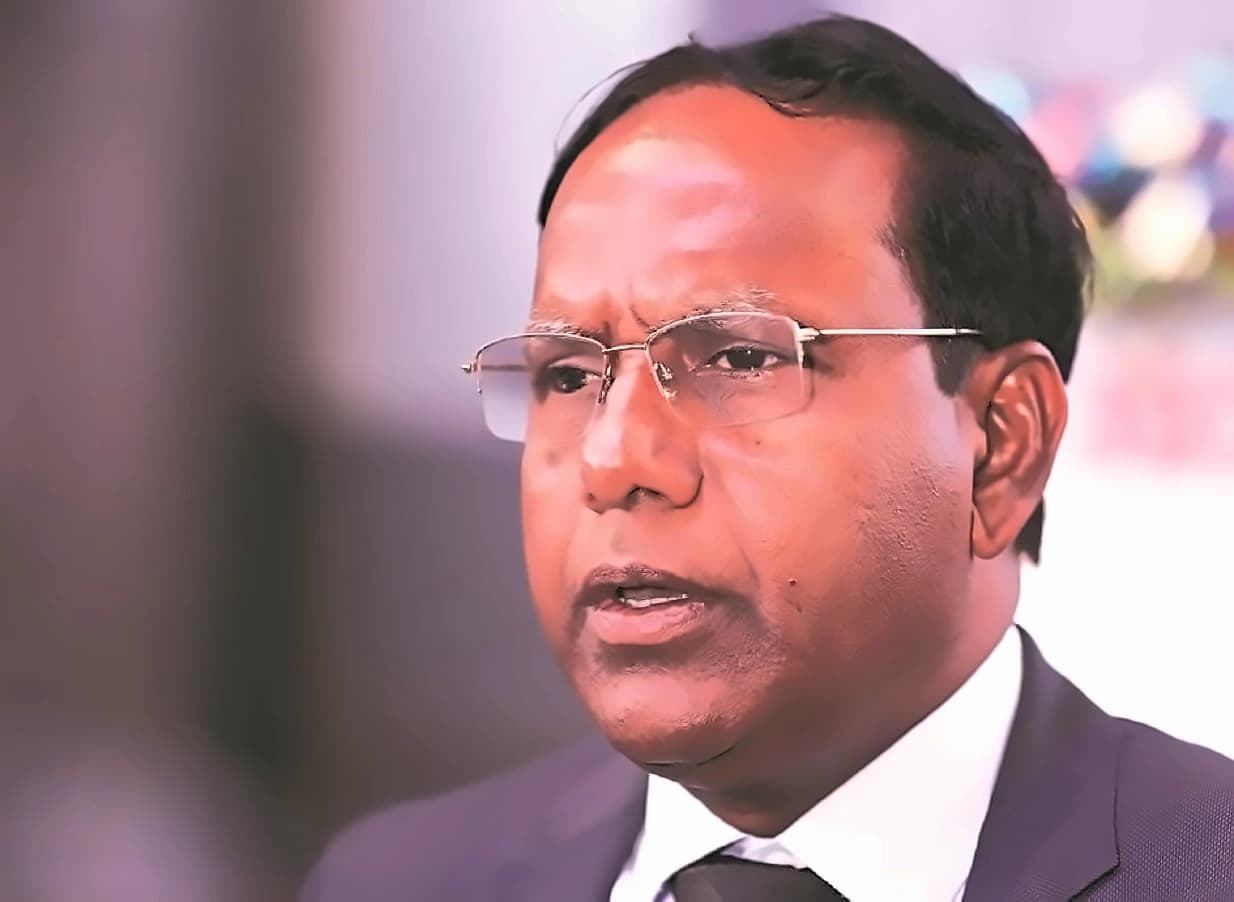
GMR Airports Ltd, India's largest private airport operator, expects passenger traffic growth to remain flat in the first half of FY27 before recovering in the second half. According to Mint, the company, which handles roughly three out of every 10 air passengers in India, expects traffic growth to remain flat in April-September before recovering as airlines restore capacity and two new airport assets are added to its portfolio. Saurabh Chawla, chief financial officer at GMR, told Mint that the first two quarters will be flattish, with the company guiding markets for 8-10% year-on-year growth but acknowledging that the first two quarters may not sustain that pace.
GMR Airports expects Bhogapuram airport in Andhra Pradesh to become operational in the second quarter and plans to take over Nagpur airport during the same period. As reported by Mint, taking these two new airports, about 5 million passengers will be added to GMR's portfolio. The company's three operating airports—Delhi's Indira Gandhi International Airport, Hyderabad's Rajiv Gandhi International Airport and Goa's Manohar International Airport at Mopa—together handled 114.6 million passengers in FY26, a modest 1% increase from the previous year. The slowdown has persisted into the current fiscal year, with passenger traffic across GMR's Indian airports falling 4% year-on-year in April to about 9.3 million passengers.
According to Mint, the impact of the challenging operating environment varies across GMR-run airports. In April, Delhi airport handled 6.66 million passengers, largely flat from a year earlier, while Hyderabad saw a sharper 15% decline, reflecting the impact of airline route rationalisation. Goa's Mopa airport recorded a 5.3% increase in traffic. The trend mirrors weakness across the broader market, with domestic passenger traffic at 13.8 million in April, down 3.5% from a year earlier, after growth moderated to 1.33% in FY26, the slowest post-pandemic.
Despite muted passenger growth, airport operators benefited from higher tariffs and stronger non-aeronautical income. As reported by Mint, GMR Airport reported revenue of ₹15,200 crore in FY26, up 40% on year. In the January-March quarter, growth was driven largely by revised tariffs at Delhi airport, where differentiated user development fees (UDF) were introduced for international passengers based on travel class. The tariff revision helped aeronautical revenue at Delhi airport jump 178% in FY26, while aeronautical revenue at Hyderabad and Goa was flat or lower during the year.
According to Mint, the muted passenger growth forecast is driven by capacity constraints of airlines following geopolitical disruptions. India's airlines have faced operational challenges including Air India's route cuts and IndiGo's expected rationalization of departures from late August. The sector has been hit by airspace restrictions over Pakistan, the fatal Air India crash in June, new pilot duty regulations, and the West Asia war. Despite near-term headwinds, GMR remains confident that Delhi airport will retain its position as India's largest aviation hub, with Chawla noting that creating a two-airport system takes years and Delhi's scale and connectivity will help it retain leadership even after Jewar opens.