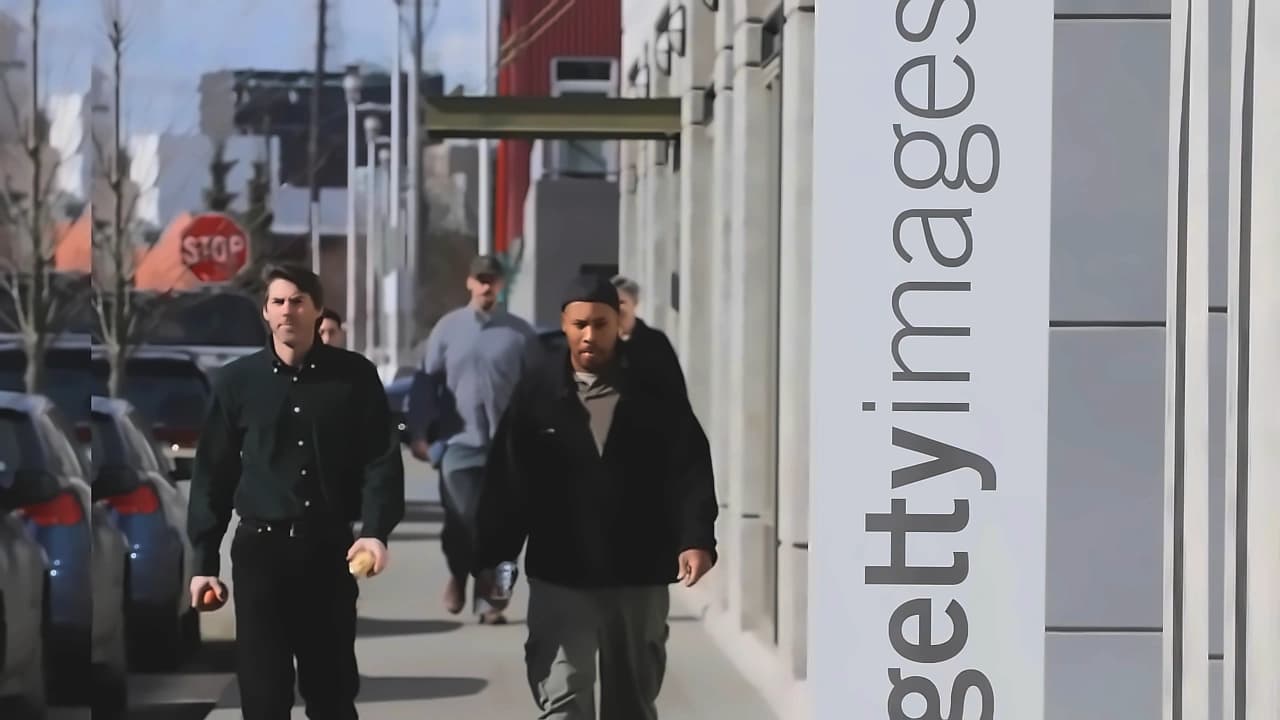
Getty Images has officially filed for Chapter 11 bankruptcy and will go private, marking the end of a $4.8 billion company that has sold photos to newsrooms and advertisers for three decades. The company reported revenue of $229.1 million in Q2 2026 but continues to struggle with AI competition. The stock closed at $0.0147 on October 12, down 68% on the day, as reported by Yahoo Finance. Analyst Bull Theory noted that Getty Images is down -99.95% in the last four years as AI kills its business.
Getty Images announced on Monday that it has reached an agreement with all major financial stakeholder groups on comprehensive restructuring terms. The visual-content provider expects to close this restructuring by the end of 2026. Members of the Getty Family and affiliates of Koch Equity Development will invest up to $533 million of new equity to pay down debt under the restructuring. As of June 30, 2026, the company reported total debt of $2.1 billion, making this debt restructuring critical for the company's survival.
The $3.7 billion merger with rival Shutterstock was scrapped in July after Britain's competition regulator demanded Shutterstock sell its news photo business, costing Getty about $60.4 million. CEO Craig Peters revealed during an August earnings call that the company had spent 'more than $100 million across professional fees and financing costs' in pursuit of what he believed would be a strategic transaction. The failed deal also left Getty with a significant bill, with the company losing more than $100 million across professional fees and financing costs in pursuit of a merger that ultimately did not go through. Mark Getty, the company's co-founder and board chairman, expressed disappointment but remained optimistic about future partnerships, stating that the transformational transaction is underpinned by the strength of the business and significant growth potential.
The damage from AI competition showed up first in Creative, Getty's stock photo arm that competes directly with AI image generators. Getty's annual subscribers declined from 321,000 to 241,000 in 2025 as part of what CFO Jennifer Leyden classified as a 'deliberate strategy to deemphasize lower-value acquisition channels,' including the discontinuation of the iStock free trial program. Total sales then slipped 2.5% in the second quarter of 2026. Getty's own annual report acknowledges the threat, stating that customers may opt for AI generated content that bypasses traditional licensing models. The company also lost its legal battle against Stability AI, with Britain's High Court dismissing its main copyright claims in November 2025.
Getty's financial troubles stem from $2.1 billion in debt with quarterly interest costs up 57% in a year. By June 30, Getty held $51.6 million in cash and warned of substantial doubt over its ability to keep operating. The debt crisis was compounded by legal costs, with investors holding warrants from the 2022 listing suing and winning $110.9 million in judgments and interest last quarter. The company has been working to improve its financial position, with Getty telling The Hollywood Reporter that layoffs are not part of the restructuring plan. This approach contrasts with other companies facing similar challenges, as many have implemented significant workforce reductions during their bankruptcy proceedings.
Under the Chapter 11 restructuring, the Getty family and Koch Equity Development will own 100% after committing up to $533 million in equity. The deal, which has been projected to close before the end of 2026, will allow Getty to wipe more than $2.1 billion in debt from its balance sheet. Bondholders have agreed to retire $270 million of notes. Mike Harris, senior managing director and co-head of Koch Equity Development, voiced strong support for the plan, stating that the equity investment will provide Getty Images with a firm financial foundation and greater flexibility to continue investing in its employees, customers, contributors, and future growth. The photo library survives the restructuring, with Getty already earning money licensing that content to train AI models, as reported in the company's filings.