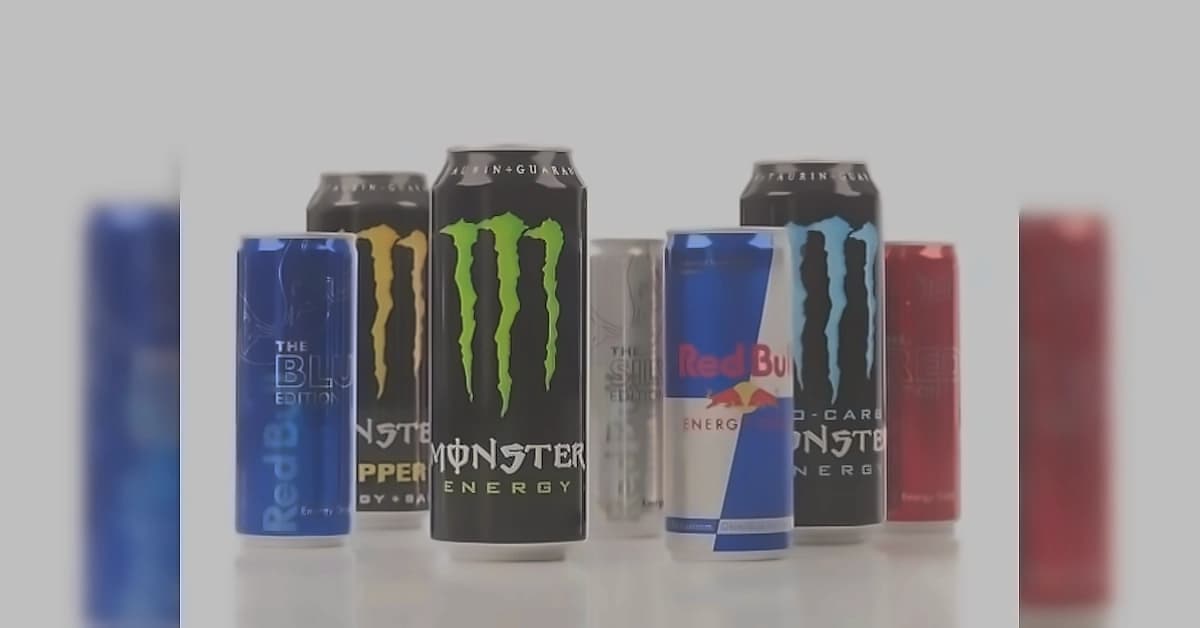
India's food safety regulator has ordered manufacturers of high-caffeine beverages sold as 'energy drinks' to stop using that description, according to documents and sources reported by Reuters. The Food Safety and Standards Authority of India (FSSAI) issued notices in early July stating there were no Indian standards for such products and that claims such as a beverage 'vitalizes body and mind' or can 'aid in general weakness' were misleading. In private communications, the FSSAI demanded that major companies including Pepsi, Red Bull, Monster Beverage, Reliance, and Hell Energy drop the 'energy drink' label or any similar descriptor. On July 1, FSSAI issued show-cause notices to six major beverage brands over labeling and marketing claims, including PepsiCo India's Adrenaline Rush Energy Drink and Sting Energy Drink, Reliance Consumer Products' Campa Energy Drink and Gold Boost. FSSAI and Punhani did not respond to Reuters queries, while Pepsi declined to comment. As part of the directive, FSSAI has instructed companies to remove the phrase 'energy drink' and other similar descriptions from product packaging and labels.
The regulatory intervention has triggered a standoff with companies who fear removing the category label could damage brands built around instant-energy claims and disrupt sales. At a closed-door meeting with senior industry executives on Friday, FSSAI Chief Executive Rajit Punhani rejected arguments over business impact, telling companies they were free to challenge the decision in court, according to sources familiar with the discussion. An Indian government source told Reuters that the industry agreed to comply with the labelling change after the Friday discussion, with the FSSAI giving companies 90 days to comply. However, as of the most recent reporting, none of the six companies named has issued a public response to the notices. The show-cause process requires each company to justify their current labeling practices or face enforcement action, giving brands a formal opportunity to contest the regulator's position before any penalty is applied. In a confidential July 6 letter to FSSAI, the Indian Beverage Association urged a 'risk-based enforcement approach' and requested regular stakeholder consultations before implementing significant interpretational changes, arguing that making regulatory notices public without prior consultation could harm corporate reputations and disrupt business operations. The Indian Beverage Association (IBA) has urged FSSAI to adopt a more consultative approach and expressed concerns about brand damage, stating that making notices public at an early stage risked damaging brand reputations, disrupting business operations and creating confusion among consumers.
India's energy drinks market has experienced explosive growth, with retail sales projected to reach $1.6 billion by 2028, growing 12.6% annually, faster than in the United States and China. According to Euromonitor, volumes rose nearly 100% annually between 2018 and 2023. Many consumers say they regularly consume these beverages because they believe the drinks help them stay alert and maintain energy levels throughout the day, with some users acknowledging they have become dependent on the products. However, the products have sparked health concerns among regulators globally who worry they contain high caffeine, sugar, and taurine. High-caffeine energy drinks will be banned for under-16s in England from April next year, and some regions in Pakistan mandate they be called 'stimulant drinks'. Regulators and health professionals have grown increasingly concerned about the health effects of high-caffeine beverages, particularly among younger consumers, with reported risks including rapid heartbeat, elevated blood pressure, and subsequent energy crashes. The regulatory action comes as India's market for high-caffeine beverages continues to expand rapidly, with Euromonitor data showing the segment accelerated after Pepsi introduced Sting in India in 2017. The brand's Rs 20 pricing strategy helped it gain popularity, particularly among consumers aged 15 to 19 years and in rural markets.
The energy drinks business relies heavily on instant-energy marketing, with Red Bull's 'Gives You Wings' slogan being globally famous and Pepsi promoting its Sting energy drink in Indian ads that show it sends lightning through the body, giving 'electrifying energy'. Consumer consumption patterns show significant dependency, with Sunny Rajvansi, 24, a bike mechanic in Uttar Pradesh state, stating he consumes Sting and Reliance's Campa Energy multiple times daily, feeling 'addicted' to them. This month, India's Rajasthan state seized thousands of Sting, Campa Energy and Red Bull as part of its enforcement drive, with the state also telling e-commerce companies including Amazon, Flipkart, Blinkit and Swiggy Instamart on July 8 to ensure no product was promoted as an 'energy drink'. Energy drinks occupy a strategically important, high-margin segment for both companies, with PepsiCo building Sting into one of its fastest-growing beverage lines by pricing it well below Red Bull and targeting price-sensitive younger consumers, while Red Bull has anchored its India strategy almost entirely around the energy drink identity since entering the market in 2009. The crackdown is no longer limited to manufacturers, with authorities instructing e-commerce platforms to ensure products are not advertised or listed as 'energy drinks'.
The Indian Beverage Association, representing major companies, said it was committed to complying with regulations and engaging constructively with regulators on science-based policy. However, in a confidential July 6 letter to FSSAI, the association urged a 'risk-based enforcement approach' and requested regular stakeholder consultations before implementing significant interpretational changes. The association emphasized that 'predictable, consultative and transparent' framework was essential for smoother compliance and reduced litigation. Industry bodies representing beverage manufacturers have argued that tighter restrictions risk undermining consumer choice and investment confidence in the sector, but the regulator's public messaging so far has not signaled any willingness to create a carve-out for established brands. For an industry that has spent years building brand identity around the promise of an energy boost, the outcome of this process will help determine whether 'energy drink' survives as a viable marketing category in India, or whether companies will need to find new language to describe products that make up a significant share of their beverage revenue. The dispute centres on how these beverages are classified and marketed, with the FSSAI maintaining that Indian food regulations do not recognise a separate category called 'energy drinks'.