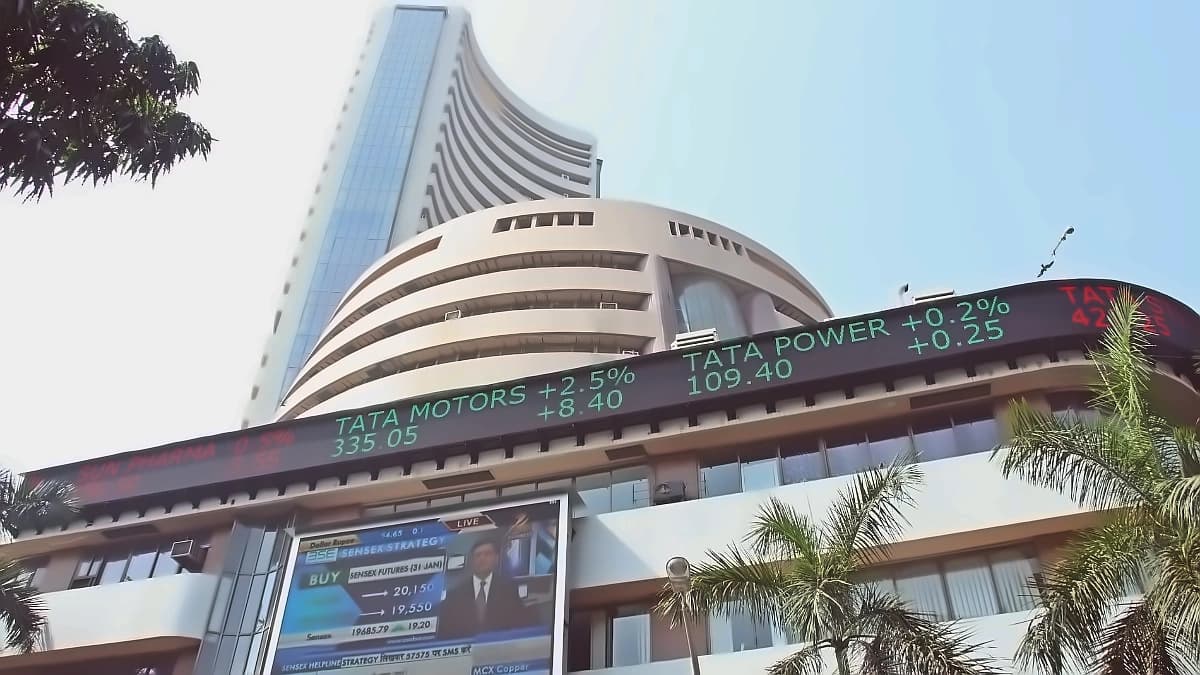
The global oxygen barrier packaging market is experiencing significant expansion, with market size projected to grow from $5,650 million in 2025 to $9,780 million by 2034, representing a CAGR of 6.3% during the forecast period 2026-2034. According to latest market analysis, food and beverage captured a 48.0% market share in 2025, driven by critical requirements for oxidation prevention in protein-rich foods, dairy, and ready-to-eat meals. The pharmaceuticals and medical sector is projected to register growth at an 8.6% CAGR during the forecast period, as rising global demand for moisture- and oxygen-sensitive biologics requires high-performance barrier integrity.
Companies are implementing substantial technical upgrades to their packaging materials and processes. As reported by Mint, dairy company Akshayakalpa Organic has moved to paperboard packaging, a material that offers strong moisture resistance, structural rigidity during transit and adequate oxygen-barrier properties to keep milk fresh. The technical shift involves switching from conventional single-layer plastic film at 20-30 microns to multi-layer laminate packaging combining materials like metalized BOPP, PET and CPP. Companies are also adding nitrogen flushing to replace oxygen inside the pack with inert nitrogen, which can push packaging costs 30-60% higher per unit than conventional alternatives. Plastipak has scaled its O2Blox technology globally, allowing beverage companies to integrate active oxygen absorbers directly into the bottle wall which removes residual headspace oxygen by 99 percent within 48 hours.
North America accounted for the largest oxygen barrier packaging market share of 31.5% in 2025, with the United States market valued at $1,243.0 million in 2025 and projected to reach $1,315.6 million in 2026. The Asia Pacific region is the fastest growing market with a 7.2% CAGR during the forecast period, driven by massive retail modernization and rapid expansion of cold chain infrastructure. China's oxygen barrier packaging market was valued at $875.8 million in 2025, with implementation of strict new labeling requirements under GB 7718-2025 establishing expiration date standards. Japan's market was valued at $339.0 million in 2025, with the national Food Loss and Waste Reduction Target pushing commercial food processors to halve perishable waste by 2030.
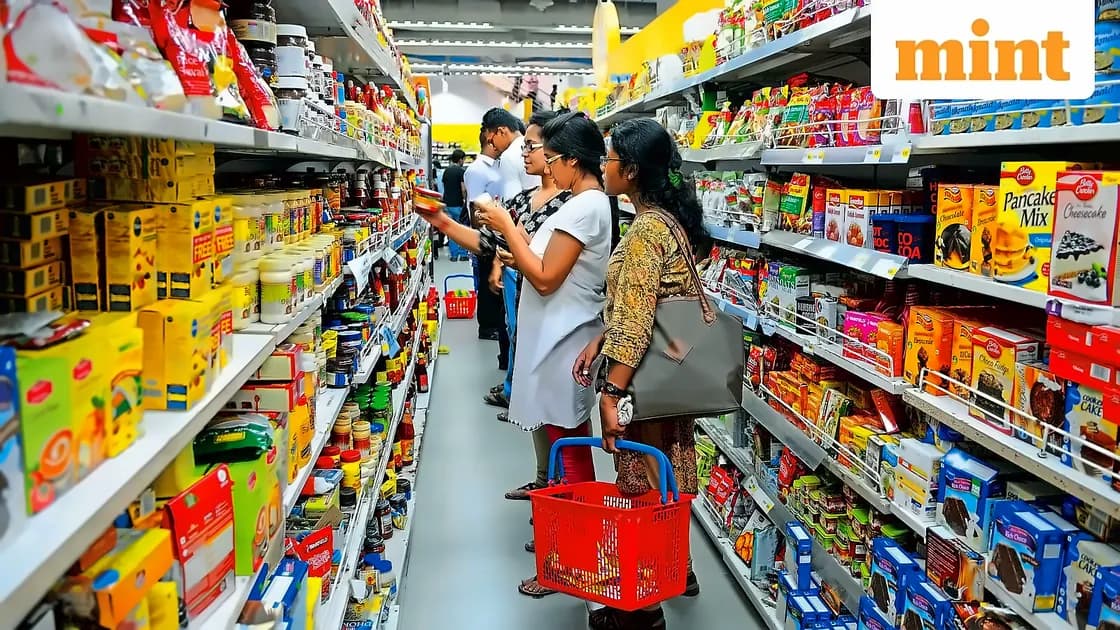
Premium packaging is delivering measurable sales improvements across multiple product categories. As reported by Mint, premium rusk commands almost double the demand of standard alternatives on Flipkart, premium namkeen about 1.8 times and well-packaged dry fruit assortments approximately 1.5 times. For popular brands, premium rusk would be ₹40-60 more expensive than regular rusk. According to Nishant Dalal, vice-president at Flipkart, attributes such as no preservatives, no added sugar, and clean-label formulations have become strong indicators of quality and trust, increasingly influencing purchase decisions.
The market is witnessing significant innovation in sustainable barrier technologies. A major shift involves applying ultra-thin graphene oxide water-based coatings onto standard paper packaging to create robust oxygen barriers, with companies like LayerOne Advanced Materials providing specialized graphene oxide formulations that improve barrier resistance by over 80% at low concentration levels. Plastic barrier films held a 54.0% market share in 2025, while fiber-based barrier wraps are projected to register growth at an 8.2% CAGR during the forecast period, driven by stringent plastic reduction regulations and consumer preference for compostable solutions. Active oxygen scavenging technology is projected to register growth at a 9.2% CAGR during the forecast period, as supply chains demand longer shelf stability and integration of scavenging agents directly into packaging walls becomes the preferred technology for premium applications.