The consumer goods sector is experiencing signs of firmer consumption recovery, with volume growth becoming more visible across companies, according to reports from The Times of India. Major companies including Nestlé and Marico reported double-digit volume growth in the June quarter, while HUL, Tata Consumer and Dabur also saw underlying volume momentum. After several quarters where growth was largely driven by inflation-led price increases, companies have reported a stronger consumer offtake, as noted by analysts and companies to TOI. Recent developments show that Indigo Paints achieved double-digit expansion in volumes across all four product categories, demonstrating the broader recovery trend across the FMCG sector.
The quarter was marked by average 8-10% raw material cost hike, primarily led by crude-linked inputs including packaging and edible oils, with a rise in palm oil prices creating pressure on margins, as reported by The Times of India. Most players resorted to selective price hikes and grammage cuts to offset cost escalation during the June quarter. Despite these challenges, companies maintained price hikes to around 3-5% while navigating geopolitical crisis and increased raw material costs through improved efficiency and limited price increases. As per Indigo Paints, the company implemented price increases in response to RM cost spikes in March-April, which have since protected margins, though raw material costs remain elevated and volatile.
The recovery in consumption growth comes as the West Asia conflict has pushed up crude-linked inputs, packaging and freight costs for FMCG companies, raising concerns that the disruption could eventually weigh on demand, according to The Times of India. However, companies are adopting strategic approaches to maintain growth momentum. Indigo Paints has divided its portfolio into three different clusters based on product sensitivity and category-specific strategies, using brand building, influencer marketing, and trade focus appropriately across different segments. The company is also focusing on dealer segmentation and micro-segmentation to activate more dealers and strengthen distribution networks, with Indigo Paints closing the quarter at 19,400 active dealers and 12,400 tinting machines, showing 800 dealer additions and 1,100 tinting machine increases over the past year.
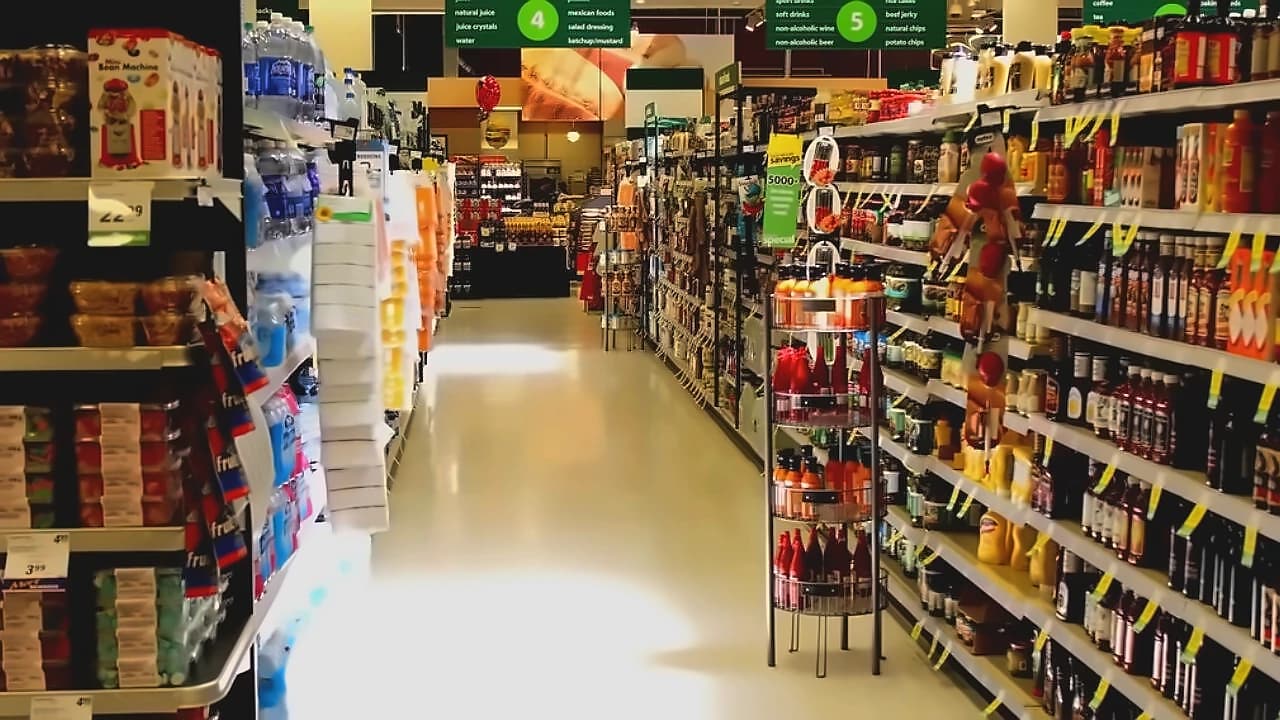
The sector's ability to maintain strong consumer demand while managing cost pressures through operational efficiency demonstrates resilience in the current market environment. Indigo Paints reports that demand is back to near normal growth conditions after two years of disappointing growth levels, with the company expecting to grow faster than industry peers. The company plans to be more aggressive in Q2 with respect to spends on trade and influencer engagements to further widen the gap between its top-line growth and industry competitors. Despite elevated and volatile raw material costs, companies are maintaining focus on improved efficiency, operational leverage, and strategic pricing to navigate the current challenging environment while capitalizing on the visible consumption recovery trend.