According to The Morning Standard, Flipkart's food and nutrition category has demonstrated robust growth with 50% year-on-year expansion. The e-commerce giant's vice president Nishant Dalal revealed that more than 60% of demand for direct-to-consumer (D2C) food brands now originates from Tier-2 cities and beyond. Traditional premium food categories, including Korean snacks, gourmet chocolates, and cold-pressed oils, are no longer confined to India's largest cities. Cities such as Dhulia, Dharwad, Imphal, Hubli, Ujjain, Mirganj and Laharpur are now witnessing strong demand for categories that traditionally performed well only in larger urban centers. As reported by The Morning Standard, cities like Ujjain and Dharwad are adopting healthier alternatives at a pace similar to larger cities, demonstrating the widespread adoption of premium food trends across smaller towns.
According to The Morning Standard, Gen Z now accounts for 60% year-on-year growth, with categories like Protein Oats, High Protein Peanut Butter, Gourmet Chocolates, and Protein Muesli topping the demand chart. Korean-flavoured snacks such as Cuppa Noodles and chips are emerging as fast-growing categories, led by demand from urban centers like Bengaluru and New Delhi. Men are driving demand for nuts and dry fruits, chocolates, and jams and spreads, while women are increasingly adding value-added tea, coffee, and edible seeds to their shopping baskets, fueling demand for functional nutrition, premium snacking, and everyday health upgrades. Bharat consumers are seeking healthier alternatives, driving strong traction in cold-pressed oils, olive oils, protein oats, protein muesli, premium dry fruits, authentic ghee, and dates. The search for these products has grown by 80% over the past year, reflecting a shift towards proactive wellness led by Tier 2 and Tier 3 India.
According to The Morning Standard, quick commerce remains a key contributor, with Flipkart Minutes accounting for 25% of overall food category demand. The company is leveraging artificial intelligence to enhance its shopping experience, with AI tools improving search functionality and personalizing recommendations based on customer preferences, dietary habits and shopping behavior. For sellers, AI tools improve product discoverability and optimize listings while sellers retain control over pricing, assortment, inventory and promotional decisions. Food discovery is increasingly becoming content-led, with consumers discovering recipes, wellness routines and trending foods through creators and short-form videos. The company expects customer acquisition to receive another boost through its annual Flipkart Food Fest, where over 50 brands, 1,000 creators and celebrity chefs came together to launch new products and drive food discovery.
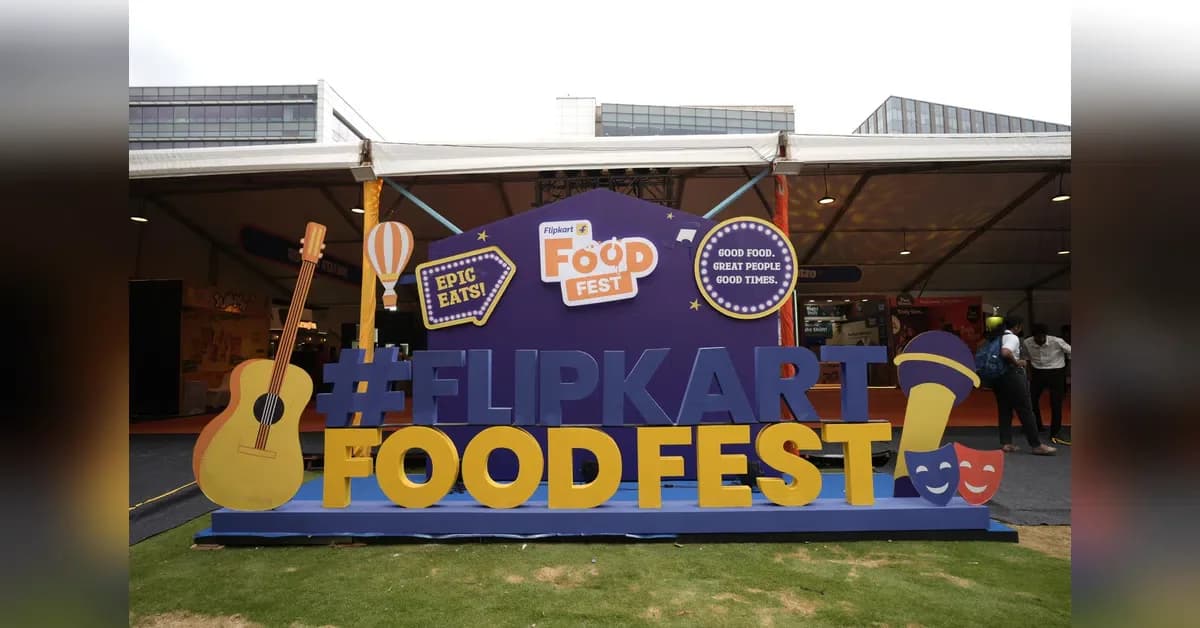
Bringing these trends to life, Food Fest 3.0 brought together over 50 leading food and beverage brands, over 1,000 creators and influencers, along with renowned personalities including Farah Khan, Chef Kunal Kapur, Chef Ranveer Brar, Sunil Grover, Gaurav Kapoor, and Aaditya Kulshreshth and Vanshika Khurana. The two-day festival featured more than 10 product launches, immersive brand experiences, and curated zones including Chocoland, Breakfast Zone, Gourmet, Beverages, and Kitchen Staples. Brands including Happilo, Anveshan, Farmley, Ferrero Rocher, Right Shift from ITC, Yogabar, Wonderland, Kelloggs Luvit, Alpino, Sugarfree D'lite unveiled new products, while leading FMCG companies such as Mondelez, Tata Consumer Products, Dabur, Fortune and MyFitness showcased innovations alongside emerging D2C brands. Food Fest 3.0 kicked off with its on-ground celebration on July 7th and 8th, followed by an in-app sale from July 7 to 15, featuring limited-time offers, curated collections, and exciting new brand launches for shoppers across Bharat.