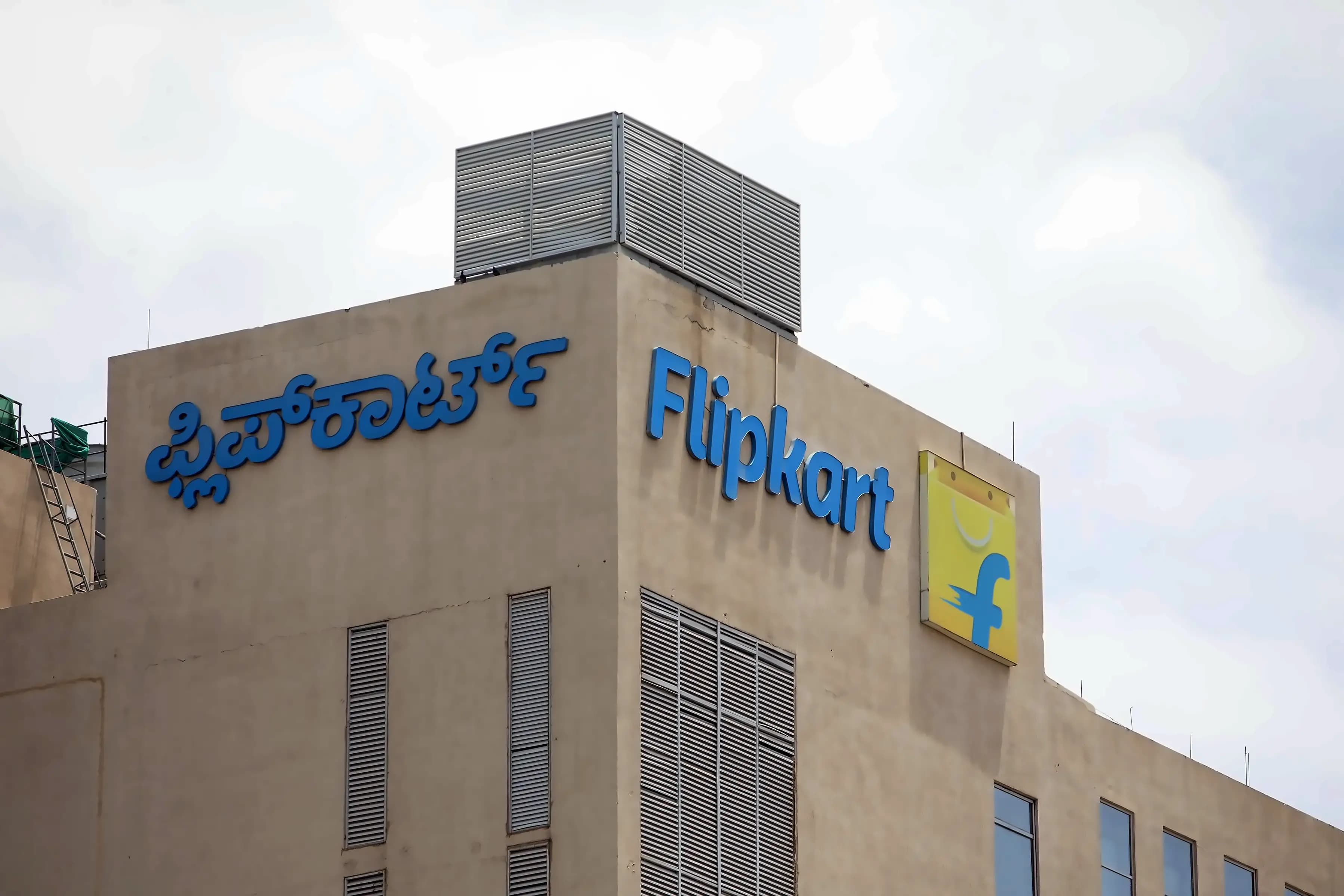
Flipkart recorded 6.3 million concurrent users in a minute during the opening hour of the 13th edition of The Big Billion Days (TBBD), with nearly one in two visits coming from Tier 3 towns and beyond. Every 15th Indian online shopper visited Flipkart in the first hour, with more than six times as many Indians shopping on the platform as in a regular hour, while new customer growth increased by 34%. The company's ultra-fast delivery service Flipkart Minutes saw order volumes rise to 3.5 times those on regular days, with new customer growth reaching 11 times the usual level in the first hour. Sardulgarh, Panskura, Sheikhpura and Kishanganj were among the fastest-growing markets, with Flipkart Minutes delivering more than 1,600 men's perfume units per minute at peak.
Non-metro cities are emerging as the key growth engine for Amazon India, accounting for around 70-80% of the e-commerce major's new customers, according to Saurabh Srivastava, vice-president at Amazon India. Tier-II and Tier-III cities account for 70% of new Prime customers, with Prime customers actually shopping five to ten times more than non-prime customers. The shift in customer growth is accompanied by rising premiumisation in smaller cities, with consumers outside metros increasingly opting for higher-priced and better-quality products across categories. In smartphones, more than 50% of units sold are now priced at ₹30,000 or above, compared with earlier concentration in the ₹15,000-20,000 range. The trend extends beyond electronics, with consumers moving from ₹200 moisturisers to ₹600-800 Korean beauty products and from ₹200 bedsheets to products priced around ₹1,200.

Premium and flagship smartphones saw strong demand, with one in four customers opting for product exchange and one in three choosing no-cost EMI. Large appliance sales grew 30% year-on-year in the first hour, while tablet sales grew 73%. Beauty sales rose 42% year-on-year, led by men's grooming and self-care, with Flipkart selling more than 1,600 men's perfume units per minute at peak. Premium Android smartphone sales grew 70% year-on-year, led by products such as Apple iPhone 16, Samsung Galaxy S25 Ultra and others. MacBook Neo sales were 65 times those on a regular day, while premium wearables sold at 80 times the rate of a regular day, led by Garmin, Apple, Samsung and Amazfit.
Online festive sales are projected to grow as much as 29% this year to ₹1.55 trillion ($17.6 billion), from ₹1.20 trillion in 2025, according to Datum Intelligence. Quick commerce, which promises delivery within minutes, is expected to account for about 16% of festive sales, up from 12% last year. Both Flipkart and Amazon are leveraging rapidly expanding delivery networks to capture this growing demand, with speed of delivery as the main highlight for shoppers increasingly expecting not only groceries and personal care items but also smartphones, electronics and appliances to arrive within minutes.
Amazon said its flagship festive sale event, Amazon Great Indian Festival (AGIF) 2026, had its biggest-ever opening, with customers in India ordering more than twice as many products year-on-year. Customers from every PIN code in India have already placed orders across smartphones, consumer electronics, fashion, beauty, home, kitchen and everyday essentials. One out of every two customers shopped using EMI, and one out of every three units bought was rewarded with cashback. Prime members saved more than 100% over last year with Prime-only offers available on the largest curation of products. Premium Android smartphone sales grew 70% year-on-year, with premium wearables selling at 80 times the rate of a regular day.
"Thirteen years ago, digital commerce in India was a novelty. Today, it is infrastructure," said Kalyan Krishnamurthy, CEO of Flipkart Group, pointing to the platform's 500 million registered customers and 1.4 million sellers. The October push is consequently becoming as much a logistics contest as a discount war, with Amazon adding 20 fulfilment centres and 150 last-mile delivery centres, while Flipkart's network now spans more than 8,200 fulfilment and delivery facilities. Over 60% of TBBD customers come from Tier-II and Tier-III markets, with Flipkart's campaign reflecting this through regional languages and locally relevant activations. Gen Z is expected to contribute about 40% of festive traffic for Flipkart, with the company expecting around 200,000 active creators during the sale as short-form video and live commerce increasingly shape product discovery.