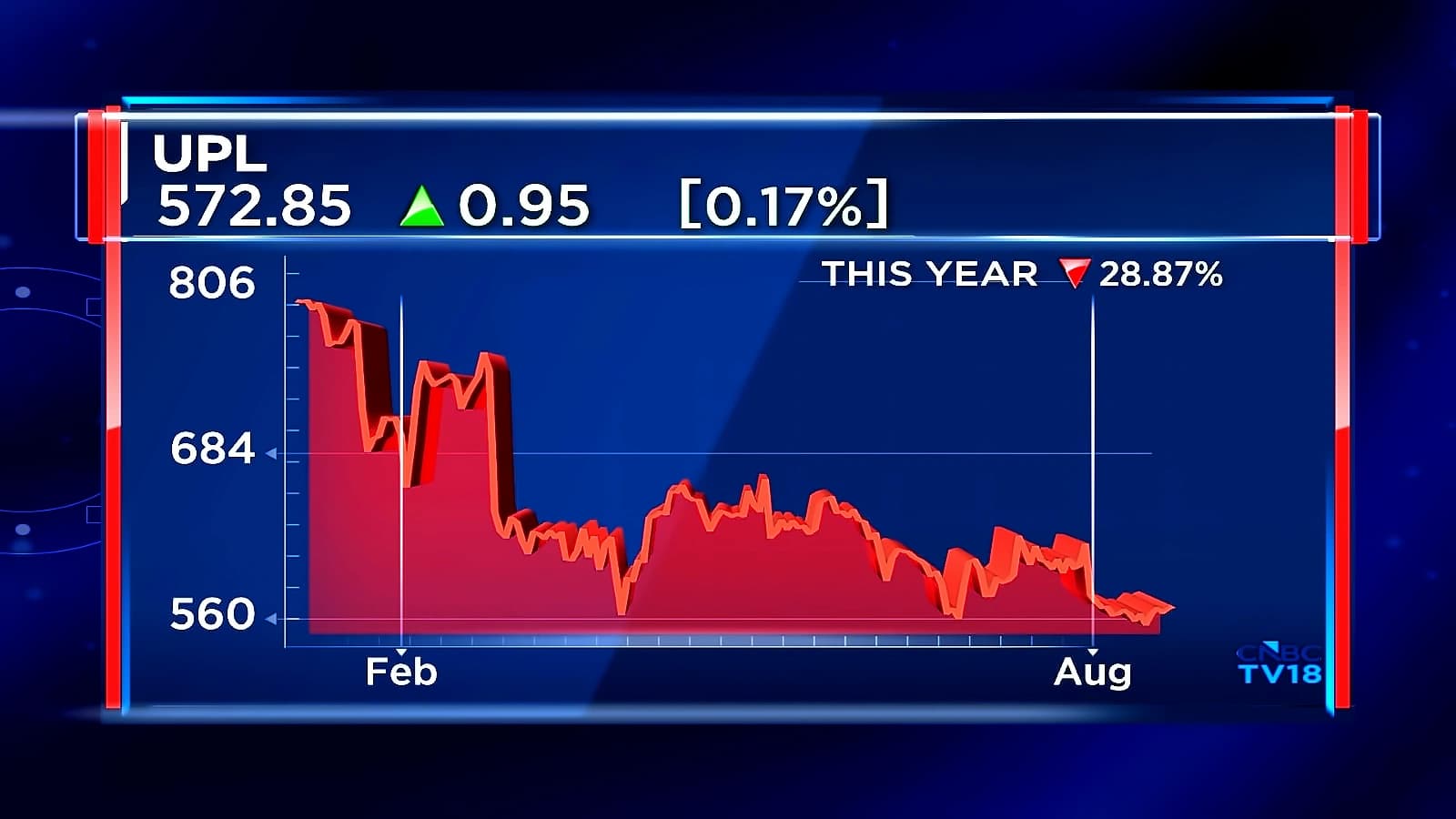
Fertiliser stocks experienced significant declines on Monday, April 13, following reports of China's planned export ban on sulfuric acid. According to reports from Upstox, Coromandel International shares declined as much as 3.87% to hit an intraday low of ₹2,071, while FACT shares fell as much as 4.12% to hit an intraday low of ₹822. Deepak Fertilisers shares dropped as much as 5% to hit an intraday low of ₹1,034 and National Fertilisers declined as much as 4.4% to an intraday low of ₹71.79. Other major fertiliser companies including Rashtriya Chemicals and Fertilisers, National Fertilisers, Madras Fertilisers, and Nagarjuna Fertilisers also fell between 1% and 3%. As per HomeStocksNews, this represents a double supply shock that threatens to inflate input costs for key players like Coromandel International and Chambal Fertilisers, potentially squeezing margins and earnings.
As reported by Bloomberg, China is planning to ban export of sulfuric acid from May, which will impact the metals and fertilizer industries. The ban comes at a time when these industries are already strained by raw material bottlenecks resulting from the Iran war. According to HomeStocksNews, China plans to stop exporting sulphuric acid from May, prioritizing domestic needs ahead of its peak planting season. Some sulfuric acid producers in China have recently received notices that the ban will cover sulfuric acid generated during copper and zinc smelting processes within China, sources quoted by Bloomberg confirmed. Companies and buyers have reportedly been informally notified of the shift, intended to secure supply for China's own agricultural and industrial needs. This restriction will tighten the global supply of this vital industrial chemical, with global prices for sulphuric acid already trending upward since the conflicts began.
According to analysts cited by Upstox, the report of the sulfuric acid ban exacerbates existing pain for Indian fertiliser makers, which were already suffering from supply constraints of urea and di-ammonium phosphate due to closure of the Strait of Hormuz. As per HomeStocksNews, the closure of the Strait of Hormuz has severely hampered shipments from the Middle East, which accounts for nearly a third of global sulphur production. This key route through which raw materials for making fertilisers are supplied has been disrupted, compounding the challenges faced by the industry. India imported approximately $118 million worth of sulphuric acid in 2024, highlighting its import dependency on this vital industrial chemical. Since the start of the war between the US and Iran, sulfuric acid prices continued to rise as the blockade of the Strait of Hormuz disrupted sulfur supplies from the Middle East, which is crucial for certain copper extraction and phosphate fertilizer production.
The Middle East supply crisis has extended beyond Iran, with Turkey announcing a sulphur export ban from April 7, 2026, excluding shipments already cleared by customs. According to Argus Media, this restriction applies during the second and third quarters of 2026, with limited exemptions. Turkey exported approximately 226,500 tonnes of sulphur in 2025, with the majority going to Egypt, Tanzania, Greece and Lebanon. Meanwhile, Pakistan's Mannheim SOP producers have cut run rates to 50-75% from 80-90% due to tight sulphur supply from Iran. Domestic sulphuric acid prices in Pakistan have surged to ₹300,000 per tonne ($1,077 per tonne) from ₹100,000 per tonne in February, while Iranian sulphur indications are now at $750-780 per tonne cfr. The combination of these regional restrictions creates a double supply shock that threatens to significantly impact global fertiliser production and supply chains.

As reported by Upstox, on Friday, fertiliser shares had come under buying interest after the United States and Iran announced a two-week ceasefire. However, most fertiliser shares were trading lower on Monday, with the benchmark NIFTY50 index down 1.3% as of 11:12 am. The fertiliser sector's decline reflects broader market concerns about the impact of geopolitical tensions on global supply chains and raw material availability. According to HomeStocksNews, the supply squeeze will likely impact global copper producers, especially in regions like Chile, the Democratic Republic of Congo, and Zambia, where sulphuric acid is crucial for metal extraction. The combination of China's export ban and Middle East supply disruptions creates a double supply shock that threatens to significantly impact the global fertiliser and metals industries.