The government has ruled out imposing airfare caps during the upcoming festive season but will advise airlines to maintain reasonable ticket prices, according to civil aviation minister K Rammohan Naidu speaking to reporters on Tuesday. As per The Times of India, the minister stated that the government has successfully handled airfares during festivals and important events in the past by engaging with airlines directly. This announcement comes as the aviation sector faces unprecedented fare increases, with economy-class airfares experiencing their sharpest increases since Covid-era fare caps were removed in August 2022.
Economy-class airfares experienced their sharpest increases since Covid-era fare caps were removed in August 2022, with 17 of India's 20 busiest domestic routes recording their biggest year-on-year increases in June 2026, according to aviation analytics firm Cirium's data reviewed by Business Standard. The surge was even more pronounced than previous years - in June 2024, average economy fares fell on 17 of the 20 routes, while in June 2025 the market was evenly split. Fares rose over 15% on 11 routes and over 30% on five routes in June 2026, with the Mumbai-Bengaluru route seeing a 38.8% surge after previously falling 15.1% and 1.3% in June 2024 and June 2025 respectively. Airlines are willing to lose some price-sensitive passengers who travelled when tickets were cheaper, while essential travellers are considered more willing and able to pay higher fares, as reported by industry executives.
At the premium end, business-class fares fell on 16 of the 20 busiest domestic routes in June 2026, with falls as steep as 49.3% year-on-year, as reported by Cirium. This represents a significant shift from previous years - in June 2024, business-class fares fell on 19 of the 20 routes, while in June 2025 they were evenly split. The Delhi-Srinagar route showed the widest gap with economy fares jumping 85.1% while business-class fares fell 20.1%, while the Bengaluru-Chennai route saw economy fares rise 34.9% while business-class fares plunged 49.3%. Industry executives attribute this correction to business-class fares previously rising to levels considered higher than warranted, with Air India noting increased business-class passenger volumes and strong interest in premium products. Airlines are willing to lose some price-sensitive passengers who travelled when tickets were cheaper, while essential travellers are considered more willing and able to pay higher fares.
Jet fuel prices surged 32.7% between February and September 2026 following the West Asia conflict that began with Israeli and US attacks on Iran on February 28, according to Cirium data. This marked a significant increase from the 0.75% rise between September 2025 and February 2026. Airlines also reported less need to use low fares to stimulate traffic, with carriers willing to lose price-sensitive passengers while focusing on essential travellers who are considered more willing to pay higher fares. Air India specifically noted that business-class fares have risen through the current financial year driven by demand and higher operating costs.
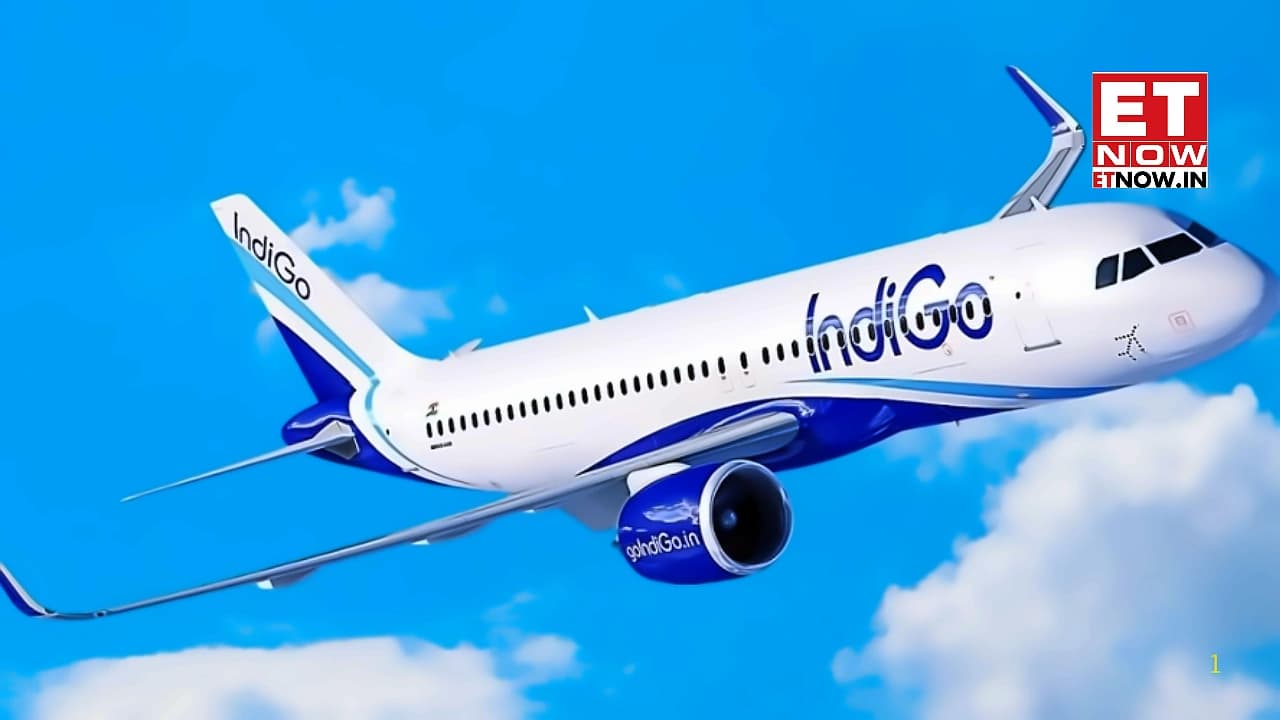
IndiGo entered the business-class market in November 2024 with IndiGoStretch, initially launched on the Delhi-Mumbai route offering 12 seats with wider seats, 38-inch pitch, and complimentary meals. The product has since expanded to 10 domestic routes including Delhi-Pune, Mumbai-Hyderabad, and Chennai-Mumbai, as reported by Cirium. However, analysis of the data suggests IndiGoStretch alone does not explain the broader decline in business-class fares - on the 10 routes where it operates, average business-class fares fell between 2.9% and 7.5% year-on-year in June 2026. The Delhi-Mumbai route, where IndiGoStretch has operated since November 2024, saw business-class fares fall 6.4% despite the product's presence, indicating a broader correction in premium pricing across the industry. IndiGoStretch operates on 10 of the 20 busiest domestic routes, but fares fell on six routes by between 3.9% and 49.3% on routes without the product, while rising on four routes.
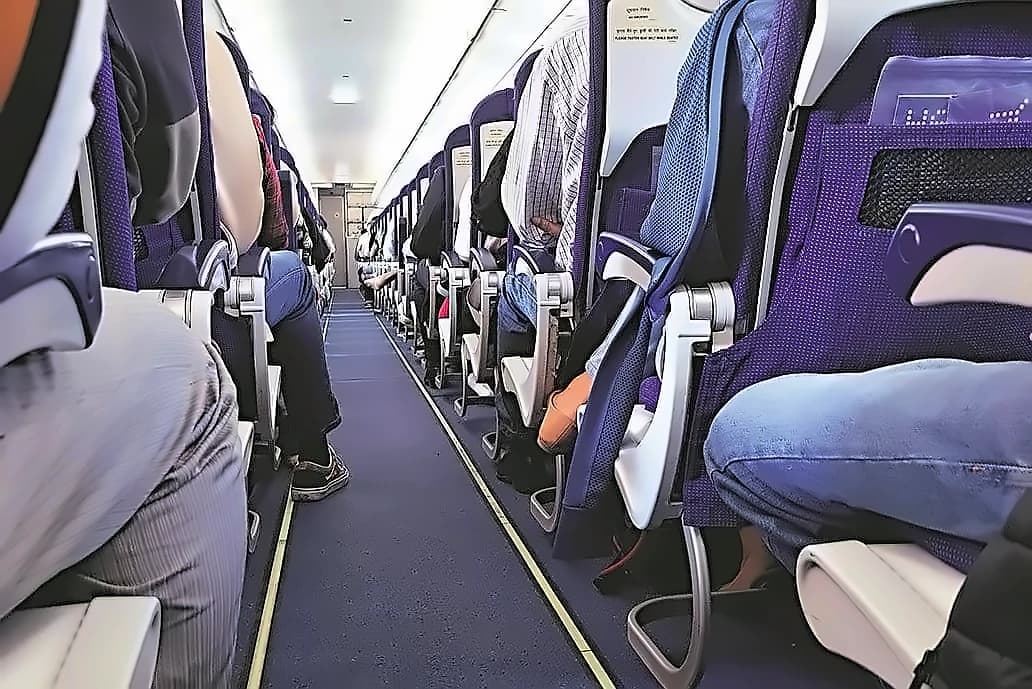
The economy fare surge was primarily driven by capacity failing to keep pace with demand across India's busiest routes, according to Cirium's analysis. This constraint occurred even before the West Asia conflict began affecting jet fuel costs. Average economy fares rose on 19 of the 20 busiest domestic routes in February 2026, with just one route recording a decline, demonstrating the underlying demand-supply imbalance in the economy segment. Cirium's figures are based on the actual base airfare paid by passengers to airlines, excluding taxes and fees, averaged for each month, showing the consistent trend of economy passengers facing sharply higher fares while business-class travellers are seeing prices move in the opposite direction.