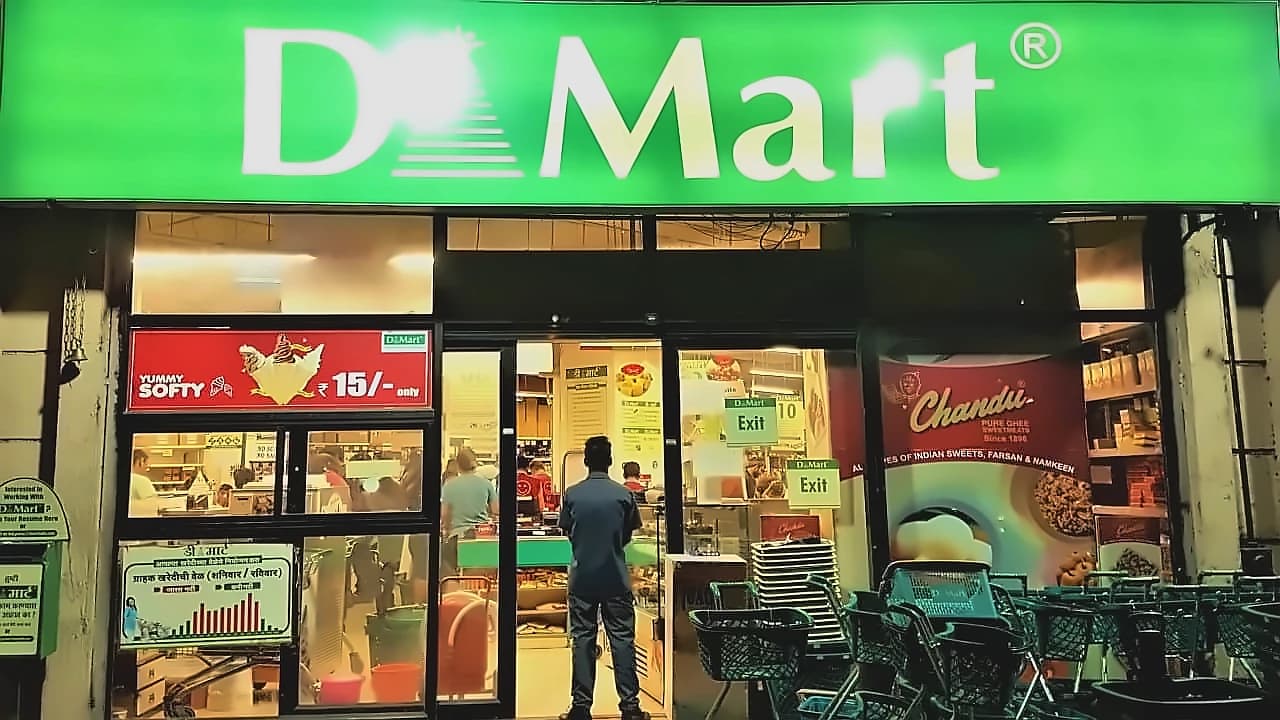
Shares of Avenue Supermarts Ltd., parent company of the hypermarket chain D-Mart, gained 2.25% to ₹3,934.60 on Thursday morning, marking a notable uptick from the previous session's recovery. According to Moneycontrol, this movement comes amidst generally bearish sentiment on the stock following the company's analyst meet. The stock had recovered from early losses on Wednesday, July 29, trading largely flat at ₹3,860 after falling more than 6% in the previous session following the company's analyst meet. The recovery came after investors initially reacted negatively to management's disappointing FY27 expansion guidance, with the stock having pared its year-to-date gains to around 4% following the analyst day commentary.
Despite market concerns, D-Mart reported robust financial results for the June quarter of FY27, demonstrating consistent growth across key metrics. According to Moneycontrol, the company reported an 11.33% year-on-year increase in its consolidated net profit to ₹860.44 crore for Q1FY27. Revenue from operations was up 14.9% to ₹18,794.53 crore during the quarter under review. However, growth in mature stores slowed to 5.5% from 10.8% in the previous quarter, as metro store productivity came under pressure from rapid-grocery delivery players. During the quarter, Avenue Supermarts added three new stores, taking the total store count to 503. The company crossed the 500-store milestone ending the June quarter with 503 outlets, with CEO Anshul Asawa emphasizing that execution would be the company's biggest priority to support a much bigger footprint.
The company has demonstrated consistent financial growth over the past five years, with Moneycontrol reporting that revenue for the year ending March 2026 reached ₹68,820.74 crore, up from ₹59,358.05 crore in FY25. Net profit also increased to ₹2,969.86 crore in March 2026 compared to ₹2,707.45 crore in March 2025. The company's Earnings Per Share (EPS) for FY26 stood at ₹45.65, up from ₹41.61 in the previous year, while Book Value Per Share (BVPS) improved to ₹375.23 in March 2026 from ₹329.29 in March 2025. Return on Equity (ROE) was recorded at 12.14% in March 2026, with the company maintaining a debt-to-equity ratio of 0.04 in FY26. Quarterly performance for the period ending June 2026 shows consolidated revenue at ₹18,794.53 crore, an increase from ₹17,683.86 crore in March 2026, with net profit for the June 2026 quarter reaching ₹860.44 crore, up from ₹656.42 crore in the preceding quarter.
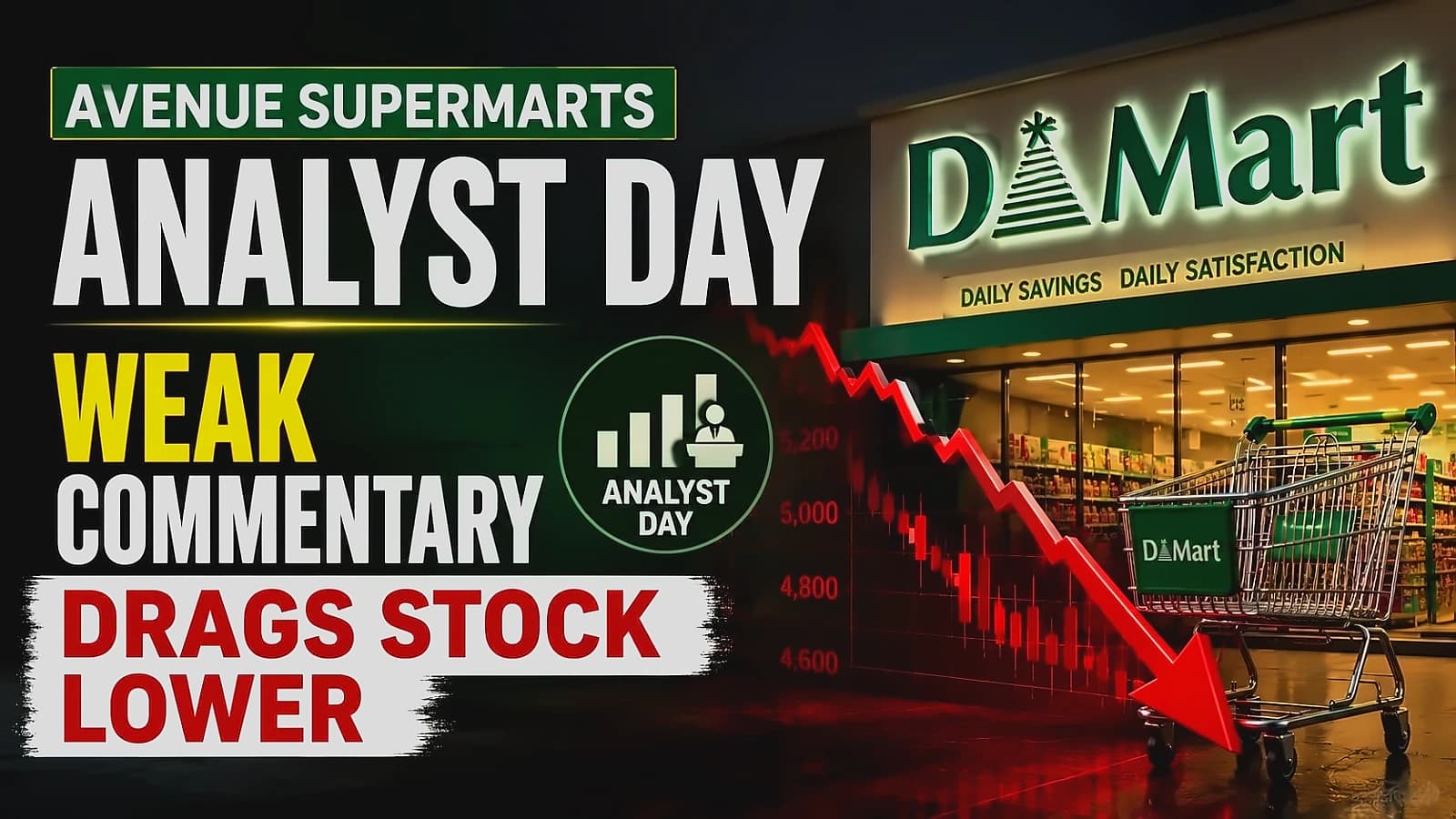
Major brokerages have responded to D-Mart's slower expansion guidance by trimming their target prices, reflecting concerns about the company's growth trajectory. HSBC maintained its 'Reduce' rating with a target price of ₹3,530, noting that the company's guidance to expand stores by 15% of the existing base was weaker than its expectation of 90 store additions in FY27. The brokerage lowered its earnings estimates by 1-2% after trimming store addition assumptions, citing lower-than-expected store expansion ambitions. CLSA reiterated its 'High Conviction Outperform' rating with a target price of ₹5,723, believing the company continues to strike the right balance between growth and profitability despite acknowledging that the 15% store addition target was below consensus expectations. Morgan Stanley maintained its 'Overweight' recommendation but lowered its target price to ₹4,464 from ₹4,827, cutting its FY27 store opening estimate to 75 stores from 85 and reducing same-store sales growth forecast to 7% from 8%.
The primary driver of the stock decline was D-Mart's management indicating a store expansion target of around 15% annually, implying approximately 75 new stores, which is below the market's expectation of 80-100 additions. As reported by Mint, CEO Anshul Asawa said the company's management reiterated its ambition to add stores at around 15% annually, with the potential to move towards 20% depending on land availability and execution. The expansion target is below the 85 stores opened in FY26 and well short of market expectations for nearly 100 additions, raising concerns that D-Mart's expansion could slow at a time when competition in food and grocery retail is intensifying. To accelerate expansion in land-constrained markets such as the National Capital Region, the retailer said it is increasingly open to long-term leases, with 68 of its 503 stores operating under such agreements, including 15 of the 85 stores added over the past year. According to CNBC TV18, the company also indicated that a larger proportion of future store additions will be through the leased model, which analysts believe could be aimed at conserving operating and free cash flow.