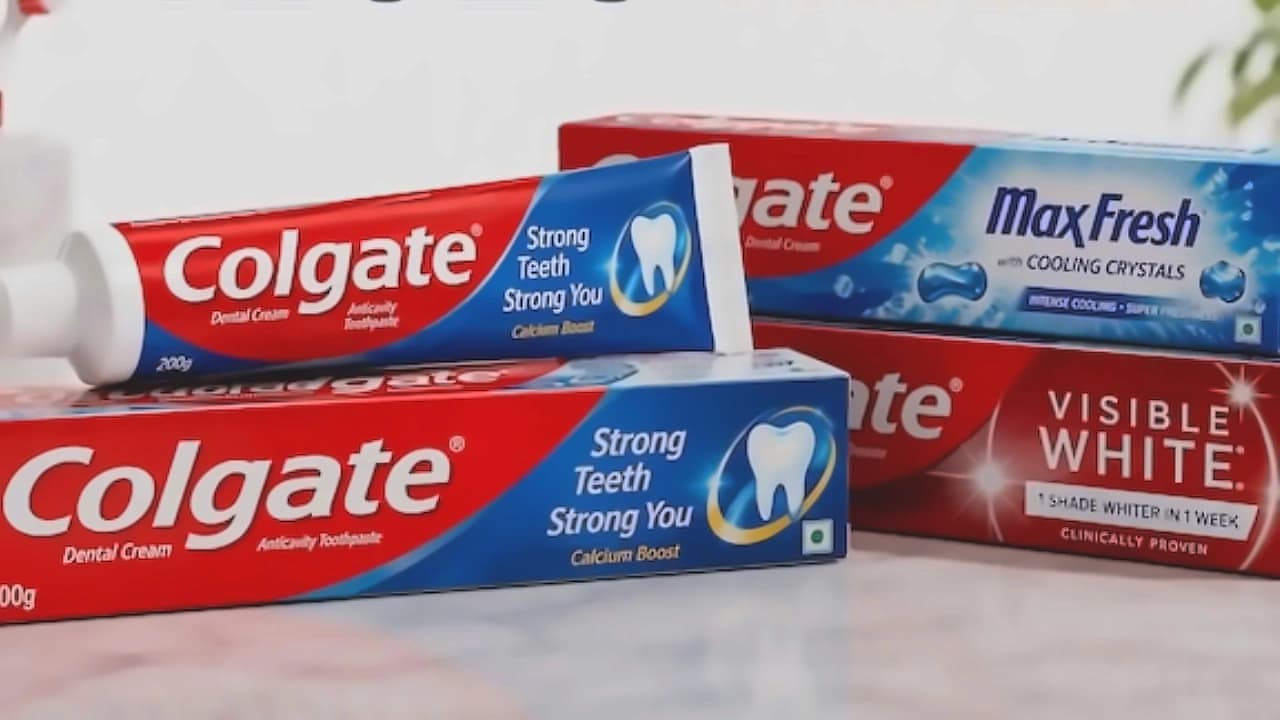
India's oral-care market remains significantly underpenetrated, with consumption patterns lagging behind several other markets. According to reports from Colgate-Palmolive India, urban India's toothpaste consumption is approximately 0.7 times that of the Philippines, while rural India stands at about 0.5 times. The company has identified this substantial gap as a key opportunity for growth in the toothpaste and toothbrush segments, with consumption patterns in India remaining below those of several other markets.
Toothbrush replacement habits in India also indicate room for improvement compared to global standards. As reported by Colgate-Palmolive India, the average Indian replaces a toothbrush every nine months, significantly longer than the six months recommended by dentists and the three months observed in the Philippines. This extended replacement cycle suggests potential for increased oral-care product consumption across the market.
Under Managing Director and CEO Prabha Narasimhan, Colgate-Palmolive India is implementing a grassroots approach to build oral-care habits rather than relying solely on conventional marketing strategies. The company sees its extensive retail network as a significant advantage in expanding oral-care consumption, reaching around 7.1 million outlets across India, about three times the size of its closest competitor. This network provides substantial reach for building awareness and oral-care habits at the grassroots level through on-ground programmes and awareness initiatives.
The company's grassroots initiatives have demonstrated significant reach across India's educational infrastructure. The Bright Smiles, Bright Futures program has successfully reached 1.2 million children across 40,000 schools, with the initiative working with eight state governments and running for more than four decades. The programme includes live demonstrations and provides children with toothbrushes, toothpaste and a brushing calendar to track their habits at home. In more than 1,200 schools, Colgate has also painted wall murals promoting the importance of brushing twice a day, indicating the scale of potential impact through targeted educational outreach programs.