Cognizant Technology Solutions Corp. and Travelport have announced the next phase of their strategic partnership, committing both companies to a single objective: making Travelport the first truly AI-native platform in global travel retailing. Building on 20 years of collaboration, the companies are accelerating efforts to embed AI across the platforms, products and operations that power the travel industry. The partnership spans three key areas: technology transformation through AI-assisted engineering, business process transformation through workflow automation, and product innovation through embedding AI-native capabilities. According to PRNewswire, Cognizant teams will engage with Travelport across 18 countries, delivered through Cognizant's AI Builder approach.
Cognizant Technology Solutions Corp. is undertaking what is arguably its largest restructuring in nearly four years, merging its application development, digital engineering and software testing practices into a single group as clients demand greater returns on their artificial intelligence investments. According to internal memos accessed by Mint, the Nasdaq-listed company started reorganizing its business into three "building blocks" effective 26 October: Industry Delivery Units (IDUs), Frontier Capability Units (FCUs) and Application Services Units (ASUs). The restructuring is part of Cognizant's efforts to prepare for an AI-driven market, where companies are reassessing the work they outsource to technology services providers.
Since announcing their AI transformation in May 2026 alongside Anthropic, Cognizant and Travelport have completed the first phase of the initiative, establishing the foundational platforms, architecture and modern engineering practices required for AI-enabled delivery. As reported by PRNewswire, AI tooling is now being introduced across the software development lifecycle, including code generation, test creation and pull-request review, with further opportunities for workflow automation identified. The initial engineering focus is Travelport Trip Services, which handles bookings, exchanges, refunds and servicing worldwide. The resulting gains in engineering speed and quality are intended to accelerate the delivery of new AI capabilities to Travelport's customers.
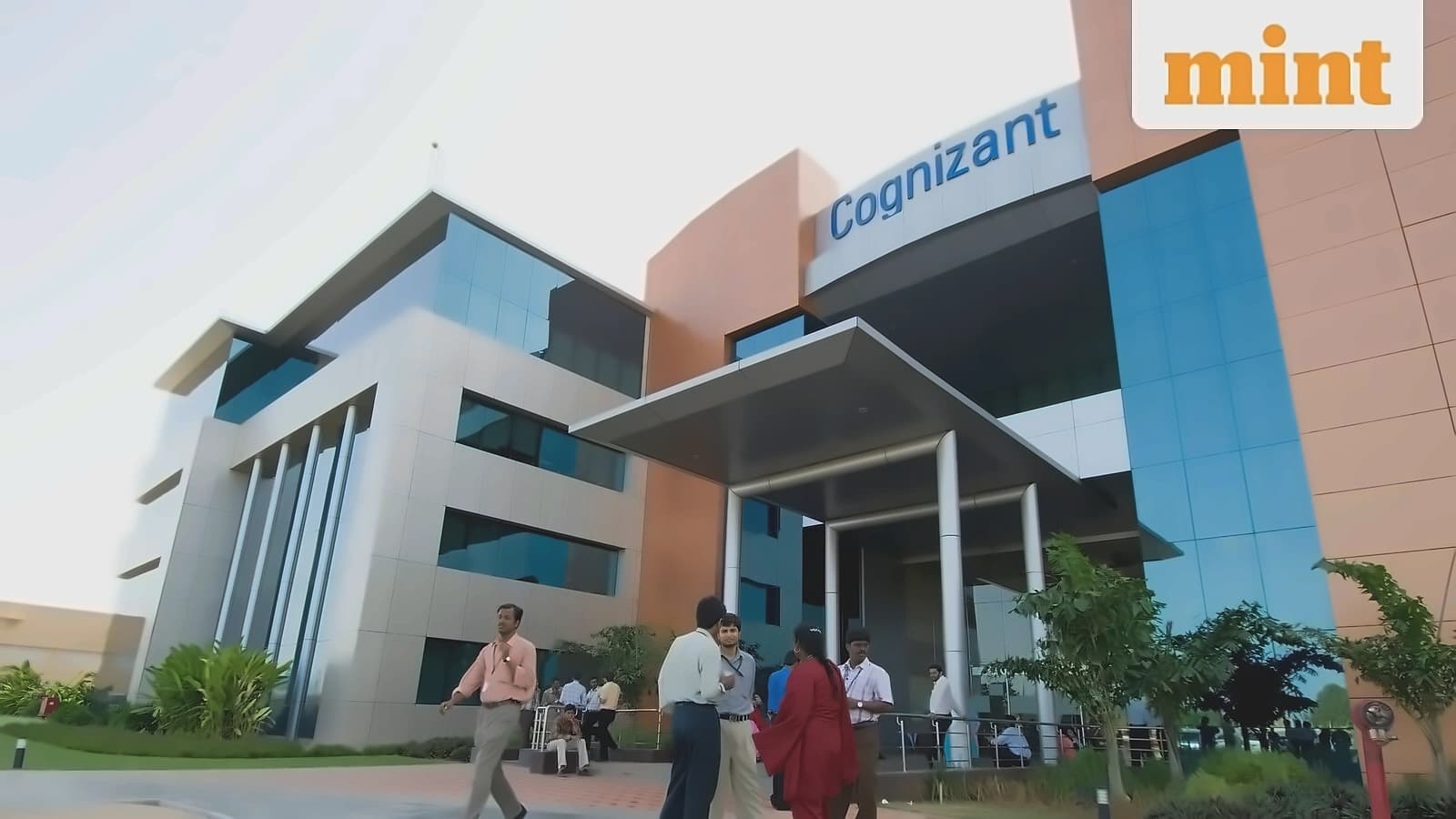
Cognizant ended 2025 with revenue of $21.1 billion, up 7% from a year earlier, according to company reports. The company, which follows a January-December financial calendar, has nearly three-fourths of its workforce based in India. Cognizant attributed the restructuring to clients' demand for better returns on AI investments, stating that "the gap between AI investment and proportionate returns is the defining challenge enterprises face today." The company is addressing this technology gap through four areas: developing products with embedded AI, optimizing operations for efficiency, modernizing applications, and assuring quality through governance layers.
The partnership addresses critical challenges in the travel industry, where booking systems built for a different era struggle to interpret AI-powered traveler requests. As noted by John Mangelaars, Chief Executive Officer of Travelport, "Understanding a traveler's intent, resolving disruption before it reaches them, turning a complex itinerary into a confirmed booking in a fraction of the time it takes today, these are step changes for airlines, agencies and travelers." The collaboration builds on one of Cognizant's longest-running client relationships and expands its role in helping modernize the platforms that power global travel. Looking ahead, the companies plan to continue expanding platform modernization efforts and bring new AI-powered capabilities to Travelport's customers worldwide.
In April, Cognizant announced Project Leap, a transformation programme involving increased investments in AI, integrated digital offerings, and workforce upskilling. According to company reports, Cognizant expected the programme to cost $230-320 million, including $200-270 million of employee severance and other personnel-related costs, but generate savings of as much as $300 million this year. Chief executive Ravi Kumar S described AI as "magical" during the company's second-quarter analyst call on 29 July, and the company is stepping up its focus on clients with annual revenue of $1 billion to $5 billion, citing their AI needs.