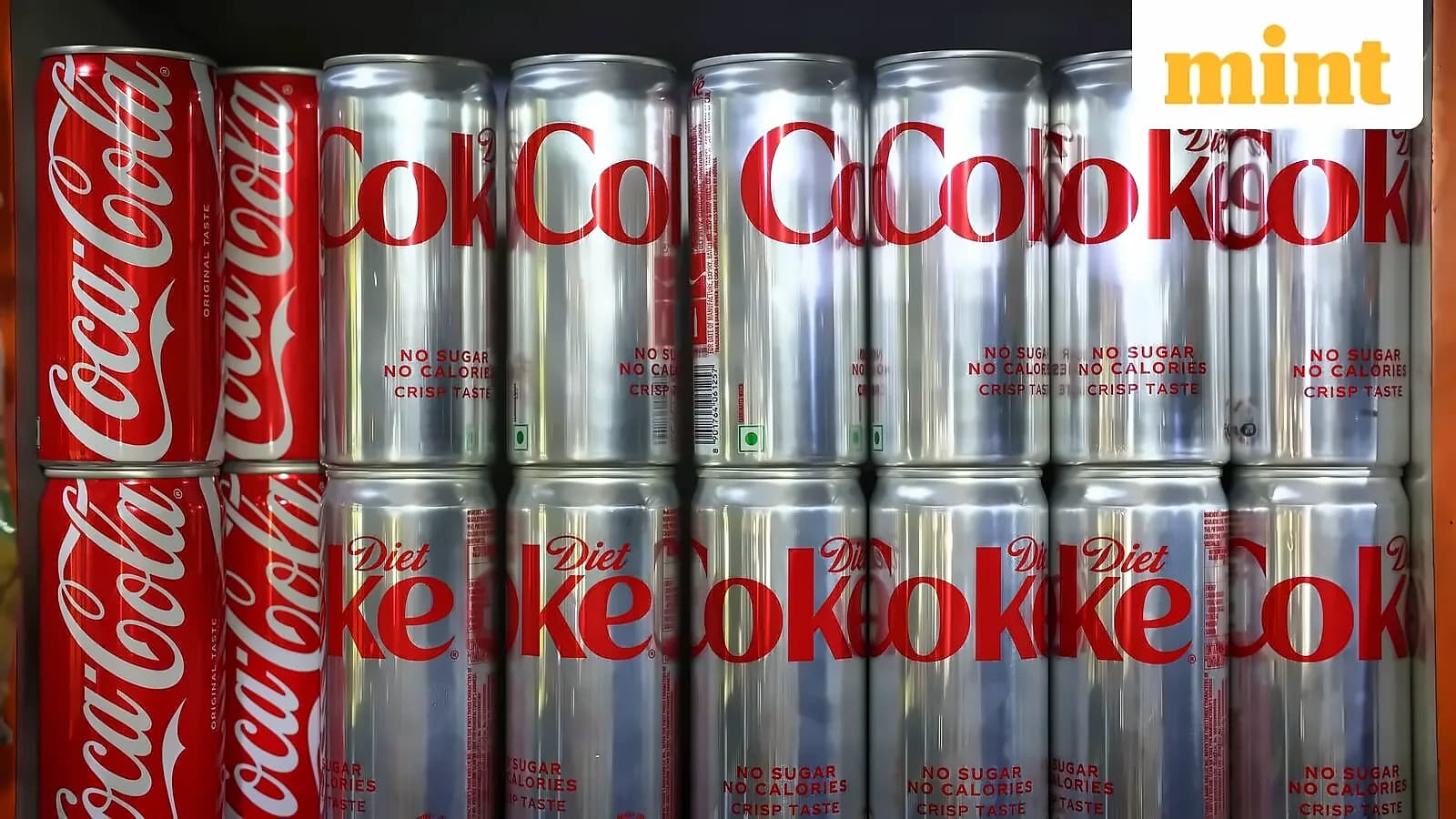
The Coca-Cola Company delivered exceptional second-quarter results that exceeded Wall Street expectations, driving shares to a record high. Net revenues reached $13.4 billion, surpassing the expected $13.16 billion, while comparable EPS of $0.97 beat estimates of $0.93. The stock surged more than 6% in early U.S. trading on Tuesday, adding approximately $32.98 billion in market capitalization. CEO Henrique Braun stated: "We delivered another strong quarter by staying close to the changing needs of our consumers and customers. While we continue to see a dynamic consumer landscape, we leveraged our powerful brands and system to gain value share, delivering revenue, profit and earnings growth while also investing for the long term." The strong performance reinforced investor confidence in Coca-Cola's ability to maintain outperformance against peers like PepsiCo.
A sweeping advertising drive during soccer's expanded World Cup tournament, which began in June and ended earlier this month, contributed significantly to volume growth across key brands. The company reported 5% volume growth for its eponymous Coca-Cola brand and 8% for its Powerade sports drink, with the marketing campaign "contributing to a portion" of this uptick. Despite elevated marketing and input costs, comparable operating margin expanded to 35.6% from 34.7% a year ago, powered by lower operating expenses and currency tailwinds. Bloomberg estimates had seen the margin figure at 35%, indicating the company's operational efficiency during the promotional period.
Coca-Cola lifted its annual profit forecast following the better-than-anticipated second quarter performance, with the company now expecting approximately 5% growth in organic revenues for its 2026 fiscal year, compared to a prior range of 4% to 5%. On a per share basis, comparable earnings are now projected to rise by 9% to 10%, versus 8% to 9% previously. The company's organic revenue growth of 6% was driven by a 4% increase in concentrate sales and 2% growth in price/mix. Despite the broader consumer landscape being "mired in uncertainty over potential energy-fueled inflationary pressures sparked by the Iran war," as flagged by CEO Henrique Braun, Coca-Cola demonstrated resilience through strategic marketing initiatives and operational excellence.
The Coca-Cola Company is preparing to launch Coke Zero-Sugar Zero-Caffeine in India this year with local manufacturing, marking a significant strategic shift in the cola wars. According to reports from The Economic Times, the product is currently being rolled out in various European markets and is in process of being introduced to Indian shelves. Currently, all colas including Diet Coke, Coke Zero, Pepsi and Coke contain caffeine, making this a major product innovation for the Indian market. The move comes as competition intensifies in the low and no-sugar category, which is growing twice as fast as sugary colas. As per The Economic Times, a large research firm executive noted that zero-caffeine could be the next battleground in the diets and lights category, with at least two more beverage makers having approached for details on locally relevant formulations. The World Health Organisation has noted that excess caffeine in foods and drinks could cause side effects such as trouble in sleeping, anxiety and faster heart rate.
The zero- and low-sugar drinks segment is experiencing explosive growth, with total sales now contributing 30-35% to the soft drinks market, compared to just 5% in 2020, according to internal company data reported by The Economic Times. This rapid expansion is driven by heightened consumer focus on wellness and labelling, with the World Health Organisation noting that excess caffeine in foods and drinks could cause side effects such as trouble in sleeping, anxiety and faster heart rate. Recent months have seen challenger brands like Lahori Zeera, Reliance Consumer Products' Campa, Raw Pressery, ITC and Veeba Foods-backed Zyro introducing zero-sugar colas to compete for share in the no-sugar, low-sugar category. As per The Economic Times, at a time when labelling of ingredients on packs has gained even more prominence among consumers, as well as scrutiny from regulators, zero-caffeine could give any player a first-mover advantage, if the taste is maintained.