Shares of city gas distribution (CGD) companies traded mixed on Friday following the announcement of a ₹2 per kg increase in compressed natural gas (CNG) prices. According to reports from Business Standard, as of 9:30 am, Mahanagar Gas was trading 2% higher at ₹1,067 on the National Stock Exchange (NSE), while Adani Total Gas rose 0.8% to ₹611 and Gujarat Gas gained 0.4% to ₹362.40. In contrast, Indraprastha Gas (IGL) shares dropped 2.2% to ₹155.80, and GAIL (India) slipped 0.6% to ₹162.40.
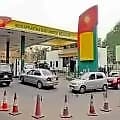
The CNG price hike announcement follows a sharp rise in wholesale inflation in April, with wholesale price inflation shooting up to a 42-month high of 8.3%. As reported by Business Standard, CNG prices were hiked by ₹2 per kg across major cities. In Mumbai, CNG now costs ₹84 per kg, while in Delhi, the price has been raised by ₹2 per kg to ₹79.09. The price increase follows a spike in energy prices due to disruptions caused by the West Asia war. Latest data shows CNG prices in Delhi are currently at ₹100.9 per kg as of May 15, 2026, with prices remaining stable over the past 30 days.
Despite CNG price increases, India's adoption of cleaner household energy continues to gain momentum. As reported by The Economic Times, India has added over 5 lakh new PNG (Piped Natural Gas) connections as adoption rises amid the Israel-Iran war. This surge in PNG connections suggests that households are increasingly prioritizing cleaner household energy sources during global crises, potentially offsetting some impact of higher CNG prices on transportation costs.
The price hike is significantly influenced by changes in APM (Administered Price Mechanism) gas supply, which accounts for around 60% of CGD companies' sales volume. According to Upstox, the government increased APM prices by 4% in 2025 for the first time in two years, making it $6.75 per MMBtu from $6.50 per MMBtu. Cities like Delhi face additional cost pressures due to state-level VAT on CNG, which increases consumer prices. The cost of transporting gas from terminals to filling stations also impacts final prices, with cities closer to production hubs facing lower transport costs.
Separately, oil marketing companies (OMCs) have hiked petrol and diesel prices by ₹3 per litre, marking the first revision in retail prices in four years. According to Business Standard, this price hike announcement follows a sharp rise in wholesale inflation in April, with the wholesale price inflation reaching a 42-month high of 8.3% on the back of a spike in energy prices. The energy price increases are attributed to disruptions caused by the West Asia war.