Indian cement companies are experiencing significant margin pressure as the West Asia conflict drives up fuel, freight and packaging costs. According to reports from Mint, a Mint analysis of the top five cement companies shows three reported a year-on-year decline in fourth-quarter profits (Q4FY26) as higher input costs weighed on earnings. The cost pressures stem from energy expenses, which account for more than a quarter of total costs for cement makers, rising as the West Asia conflict pushes up crude oil and related fuel prices. Additionally, disruption has affected polypropylene supply chains, a key raw material for cement packaging bags.
India's largest cement maker, UltraTech Cement, reported strong Q4FY26 performance despite escalating costs, with Earnings before interest, taxes, depreciation, and amortization (Ebitda) climbing 21% to ₹5,600.3 crore, surpassing analyst estimates of ₹5,277.2 crore. As reported by Mint, CFO Atul Daga highlighted the company's scale and procurement strategy, noting diversification of sources, identification of newer opportunities, and entering into long-term fuel contracts. Dalmia Bharat reported an 11% year-on-year decline in net income to ₹387 crore due to higher input, fuel and freight costs, with petcoke prices surging to around $160 per tonne since the West Asia conflict erupted. Nuvoco Vistas is reducing imported pet coke usage by increasing domestic coal sourcing and replacing imported mineral gypsum with flue gas desulphurisation gypsum.
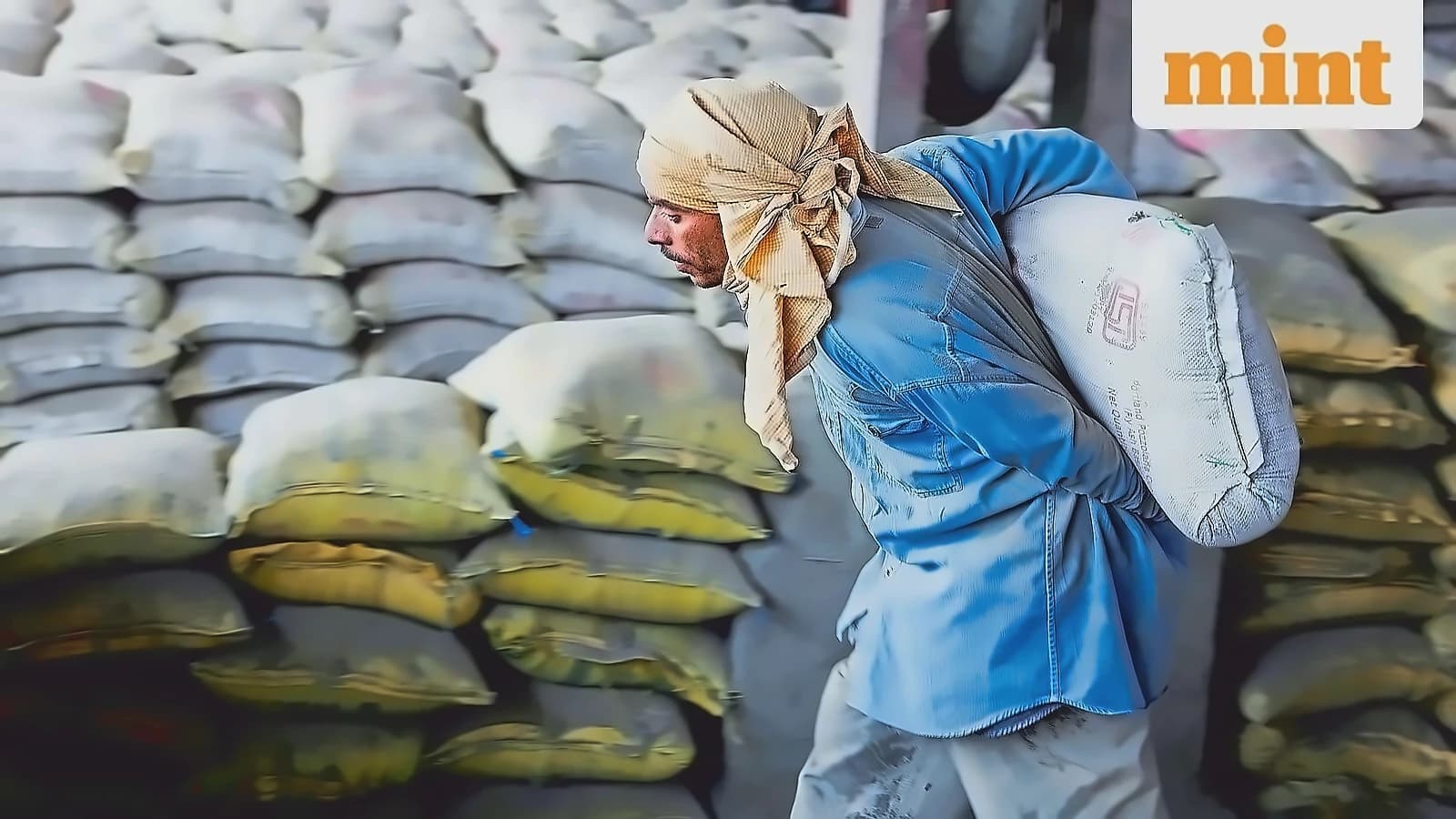
Cement companies have implemented price increases to offset rising costs, with cement price hikes of ₹15–20 per 50 kg bag, lifting all-India average prices by about 5% in April compared with March, according to a Motilal Oswal report dated 10 April. However, analysts warn these measures may be insufficient. As reported by Mint, Satyadeep Jain of Ambit Capital noted that fuel costs remain volatile and recent cement price hikes are "not sufficient to offset the rising costs." While companies expect June quarter margins to remain largely flat, Jain said this was "not necessarily a positive outcome," given it is typically the strongest period for cement demand and pricing.
The sector faces continued challenges as analysts warn that cost-control measures may be insufficient if demand weakens further. According to Mint reports, Jain warned that from Q2 (July-September), margins could face sharper pressure from higher input costs, weaker monsoon demand, lower volumes and rising fixed costs. Some companies are adapting their expansion strategies, with Ambuja Cements open to deferring its FY28 target of reaching 155 mtpa capacity to FY30 as it focuses on improving utilization levels at existing plants. Following Ambuja's comments, Shree Cement, India's third-largest cement maker by capacity, has also softened its expansion stance.