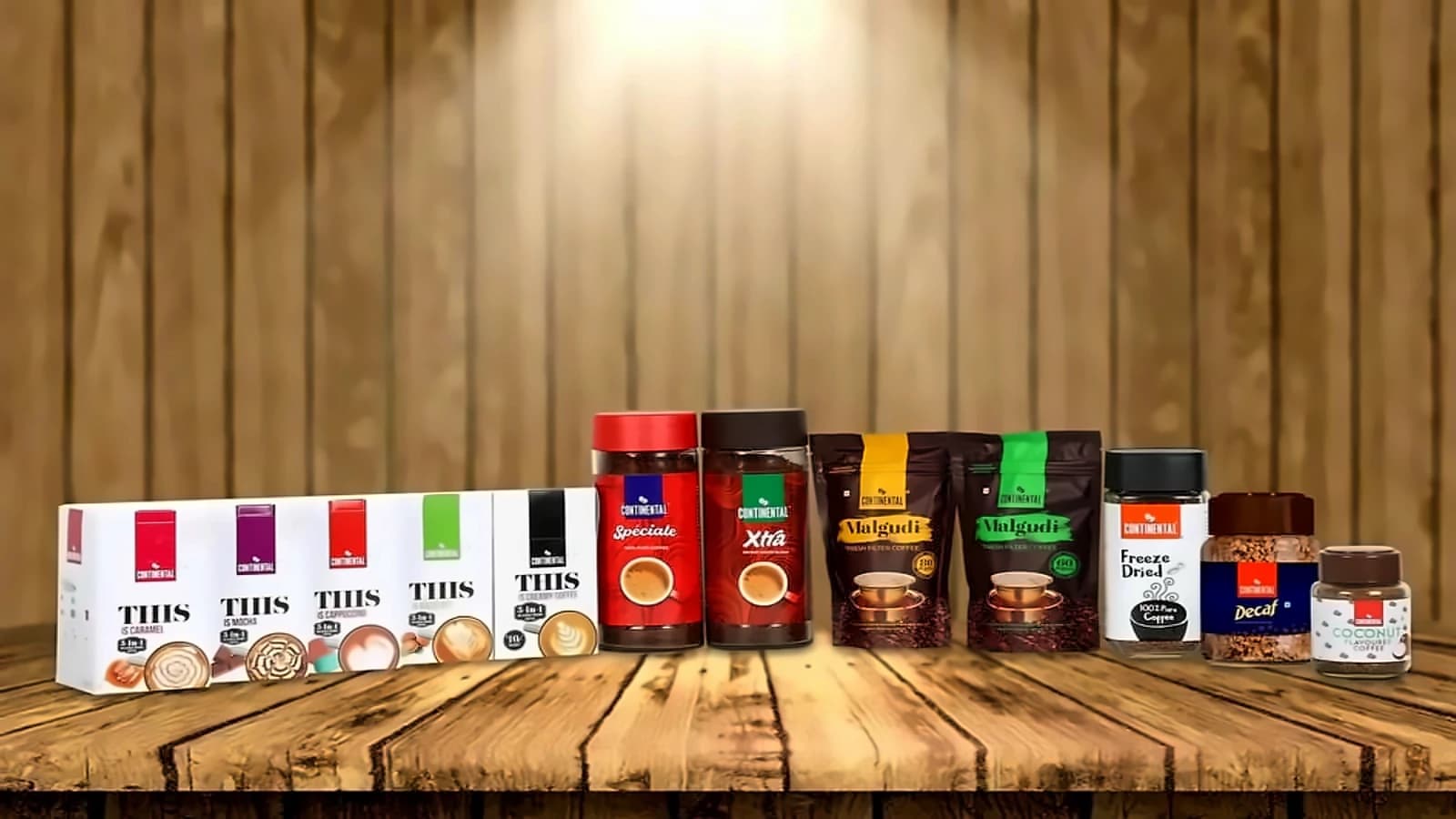
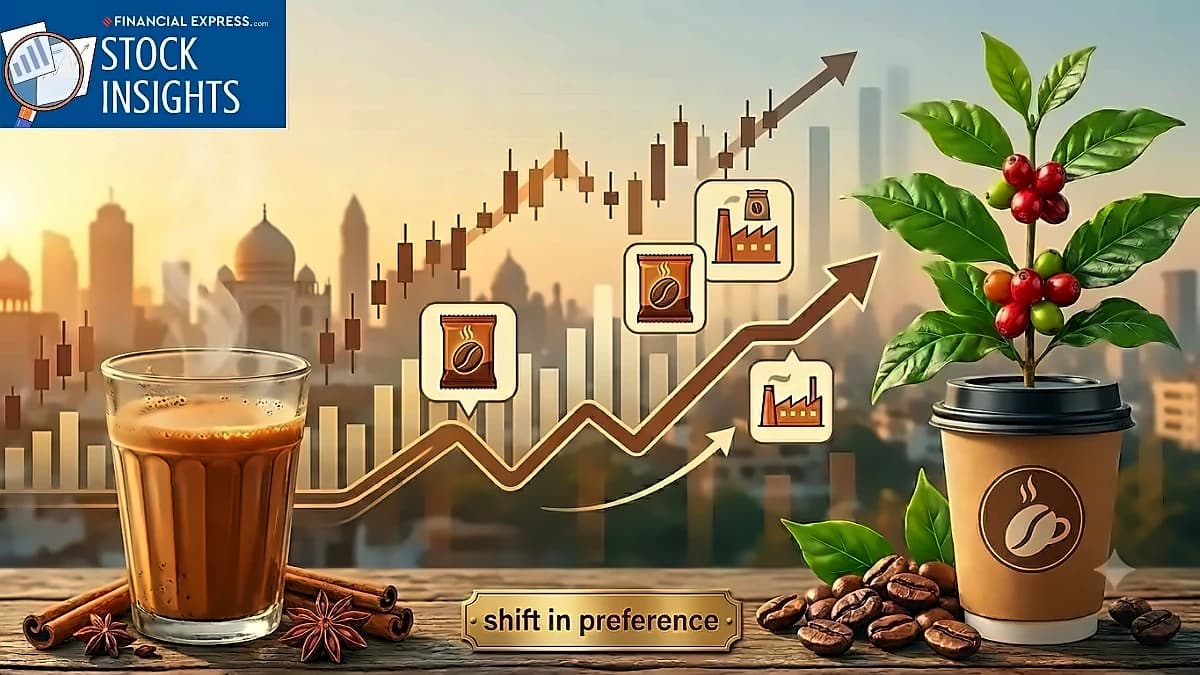
CCL Products has experienced a remarkable 45% stock surge over the past year, climbing from ₹850 to a peak of ₹1,236. According to reports from The Financial Express, this significant price appreciation reflects the market's recognition of the company's transformation from a private label coffee manufacturer to a diversified coffee business with strong domestic brand presence. The stock is currently trading at a P/E ratio of 39.8, representing a premium to its five-year median PE of 31.1, indicating the market's re-rating of the company's growth prospects. The market is no longer pricing CCL as a plain-vanilla export processor; it is beginning to assign FMCG-like multiples to a company that is visibly transitioning into a branded consumer business.
FY26 marked a pivotal year for CCL Products with sales growing 43% to ₹4,457 crores from ₹3,106 crores in FY25. As reported by The Financial Express, the company delivered volume growth of 18-20%, significantly outpacing the global instant coffee market's low single-digit growth rate. EBITDA increased 31.3% to ₹741 crores with margins improving to around ₹135-140 per kilogram compared to roughly ₹120 at the beginning of FY26. Net profit grew 25.1% to ₹388 crores, demonstrating the company's ability to convert higher volumes into improved profitability. The key driver was a higher share of freeze-dried coffee, a premium category that generates materially higher margins than traditional spray-dried coffee, alongside growing sales of small-pack formats and better utilisation of newly commissioned capacity.
CCL Products operates as one of the world's largest private label coffee manufacturers, exporting to 110+ countries with over 75% of revenue from international markets. According to The Financial Express, the company operates manufacturing facilities in Andhra Pradesh and Vietnam with a combined capacity of 77,000 tonnes per annum. The Vietnam plant became strategically important during FY26 when the US imposed different tariff rates, allowing CCL to divert American business through Vietnam's lower tariff burden. The company maintains a natural foreign exchange hedge through balanced raw material imports and product exports, reducing currency volatility risk. The company offers more than 1,000 coffee blends, ranging from spray-dried and freeze-dried coffee to roast-and-ground and liquid concentrates, creating a major competitive moat.
CCL's domestic brand Continental Coffee has achieved significant success, becoming the third-largest coffee brand in India and crossing 1.5 lakh retail outlets with 700+ distributors. As reported by The Financial Express, the branded retail sales reached ₹430-440 crores in FY26 with 40-50% year-on-year growth on a low base. Management has set an ambitious target to reach 3 lakh outlets over the next three financial years. The company generated free cash flow of over ₹780 crores in FY26 and has reduced gross debt from ₹2,000 crores peak to ₹1,280 crores as of March 2026. The branded business has reached a scale where it has moved from being a 'breakeven' operation to a profitable contributor, with branded FMCG carrying structurally higher gross margins than bulk B2B exports.
For FY27, CCL is guiding for 15% volume growth with 15% EBITDA growth, reflecting normalization from exceptional FY26 performance. According to The Financial Express, current capacity utilization stands at 65% with expectations to reach 80-85% by FY28. The company's PEG ratio of 3.6x compared to Tata Consumer's 5.6x suggests the market is paying less per unit of growth for CCL, indicating potential for further re-rating. The key challenge remains scaling Continental Coffee beyond South India's strong performance into deeper Indian markets where established players like Nestlé and Tata Consumer hold dominant positions. With the capex cycle largely behind it, a larger share of operating cash flows will now be used for debt repayment, dividends, and reinvestment in the branded business, leading to stronger earnings growth and higher valuation multiples.