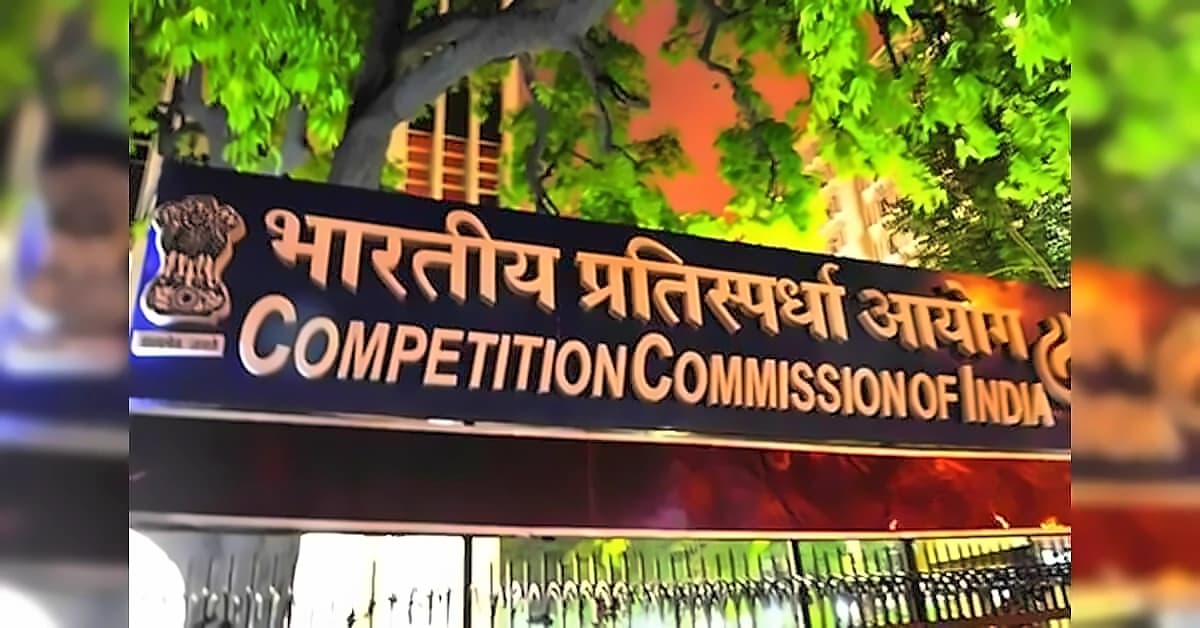
The Competition Commission of India (CCI) has closed its antitrust inquiry against Google over its policies for real-money gaming (RMG) apps, following a complaint filed by gaming firm WinZO Games. According to reports from Business Standard, the CCI's order dated September 8, 2026, stated that the ban on online money games has fundamentally changed the market that was at the centre of the investigation. The regulator said the legal environment surrounding online real-money gaming had changed substantially since the complaint was filed, with the new law prohibiting online money games without distinguishing between games of skill and games of chance. A coram of Chairperson Ravneet Kaur, Members Sweta Kakkad and Deepak Anurag held that the reliefs sought by WinZO could no longer be granted under the changed legal framework. In a 21-page order, the regulator cited the peculiar and unusual combination of facts and circumstances in the case, noting that continuing the present inquiry would neither restore market access nor improve consumer choice.
As reported by Business Standard, WinZO Games had raised concerns that Google was allowing only daily fantasy sports (DFS) and rummy apps under a pilot programme on the Play Store, while excluding other RMG apps. The company argued that such selective treatment could create a 'two-tier' market by giving some gaming developers better access and visibility while putting others at a competitive disadvantage. In November 2024, the CCI ordered a detailed investigation after forming a prima facie view that Google may have violated provisions of the Competition Act relating to abuse of dominance. The markets under investigation were the market for licensable operating systems for smart mobile devices in India, the market for app stores for Android smart mobile operating systems in India, and the market for online search advertising services in India. WinZO had also alleged that Google's advertising policy allowed only fantasy sports and rummy operators to advertise through Google Ads, while payment warnings were displayed when users attempted to make payments to its platform using Google Pay.
According to Business Standard, Google subsequently sought to address the concerns through a commitment application submitted to the CCI in February 2025, with the company later revising its proposal. Under its second revised offer, Google proposed allowing all legally permissible skill-based RMG applications on the Play Store, subject to certification and other requirements. However, the subsequent change in the law altered the circumstances in which those commitments had been proposed, as the legal framework had fundamentally changed before Google could implement its proposed solutions. The CCI noted that the commitments proposed by Google had become incapable of implementation because they were based on the assumption that real-money games could lawfully be distributed and advertised.
The Promotion and Regulation of Online Gaming Act, 2025, which received Presidential assent on August 22, 2025, and was brought into force from May 1, 2026, fundamentally altered the legal framework governing RMGs. The Act prohibits online money games and their distribution and advertising through Section 5, Section 6, and Section 7. These provisions apply without distinguishing between games of skill and games of chance where money or stakes are involved. The Commission held that there was consequently no longer a lawful RMG market on Google Play or Google Ads that could be opened to one category of developers while being denied to another. Google had closed the RMG Pilot Programme and ceased accepting RMG advertisements from January 2026, steps taken before the Online Gaming Act came into force.

As reported by Business Standard, the regulator has kept the door open to examining Google's conduct in the future. The CCI said that if the relevant provisions of the online gaming law are stayed, struck down, repealed or cease to operate, and Google engages in alleged anti-competitive conduct, the CCI could take cognisance of it afresh. The Commission also made clear that the closure was based on the facts and legal position prevailing on the date of the order and did not amount to any finding on the merits of Google's alleged conduct. The CCI reserved the right to take cognisance of any alleged anti-competitive conduct by Google if the relevant provisions of the Online Gaming Act are stayed, struck down, repealed or otherwise cease to operate. Google spokesperson on the CCI verdict said: 'We welcome the CCI's decision to conclude this matter. This order reflects our constructive engagement with the Commission throughout this process. We remain committed to building a safe and secure ecosystem.'